HeadPowder, a leading enterprise in the field of glass microsphere processing and conveying technology, specializes in providing advanced pneumatic conveying systems for glass microspheres. This article delves into the operation process and working principle of the glass microsphere pneumatic conveying system equipment, highlighting the technical aspects and operational efficiency of the system.
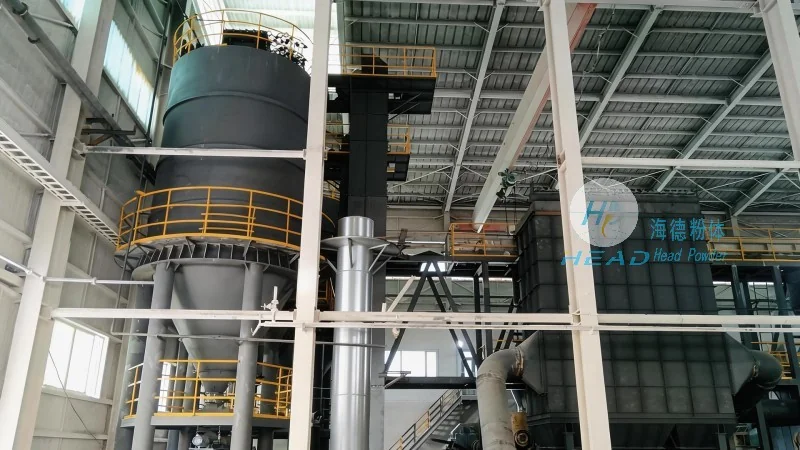
About HeadPowder Engineering Co., Ltd.
HeadPowder Engineering Co., Ltd. is a professional manufacturer and supplier based in Shandong, China. The company focuses on the research, development, and production of high-quality glass microsphere pneumatic conveying systems, catering to the needs of various industries such as construction, coatings, and plastics. With a strong commitment to innovation and precision, HeadPowder ensures that its equipment meets the highest standards of performance and reliability.
Overview of Glass Microsphere Pneumatic Conveying System
Glass microspheres are spherical particles with a diameter typically ranging from 20 to 200 micrometers, often used as lightweight fillers in construction materials, coatings, and other industrial applications. The pneumatic conveying system is a critical piece of equipment designed to transport these microspheres efficiently and safely from storage silos or production lines to processing units. The system operates by using compressed air to move the material through a network of pipes, ensuring minimal product degradation and optimal flow control.
System Components and Their Functions
The glass microsphere pneumatic conveying system typically consists of several key components, each playing a vital role in the overall operation. These components include:
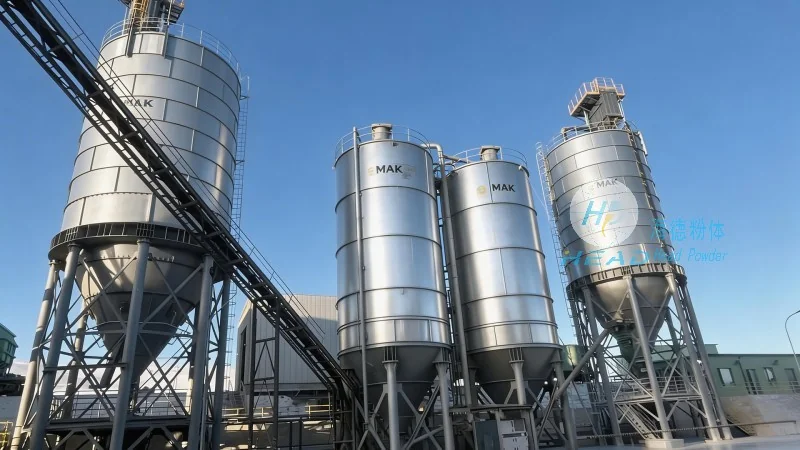
1. Storage Silo: A large container where raw glass microspheres are stored before being conveyed. The silo is equipped with a hopper and a discharge valve to control the flow of material.
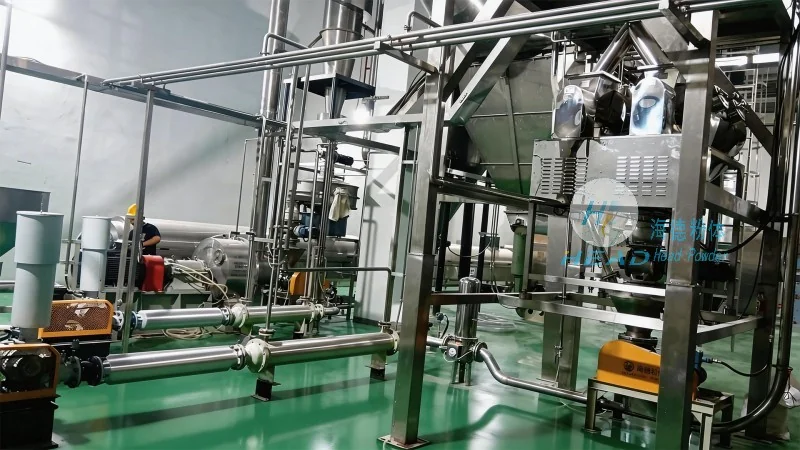
2. Pneumatic Conveying Unit: This is the core of the system, responsible for generating and controlling the airflow. It includes a blower or compressor that supplies compressed air at a specific pressure and flow rate.
3. Conveying Pipe Network: A series of pipes that transport the glass microspheres from the storage silo to the destination point. The pipes are designed with appropriate diameters and angles to minimize friction and ensure smooth material flow.
4. Control System: An automated system that monitors and regulates the operation of the conveying process. It includes sensors for pressure, flow, and level, as well as control panels for adjusting the system parameters.
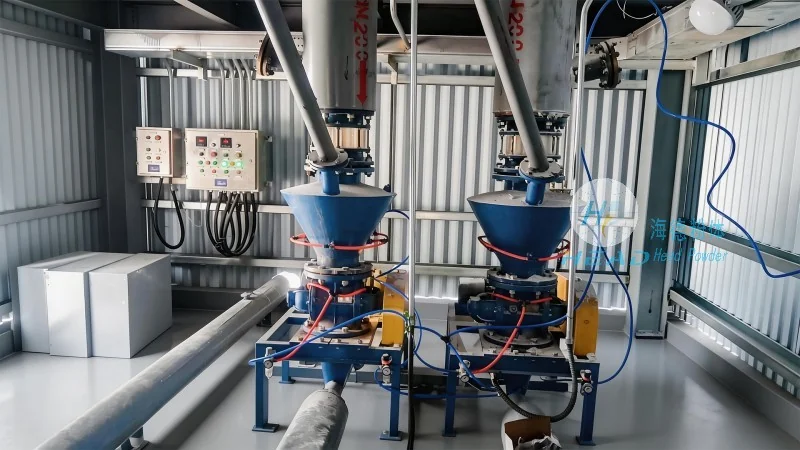
5. Receiving Hopper or Processing Unit: The final component where the glass microspheres are deposited or further processed. This unit is equipped with a discharge valve or a connection to the next production step.
Operation Process of the Glass Microsphere Pneumatic Conveying System
The operation of the glass microsphere pneumatic conveying system follows a systematic process to ensure efficient and continuous material transport. The steps are as follows:
1. Material Preparation: The glass microspheres are loaded into the storage silo. The silo is then sealed to prevent contamination and maintain the material's quality.
2. Compressed Air Activation: The pneumatic conveying unit is activated, and compressed air is supplied to the system. The pressure is adjusted to the optimal level based on the material characteristics and pipe length.
3. Material Conveying: The discharge valve of the storage silo opens, allowing the glass microspheres to be drawn into the conveying pipe by the airflow. The material is carried through the pipe network under the pressure of the compressed air.
4. Flow Control: The control system monitors the pressure and flow rate in the pipes. Adjustments are made as needed to maintain a consistent flow and prevent blockages or excessive pressure.
5. Material Deposition: The glass microspheres are deposited into the receiving hopper or processing unit. The receiving unit may include a filter or separator to remove any air bubbles or impurities.
6. System Shutdown: After the conveying process is complete, the compressed air is turned off, and the system is cleaned or prepared for the next batch of material.
Working Principle of the Glass Microsphere Pneumatic Conveying System
The working principle of the glass microsphere pneumatic conveying system is based on the principles of fluid dynamics and particle transport. The system utilizes the kinetic energy of compressed air to move the solid particles through the conveying pipes. The key principles involved are:
1. Drag Force: The compressed air exerts a drag force on the glass microspheres, lifting them off the pipe wall and carrying them forward. The force is proportional to the air velocity and the particle size.
2. Pressure Drop: As the air flows through the pipe, it experiences a pressure drop due to friction with the pipe walls and the particles. The pressure drop is managed by the control system to maintain a stable flow.
3. Particle Velocity: The velocity of the glass microspheres is determined by the air velocity and the particle size. Larger particles require higher air velocities to be conveyed effectively.
4. System Efficiency: The efficiency of the pneumatic conveying system is influenced by factors such as pipe diameter, length, inclination, and the type of air flow (e.g., dilute phase or dense phase). Proper design and operation ensure minimal energy consumption and maximum material throughput.
Advantages of the Glass Microsphere Pneumatic Conveying System
The glass microsphere pneumatic conveying system offers several advantages over traditional conveying methods, such as belt conveyors or bucket elevators. These advantages include:
1. Low Maintenance: The system has fewer moving parts, reducing the need for frequent maintenance and increasing operational uptime.
2. Minimal Product Damage: The smooth and enclosed pipe system minimizes friction and impact, preventing the glass microspheres from breaking or degrading.
3. Flexibility in Layout: The system can be easily adapted to different plant layouts, with pipes installed in various orientations to accommodate space constraints.
4. Hygienic and Clean Operation: The enclosed system prevents dust and contamination, making it suitable for applications where product purity is critical.
5. Energy Efficiency: Modern pneumatic conveying systems are designed to be energy-efficient, with adjustable air pressure and flow rates to optimize performance.
Conclusion
HeadPowder Engineering Co., Ltd. provides advanced glass microsphere pneumatic conveying systems that combine efficiency, reliability, and precision. By understanding the operation process and working principle of the equipment, users can optimize their material handling processes and improve overall productivity. The company's commitment to quality and innovation ensures that its systems meet the evolving needs of the industry, delivering long-term value and performance.




