Shandong HeadPowder Engineering Co., Ltd., commonly known as HeadPowder, specializes in the design, manufacturing, and supply of advanced pneumatic conveying systems tailored for battery positive electrode materials. With a focus on precision and efficiency, our equipment is engineered to meet the stringent requirements of modern battery production lines, ensuring reliable material handling from raw material processing to final assembly stages.
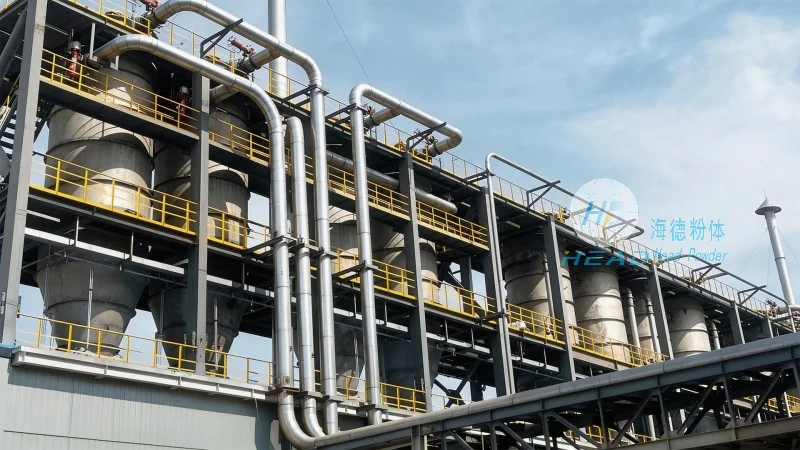
Overview of Pneumatic Conveying Systems for Battery Positive Electrode Materials
Our pneumatic conveying systems are specifically designed to handle the delicate and high-value battery positive electrode materials, such as lithium cobalt oxide, lithium iron phosphate, and other cathode active materials. The systems are built to maintain material integrity, minimize contamination, and optimize throughput, which are critical factors in the battery manufacturing process. By integrating advanced control technologies and robust construction, these systems provide a cost-effective and environmentally friendly solution for material transport in battery production facilities.
Key Components and Their Functions
The pneumatic conveying system for battery positive electrode materials typically consists of several key components, each playing a vital role in the overall operation. These include the material feed hopper, which stores and feeds the electrode powders; the air compressor or blower, which generates the necessary air pressure to move the material; the conveying pipeline, which transports the material from the feed point to the discharge point; and the control system, which monitors and regulates the flow of material and air. Additionally, features like dust collection systems and material recovery units are integrated to enhance safety and efficiency.
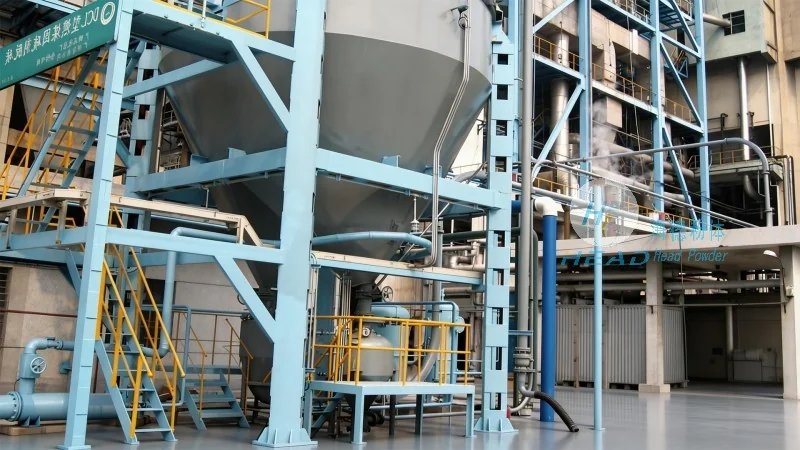
Operation Process of the Pneumatic Conveying System
The operation process of our pneumatic conveying system for battery positive electrode materials begins with the loading of the electrode powders into the feed hopper. The control system then activates the air compressor, which generates a high-pressure air stream. As the air flows through the conveying pipeline, it entrains the powder particles, forming a dense phase flow that is efficiently transported to the discharge point. The system maintains a consistent flow rate by adjusting the air pressure and feed rate, ensuring smooth and continuous material transfer. At the discharge end, the material is deposited into the next processing equipment, such as mixers or extruders, completing the transport cycle.
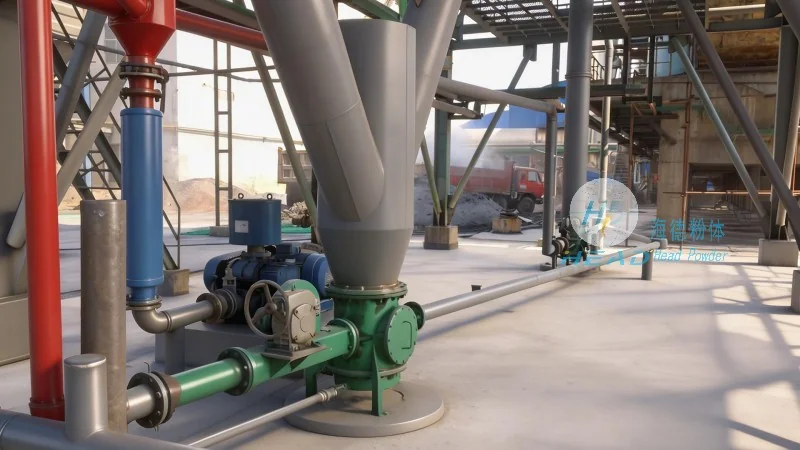
Working Principle of the Pneumatic Conveying System
The working principle of the pneumatic conveying system relies on the principles of fluid dynamics and particle transport. When air is introduced into the conveying pipeline at a sufficient velocity, it creates a pressure differential that propels the powder particles forward. The system operates in either dense phase or dilute phase mode, depending on the material characteristics and application requirements. In dense phase conveying, the air velocity is lower, allowing for a higher concentration of powder in the air stream, which reduces particle degradation and improves material handling efficiency. In dilute phase conveying, the air velocity is higher, suitable for longer distances or lighter materials. The control system continuously monitors parameters like pressure, flow rate, and material level to maintain optimal operation and prevent system failures.
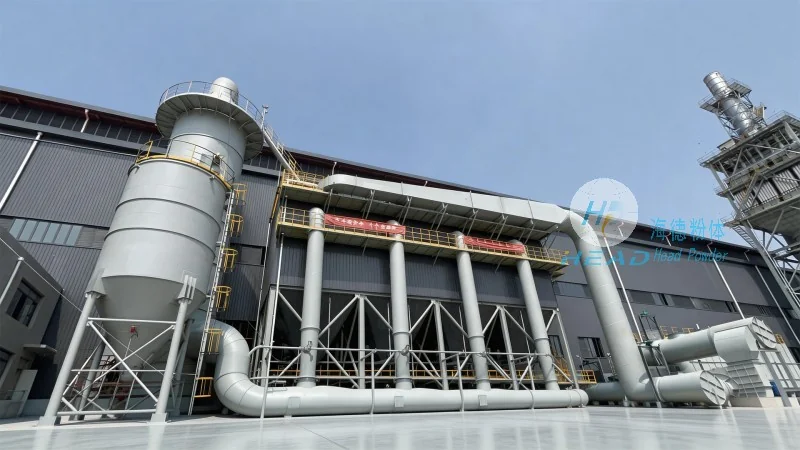
Advantages of Using Pneumatic Conveying Systems for Battery Positive Electrode Materials
Implementing a pneumatic conveying system for battery positive electrode materials offers several advantages over traditional mechanical conveying methods. Firstly, it eliminates the need for mechanical components like conveyors or elevators, reducing maintenance costs and minimizing the risk of material contamination. Secondly, the system provides a closed-loop operation, which enhances safety by preventing dust emissions and improving environmental compliance. Thirdly, the precise control of flow rates and pressure allows for better process consistency, leading to higher product quality and reduced waste. Lastly, the flexibility of the system enables easy integration with existing production lines and future expansion, making it a long-term investment for battery manufacturers.
Application in Battery Manufacturing Facilities
Our pneumatic conveying systems are widely used in various stages of battery production, from raw material handling to electrode preparation. In the raw material processing stage, the system transports the cathode active materials from storage silos to mixing equipment. During the electrode manufacturing stage, it conveys the mixed powders to the coating or slurry preparation units. The system's ability to handle fine powders with minimal degradation ensures that the electrode quality remains consistent, which is crucial for the performance and lifespan of the final battery products. By optimizing material transport, our systems contribute to overall production efficiency and cost reduction in battery manufacturing facilities.




