For industrial applications involving the transport of boron powder, a pneumatic conveying line offers an efficient and reliable solution. This system is designed to move bulk materials like boron powder from one location to another using air as the conveying medium. The operation process and working principle of such a line are critical to understanding its effectiveness and suitability for various industrial needs. This article provides a detailed overview of how a boron powder material pneumatic conveying line functions, covering key components, operational steps, and the underlying principles that ensure smooth and efficient material transport.
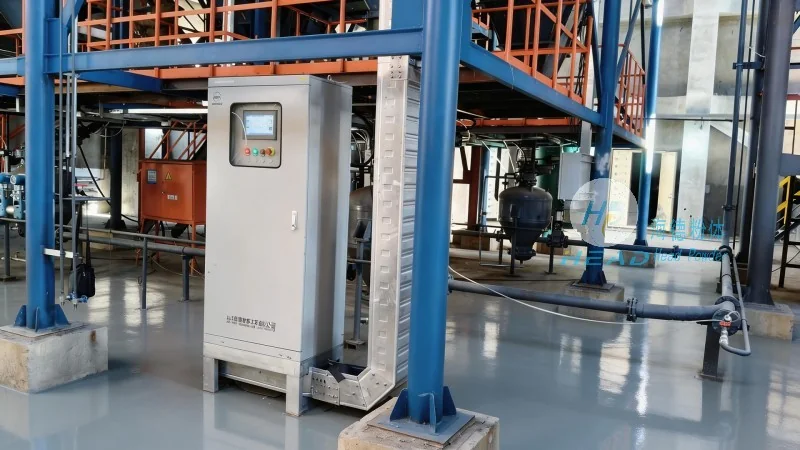
Key Components of a Boron Powder Pneumatic Conveying System
The efficiency of a boron powder pneumatic conveying line depends on several key components that work in tandem. These components include the material hopper, which stores the boron powder; a rotary airlock or feeder to control the flow of material into the system; a conveying pipeline that transports the material; a venturi or eductor that creates the necessary air flow; and a receiver or discharge hopper where the material is deposited. Each component plays a vital role in the overall operation, ensuring that the material is conveyed without clogging or loss. The material hopper is typically designed to accommodate the bulk quantity of boron powder, with a discharge mechanism that allows controlled feeding. The rotary airlock, often called a star valve, regulates the flow of powder into the pipeline, preventing backflow and maintaining consistent material feed. The conveying pipeline is usually made of materials resistant to boron powder, such as stainless steel or special polymers, to avoid corrosion or material degradation. The venturi or eductor is the heart of the system, using the pressure drop created by the air flow to draw the powder into the pipeline. The receiver at the end of the line collects the conveyed boron powder, ensuring that it is safely stored and ready for further processing.
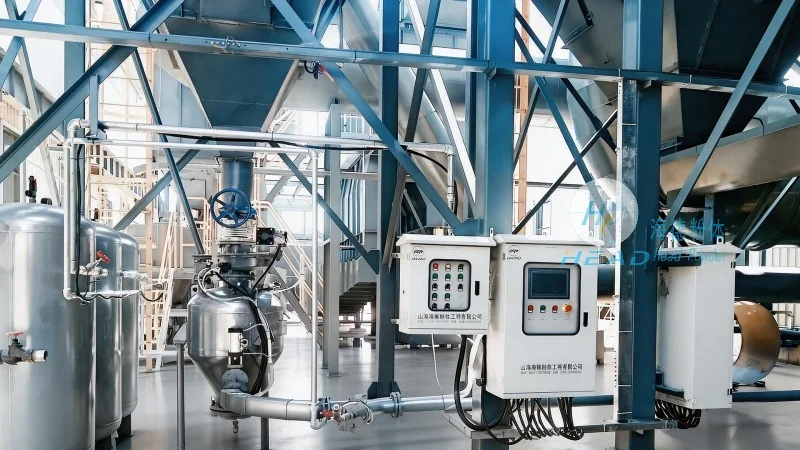
Step-by-Step Operation Process of the Pneumatic Conveying Line
The operation of a boron powder pneumatic conveying line follows a systematic process that ensures optimal performance. The process begins with the loading of boron powder into the material hopper. The powder is then fed into the conveying pipeline through the rotary airlock, which controls the flow rate. Simultaneously, the venturi or eductor generates a high-velocity air stream, creating a negative pressure that draws the powder particles into the pipeline. As the powder and air mixture travels through the pipeline, it moves towards the receiver. The air flow continues until the material is fully discharged into the receiver. The system then returns to the initial state, ready for the next cycle. The entire process is automated, with sensors and controls monitoring the flow rate, pressure, and material level to maintain consistent operation. This step-by-step approach ensures that the boron powder is transported efficiently and without interruption, minimizing downtime and maximizing productivity. The control system adjusts the air flow and material feed based on real-time data, ensuring that the conveying line operates at its optimal capacity.
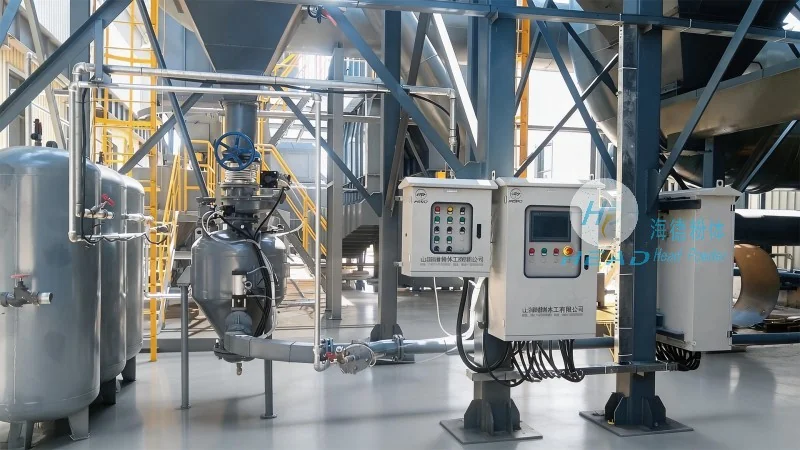
Working Principle: How the Pneumatic Conveying Line Transports Boron Powder
The working principle of a boron powder pneumatic conveying line is based on the fundamental physics of fluid dynamics and particle transport. The system operates by creating a pressure differential between the material hopper and the receiver. The venturi or eductor generates a high-velocity air stream, which reduces the pressure in the pipeline. This pressure drop creates a suction effect, drawing the boron powder particles into the air stream. The powder particles are then carried along with the air flow through the pipeline to the receiver. The air flow continues to maintain the material in suspension, preventing clogging and ensuring smooth transport. The key to the system's efficiency is the balance between the air velocity and the particle size and density of the boron powder. If the air velocity is too low, the powder may settle and cause blockages. If it is too high, excessive energy is consumed and the system may become inefficient. The design of the conveying line takes into account the specific properties of boron powder, such as its particle size distribution, moisture content, and flowability, to optimize the air velocity and pipeline dimensions. This ensures that the material is conveyed at the desired rate with minimal energy consumption and maximum reliability.
Benefits and Applications of Boron Powder Pneumatic Conveying Lines
Boron powder pneumatic conveying lines offer several benefits that make them ideal for industrial applications. These include high efficiency in material transport, reduced labor costs due to automated operation, and minimal material loss during transport. The system is also suitable for handling materials that are difficult to transport using traditional methods, such as those with high moisture content or abrasive properties. Boron powder, being a fine powder, is often challenging to handle using conventional methods like bucket elevators or belt conveyors. The pneumatic conveying line provides a solution by using air to transport the material, which is less likely to cause clogging or material degradation. The system is also flexible, allowing for changes in the conveying distance or material flow rate without significant modifications. This makes it suitable for various industrial settings, including chemical plants, pharmaceutical manufacturing, and food processing facilities. The use of boron powder in these industries is often critical, and the efficient transport of this material is essential for maintaining production schedules and product quality. The pneumatic conveying line ensures that boron powder is transported safely and efficiently, meeting the demands of modern industrial processes.
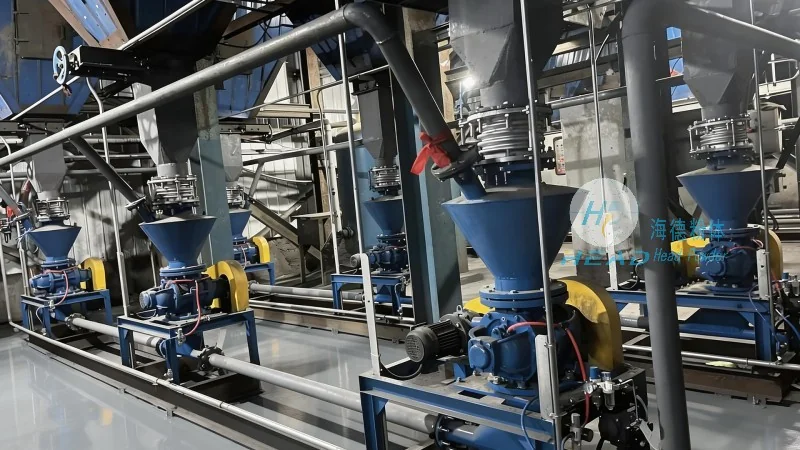
Conclusion: The Importance of Understanding the Operation and Working Principle
In conclusion, the operation process and working principle of a boron powder material pneumatic conveying line are crucial for its effective use in industrial applications. Understanding the key components, step-by-step operation, and underlying physics helps in optimizing the system for maximum efficiency and reliability. The system, developed by companies like Shandong HeadPowder Engineering Co., Ltd., based in China, offers a robust solution for transporting boron powder and other fine materials. By adhering to the principles outlined in this article, industrial facilities can ensure that their material transport processes are efficient, cost-effective, and safe. The continuous improvement and adaptation of pneumatic conveying systems, as seen in the work of companies like headpowder, contribute to the advancement of industrial material handling technologies, making them more reliable and sustainable for future applications.




