For industries dealing with artificial graphite materials, the efficient and reliable transport of these materials is crucial. Pneumatic conveying equipment, specifically designed for artificial graphite, plays a vital role in ensuring smooth material handling processes. This article delves into the operation process and working principle of such equipment, highlighting the technical aspects and operational efficiency that make it indispensable in modern material handling systems.
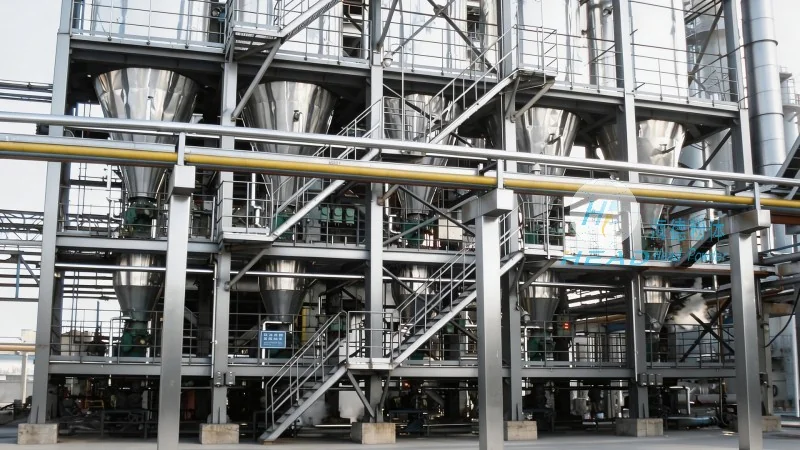
Introduction to Pneumatic Conveying Equipment for Artificial Graphite
Shandong HeadPowder Engineering Co., Ltd., a leading manufacturer based in China, specializes in the design and production of advanced pneumatic conveying systems tailored for artificial graphite applications. The company’s expertise lies in developing equipment that meets the stringent requirements of the graphite industry, ensuring high performance, durability, and safety. With a focus on innovation and customer-centric solutions, HeadPowder has established itself as a trusted partner for businesses seeking efficient material transport solutions.
Key Components and Their Roles
The pneumatic conveying equipment for artificial graphite typically consists of several core components, each playing a critical role in the overall operation. These components include the hopper, feeder, air compressor, pipeline system, and control unit. The hopper is responsible for storing the artificial graphite material, while the feeder ensures a consistent and controlled flow of the material into the conveying system. The air compressor generates the necessary air pressure to move the material through the pipeline. The pipeline system, often made of high-quality materials resistant to abrasion and corrosion, transports the material from the source to the destination. The control unit monitors and regulates the entire process, ensuring optimal performance and safety.
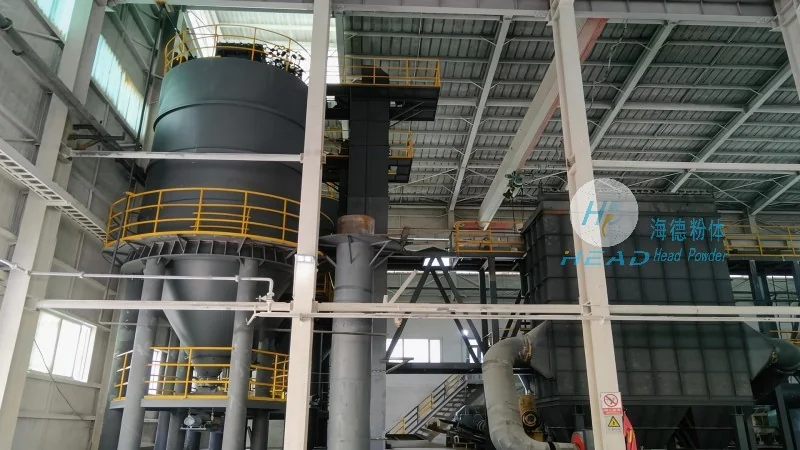
Operation Process of the Pneumatic Conveying System
The operation process of the pneumatic conveying equipment for artificial graphite begins with the loading of the material into the hopper. Once the hopper is filled, the feeder starts to discharge the material at a controlled rate. Simultaneously, the air compressor activates, generating a high-pressure air stream. This air stream, combined with the material from the feeder, creates a mixture that is then propelled through the pipeline. The material is carried by the air flow, moving from the source to the destination. At the receiving end, the material is separated from the air, typically through a cyclone separator or a filter, and collected in a designated container. The air, now free of material particles, is either vented or recycled back into the system, depending on the design of the equipment.
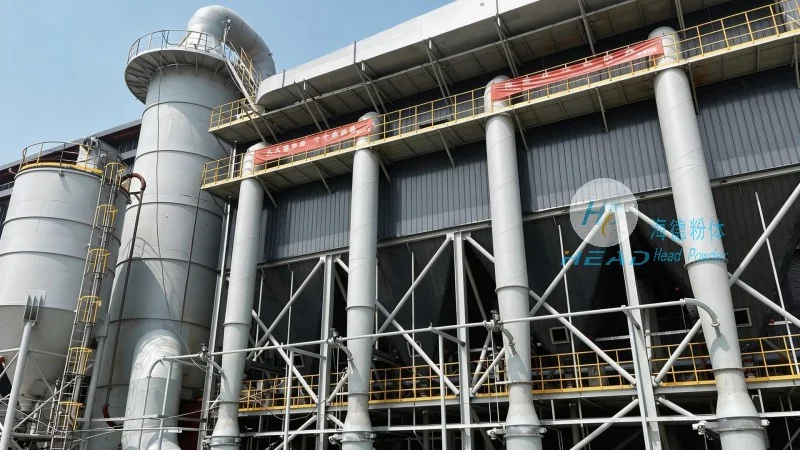
Working Principle: The Science Behind the Process
The working principle of the pneumatic conveying system relies on the fundamental physics of fluid dynamics and particle transport. The system operates on the principle of creating a pressure differential between the inlet and outlet of the pipeline. The air compressor creates a high-pressure zone at the inlet, while the outlet is at a lower pressure (often atmospheric). This pressure difference generates a flow of air that carries the artificial graphite particles through the pipeline. The velocity of the air is critical; it must be sufficient to overcome the gravitational force acting on the particles and any frictional losses in the pipeline. The design of the equipment, including the size of the pipeline, the air flow rate, and the material feed rate, is carefully optimized to achieve the desired conveying efficiency and minimize energy consumption.
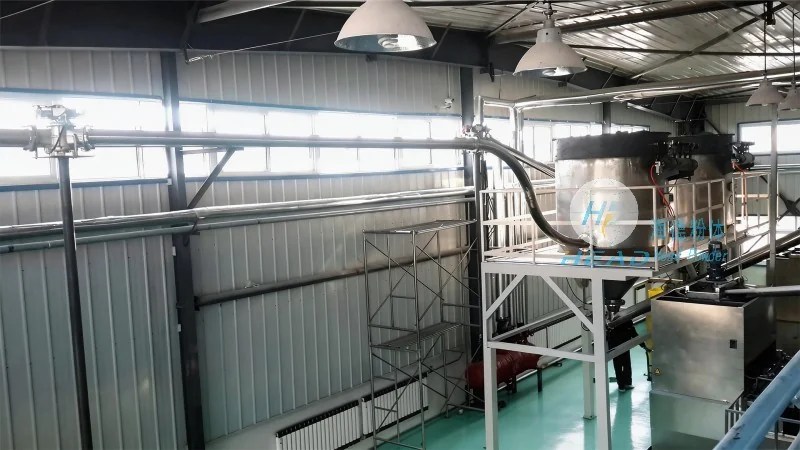
Advantages and Applications
Using pneumatic conveying equipment for artificial graphite offers several advantages over traditional methods like belt conveyors or bucket elevators. These advantages include higher efficiency in material transport, reduced risk of contamination, and lower maintenance costs. The equipment is particularly suitable for applications where the material is sensitive to moisture or requires a dust-free environment. Industries such as battery manufacturing, refractory production, and graphite processing widely utilize these systems to handle artificial graphite powders and granules. The flexibility of the system allows for easy integration into existing production lines, making it a versatile solution for various material handling needs.
Conclusion and Company Commitment
Shandong HeadPowder Engineering Co., Ltd. continues to innovate in the field of pneumatic conveying technology, providing high-quality equipment that meets the evolving demands of the artificial graphite industry. By understanding the operation process and working principle of these systems, users can make informed decisions about their material handling strategies. The company’s commitment to quality, reliability, and customer satisfaction ensures that its products remain at the forefront of the industry, delivering superior performance and long-term value to its clients.




