Barium sulfate, a widely used industrial material, often requires efficient and reliable transportation methods to ensure smooth production processes. Pneumatic conveying systems have emerged as a preferred solution for handling barium sulfate due to their ability to transport powders over long distances with minimal environmental impact. This article explores the classification and key components of barium sulfate pneumatic conveying systems, providing insights into their design, functionality, and practical applications.
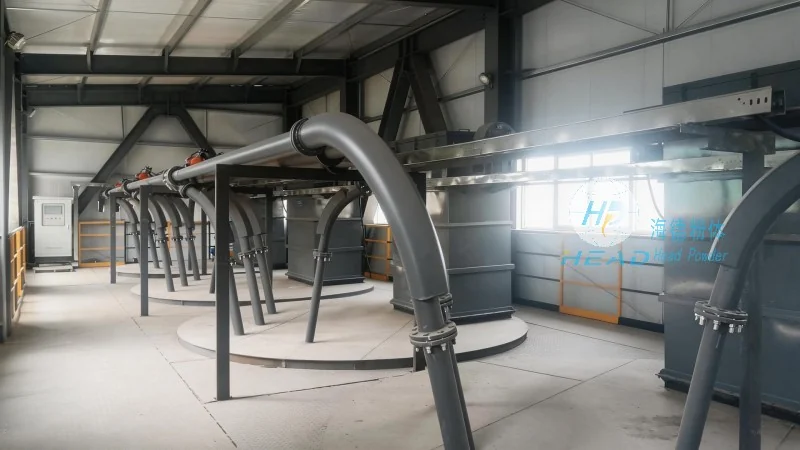
Introduction to Barium Sulfate Pneumatic Conveying Systems
Barium sulfate, also known as heavy spar or barytes, is a white crystalline solid with a high density and low solubility in water. It is commonly used in various industries, including paint, plastics, rubber, and pharmaceuticals, as a filler, pigment, or weighting agent. The efficient transport of barium sulfate is crucial for maintaining production efficiency and reducing material loss. Pneumatic conveying systems offer a non-contact method of transporting powders, which minimizes contamination and wear compared to mechanical systems. These systems utilize air or other gases to move the material through a pipeline, making them suitable for handling fine powders like barium sulfate.
Classification of Barium Sulfate Pneumatic Conveying Systems
Barium sulfate pneumatic conveying systems can be classified based on several factors, including the conveying principle, pressure level, and application requirements. The primary classification is between positive pressure and negative pressure systems.
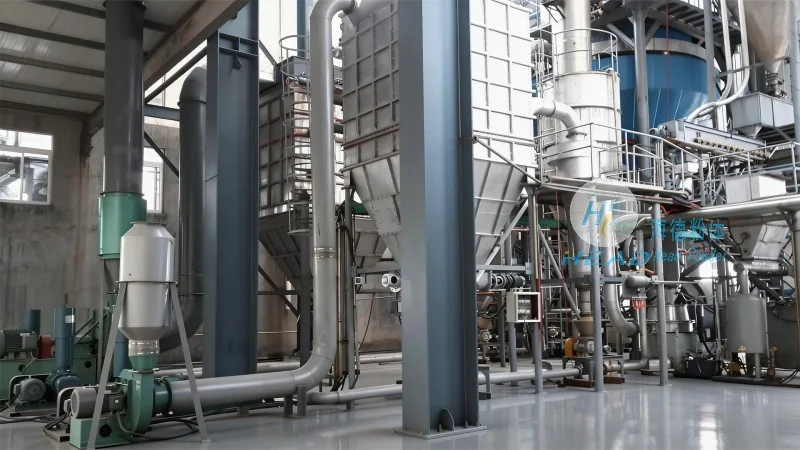
Positive pressure systems, also known as pressure conveying systems, operate by blowing air or gas into the conveying line, pushing the material forward. These systems are suitable for short to medium distances and can handle a wide range of particle sizes. They are commonly used in applications where the material needs to be transported from a central source to multiple destinations. The main components of a positive pressure system include a blower, material feeder, conveying line, and dust collector.
Negative pressure systems, or vacuum conveying systems, operate by creating a vacuum in the conveying line, drawing the material into the system. These systems are ideal for long-distance transport and are often used when the material needs to be collected from multiple points and transported to a central location. Negative pressure systems are more energy-efficient for long distances but may require more maintenance due to the higher vacuum levels. The key components of a negative pressure system include a vacuum pump, material hopper, conveying line, and filter.
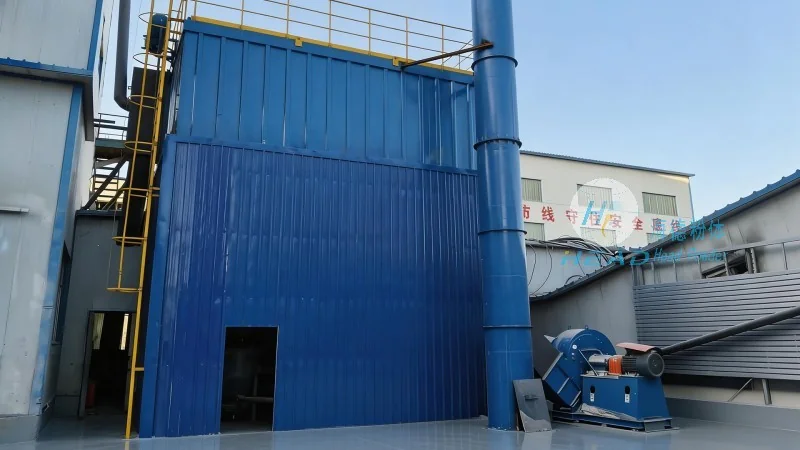
Another classification is based on the type of conveying medium. Air-assisted systems use compressed air to transport the material, while air-lift systems utilize the buoyancy of air to move the material. Air-assisted systems are more common for barium sulfate due to their simplicity and effectiveness. They can be further divided into dilute phase and dense phase systems.
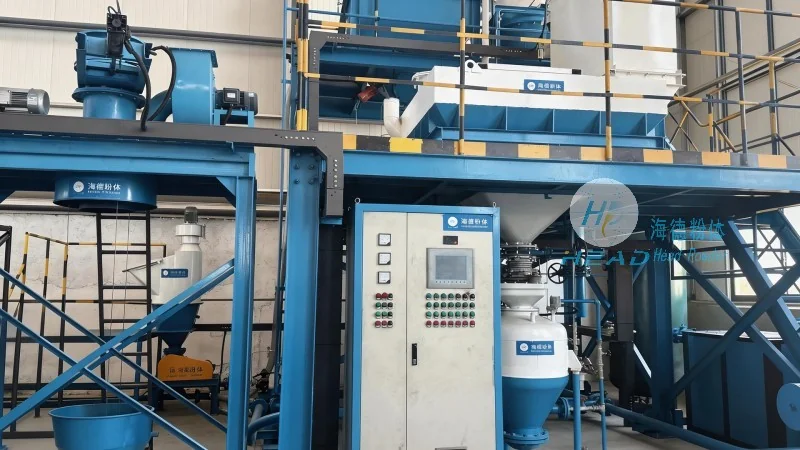
Dilute phase systems operate at low material concentrations, typically 1-5% by volume, and are suitable for short to medium distances. These systems use high-velocity air to move the material, resulting in a high conveying velocity. Dilute phase systems are efficient for transporting fine powders but may require larger ducts and higher air volumes. Dense phase systems, on the other hand, operate at higher material concentrations, typically 10-20% by volume, and use lower air velocities. These systems are more energy-efficient and can handle larger particles, making them suitable for long-distance transport of barium sulfate.
Key Components of Barium Sulfate Pneumatic Conveying Systems
The effectiveness of a barium sulfate pneumatic conveying system depends on the proper integration of several key components. Each component plays a critical role in ensuring the system operates efficiently and safely.




