HeadPowder, a leading manufacturer based in Shandong, China, specializes in the design and production of advanced pneumatic conveying systems. These systems are engineered to efficiently transport bulk materials over long distances with minimal maintenance and operational costs. The following sections detail the operation process and working principles of such equipment, highlighting key components and their functions.
Key Components of Pneumatic Conveying Systems
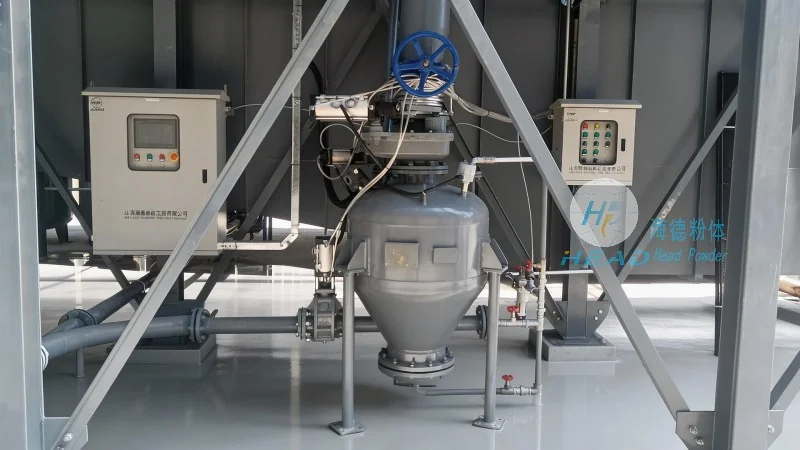
The core components of an automatic bulk material pneumatic conveying system include the hopper, rotary valve, air compressor, conveying line, and receiver. The hopper serves as the material storage and feeding unit, ensuring a consistent flow of bulk material. The rotary valve acts as a control device, regulating the material discharge from the hopper into the conveying line. The air compressor generates the necessary air pressure to move the material through the system. The conveying line, typically made of stainless steel or other corrosion-resistant materials, transports the material from the hopper to the receiver. The receiver collects the material and may include a dust collection system to maintain air quality.
Operation Process of Automatic Pneumatic Conveying
The operation process of an automatic bulk material pneumatic conveying system begins with material loading into the hopper. Once the hopper is filled, the rotary valve opens to allow material to enter the conveying line. Simultaneously, the air compressor starts, generating compressed air that flows through the conveying line. The compressed air creates a negative pressure or positive pressure environment, depending on the system design, to pull or push the material along the line. As the material travels through the conveying line, it is mixed with the air, forming a slurry-like mixture. The mixture reaches the receiver, where the air is separated from the material. The material is then discharged from the receiver, while the air is either recirculated or vented to the atmosphere. The system operates continuously, with the rotary valve and air compressor working in sync to maintain a steady flow of material.
Working Principle of Pneumatic Conveying
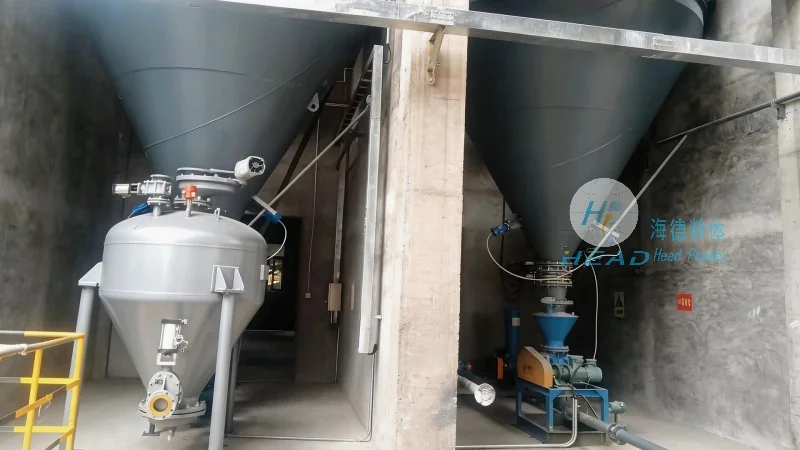
The working principle of a pneumatic conveying system relies on the movement of air to transport bulk materials. There are two main types of pneumatic conveying: negative pressure (or suction) and positive pressure (or pressure) systems. In a negative pressure system, the air compressor creates a vacuum in the conveying line, pulling material from the hopper. This method is suitable for transporting materials over short to medium distances and is commonly used in applications where dust control is critical. In a positive pressure system, the air compressor pushes compressed air into the conveying line, pushing the material forward. This method is ideal for long-distance transportation and handling abrasive or corrosive materials. The choice between negative and positive pressure systems depends on the specific application requirements, including material properties, distance, and environmental considerations.
Advantages of Automatic Pneumatic Conveying Systems
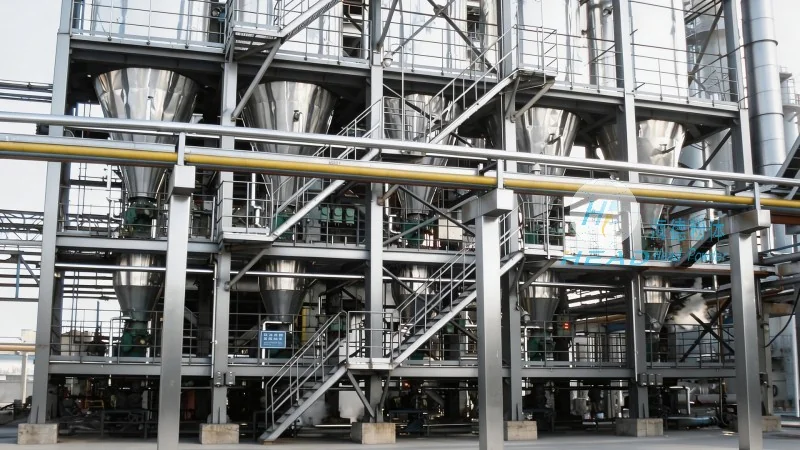
Automatic bulk material pneumatic conveying systems offer several advantages over traditional mechanical conveying methods. These include reduced labor costs, as the system operates with minimal human intervention. The enclosed design of the system minimizes dust exposure and improves workplace safety. Additionally, the system can handle a wide range of material types, from fine powders to large granules, with consistent performance. The compact design of the equipment saves space in industrial facilities, making it suitable for both new and existing installations. The low maintenance requirements of the system result in lower operational costs over time, contributing to its overall efficiency and cost-effectiveness.
Applications and Industries
Automatic pneumatic conveying systems are widely used in various industries, including food and beverage, pharmaceuticals, chemicals, and mining. In the food industry, these systems are used to transport ingredients such as flour, sugar, and spices, ensuring hygienic and dust-free handling. In the pharmaceutical industry, the systems are employed to convey active pharmaceutical ingredients (APIs) and excipients, maintaining strict contamination control. The chemical industry utilizes pneumatic conveying for handling corrosive and hazardous materials, while the mining industry uses it to transport raw materials from mines to processing facilities. The versatility of the system makes it suitable for a wide range of applications, meeting the specific needs of different industries.




