HeadPowder, a leading provider in the field of powder handling technology, specializes in the design and implementation of pneumatic conveying systems for powdered explosives. This article explores the fundamental principles behind powdered explosive pneumatic conveying and highlights the key characteristics of its working scenarios, offering insights into how these systems efficiently transport sensitive materials while ensuring safety and operational reliability.
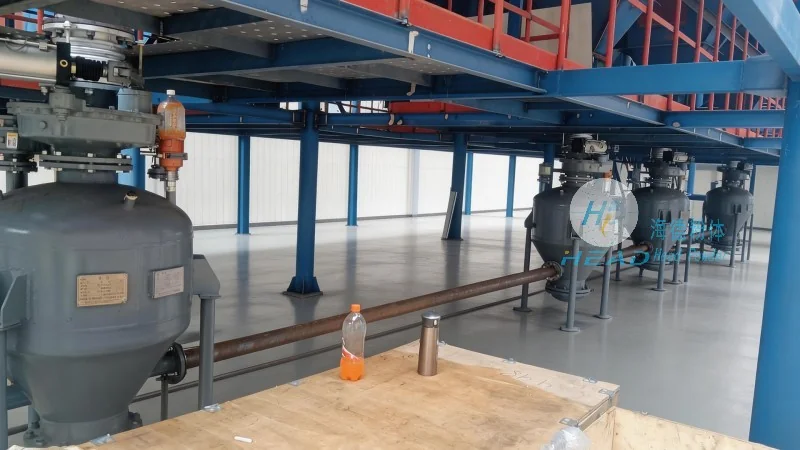
Understanding the Core Principles of Powdered Explosive Pneumatic Conveying
Powdered explosive pneumatic conveying relies on the use of compressed air or other gas to transport granular or powdery materials through a pipeline system. The process involves creating a pressure differential between the source and destination points, which propels the material along the pipeline. There are two primary modes of pneumatic conveying: dilute-phase and dense-phase. Dilute-phase systems use low air-to-material ratios, typically moving materials at high velocities, while dense-phase systems employ higher air-to-material ratios, moving materials at lower velocities with more control over particle movement. For sensitive materials like powdered explosives, the choice of conveying mode is critical to prevent degradation, contamination, or accidental ignition. The system design must consider factors such as material properties (e.g., particle size, moisture content, explosivity), system pressure, and flow rates to ensure optimal performance and safety.
Key Working Scenario Characteristics of Powdered Explosive Pneumatic Conveying Systems
The working scenarios for powdered explosive pneumatic conveying systems are tailored to meet the specific demands of the explosive manufacturing and processing industries. These systems are typically used in environments where precision, safety, and efficiency are paramount. For instance, in the production of blasting agents or other explosive compositions, the need to transport raw materials like oxidizers, fuels, and sensitizers to mixing and processing units requires a reliable and controlled conveying method. The characteristics of these working scenarios include:
1. **High Safety Standards**: Due to the explosive nature of the materials being handled, all pneumatic conveying systems must adhere to stringent safety protocols. This includes the use of explosion-proof components, proper ventilation systems, and monitoring equipment to detect any potential hazards. The system design must minimize the risk of static electricity buildup, which could lead to sparks and accidental ignition.
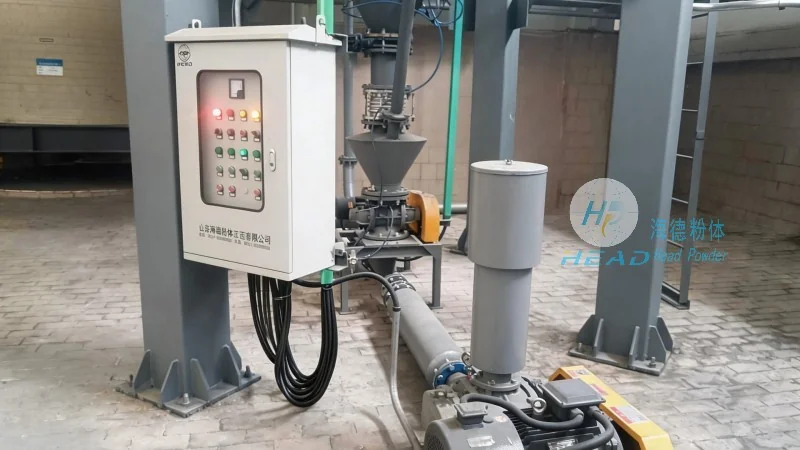
2. **Precision and Control**: The conveying process must maintain the integrity of the explosive powders, preventing agglomeration or segregation of particles. This is achieved through controlled air flow rates, appropriate pipeline dimensions, and the use of specialized equipment such as rotary valves, airlocks, and filters. The goal is to ensure that the material reaches its destination in the correct form and without any degradation.
3. **Efficiency and Throughput**: Pneumatic conveying systems are designed to handle high throughput volumes while minimizing energy consumption. The efficiency of the system is influenced by factors such as the length of the pipeline, the number of bends, and the type of material being transported. Optimized system design can significantly reduce operational costs and increase productivity.
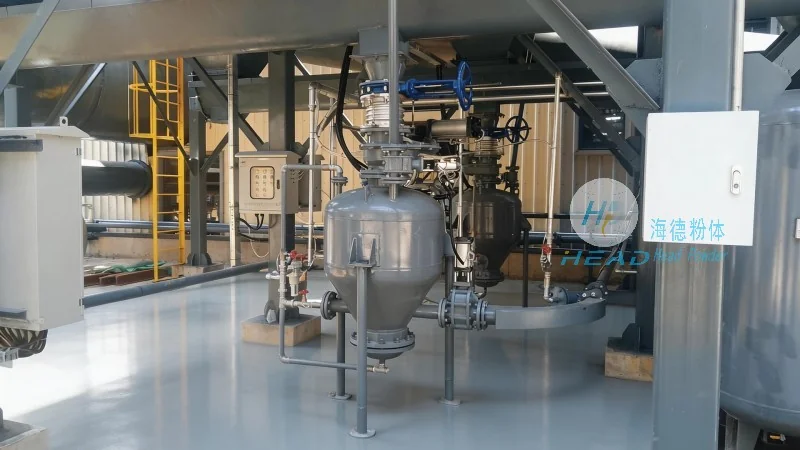
4. **Flexibility and Scalability**: Modern pneumatic conveying systems are often designed to be flexible and scalable, allowing for adjustments based on changing production needs. This includes the ability to integrate with existing manufacturing lines, expand capacity as demand grows, or adapt to different material types. The scalability of these systems is particularly important in the explosive industry, where production volumes and material compositions may vary over time.
Application Examples in Explosive Manufacturing
HeadPowder's expertise in pneumatic conveying technology is evident in the diverse applications of its systems within the explosive manufacturing sector. For example, in the production of ammonium nitrate-based blasting agents, the system may be used to transport ammonium nitrate from storage silos to mixing tanks, while simultaneously conveying fuel oil or other additives. The controlled flow of these materials ensures that the final product has the correct composition and is free from contamination. Another application is in the handling of sensitizers, such as aluminum powder or other metal powders, which require precise dosing and mixing to achieve the desired explosive properties.
Conclusion
HeadPowder Engineering Co., Ltd., based in Shandong, China, is a trusted partner in the development and implementation of advanced pneumatic conveying systems for powdered explosives. By understanding the core principles of pneumatic conveying and the specific characteristics of working scenarios, companies can enhance their operational efficiency, ensure safety compliance, and maintain the quality of their explosive products. The company's commitment to innovation and adherence to industry standards makes it a leading choice for businesses seeking reliable and effective powder handling solutions.




