For industries dealing with bulk powders, the efficiency and reliability of material handling systems are critical. One such advanced solution is the automatic powder feeding and conveying line, a sophisticated system designed to streamline the entire process of powder handling, mixing, and transportation. This article explores what this technology entails and the underlying design principles that make it effective.
Understanding the Automatic Powder Feeding and Conveying Line
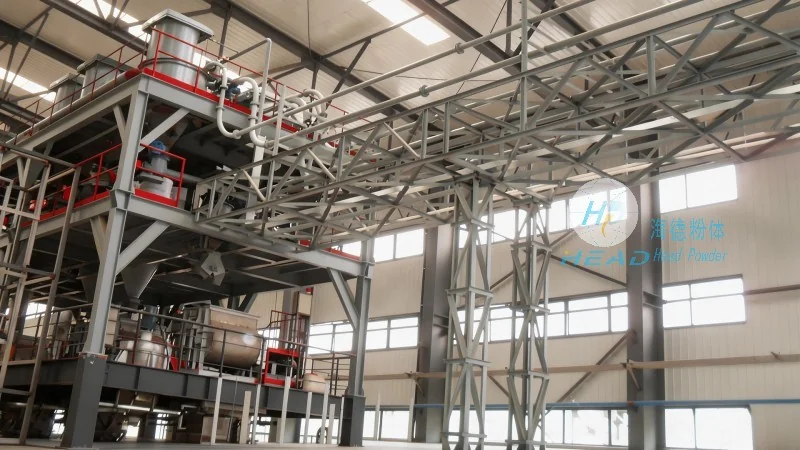
An automatic powder feeding and conveying line is a comprehensive system engineered to handle, transport, and mix various types of powders with precision and consistency. It typically integrates multiple components such as feeders, conveyors, mixers, and control systems to ensure seamless operation. The primary goal is to automate the entire workflow, reducing manual intervention and enhancing productivity in industrial settings. This system is widely used in sectors like pharmaceuticals, food processing, chemicals, and mining, where the handling of fine powders requires high accuracy and safety.
Key Components and Their Functions
The effectiveness of an automatic powder feeding and conveying line relies on its integrated components, each playing a crucial role in the overall operation. The main components include:
1. Pneumatic or Mechanical Feeders: These devices are responsible for accurately measuring and dispensing the required amount of powder. They can be controlled to deliver precise dosages, ensuring consistent quality in the final product. The choice between pneumatic and mechanical feeders depends on the powder's properties, such as flowability and density.
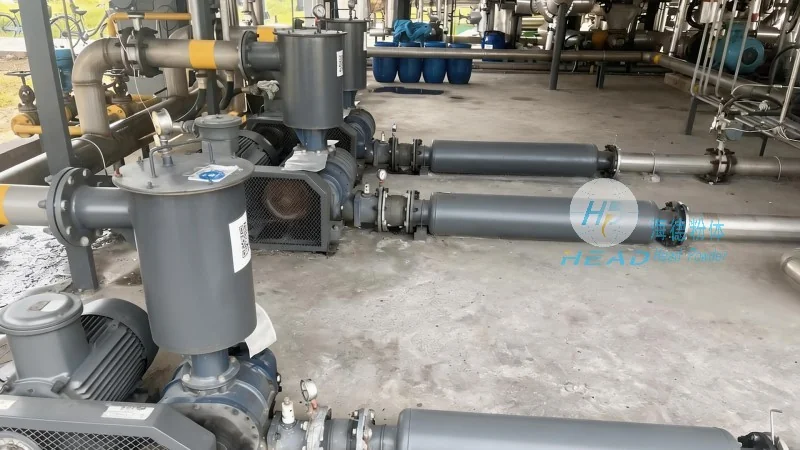
2. Conveying Systems: Conveyors are used to transport the powder from one point to another within the system. Common types include screw conveyors, belt conveyors, and pneumatic conveying lines. These systems ensure the powder moves smoothly and without degradation, maintaining its integrity throughout the process.
3. Mixing Units: The mixing component is essential for achieving uniform blends, especially when handling multiple powder ingredients. These units can be designed as high-shear mixers or ribbon mixers, depending on the specific requirements of the application. The mixing process is often controlled by a programmable logic controller (PLC) to ensure consistent mixing ratios.
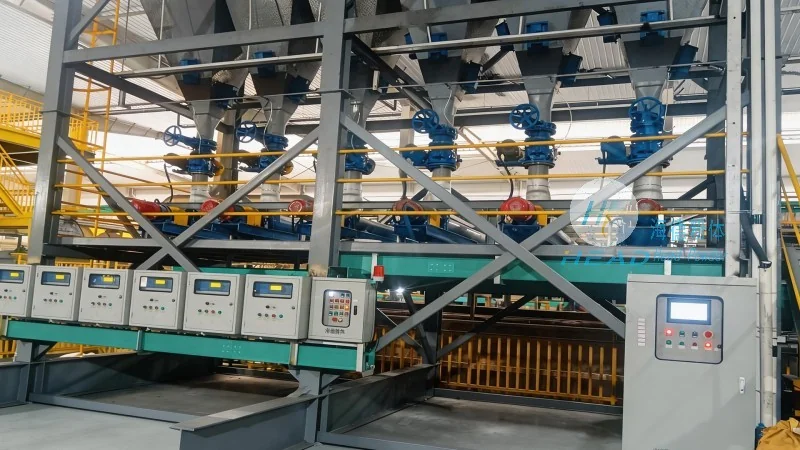
4. Control and Monitoring Systems: Modern automatic powder lines are equipped with advanced control systems that monitor and regulate all operations. These systems use sensors to detect powder levels, flow rates, and other parameters, providing real-time feedback to the control unit. This ensures that any deviations are immediately corrected, maintaining the system's performance and product quality.
Design Principles for Optimal Performance
The design of an automatic powder feeding and conveying line is based on several key principles aimed at maximizing efficiency, safety, and reliability. These principles are tailored to the specific characteristics of the powders being handled and the operational requirements of the industry.
1. Material Compatibility: The design must consider the chemical and physical properties of the powders, such as moisture content, particle size, and flowability. Materials used for the construction of the system, including hoppers, pipes, and mixers, must be compatible with the powders to prevent contamination or degradation. For example, stainless steel is commonly used due to its corrosion resistance and non-reactive nature.
2. Flow Control and Prevention of Blockages: Proper design includes features to prevent powder bridging and blockages in the system. This involves using appropriate hopper designs, such as conical or wedge-shaped hoppers, and incorporating vibration or air-assisted systems to ensure smooth flow. The system may also include level sensors and alarms to alert operators of any potential blockages.
3. Energy Efficiency: Modern designs prioritize energy efficiency to reduce operational costs. This can be achieved through the use of variable speed drives (VSDs) for conveyors and feeders, which adjust the speed based on the required flow rate. Additionally, the system may incorporate energy recovery mechanisms, such as regenerative blowers in pneumatic conveying systems, to minimize energy consumption.
4. Safety and Compliance: Safety is a paramount consideration in the design of powder handling systems. The system must comply with relevant industry standards and regulations, such as those from the Occupational Safety and Health Administration (OSHA) or the European Union's Machinery Directive. Features like explosion-proof designs, dust extraction systems, and emergency stop buttons are integrated to ensure operator safety and prevent accidents.
Applications and Benefits
The automatic powder feeding and conveying line offers numerous benefits across various industries. Its ability to handle a wide range of powders with precision and consistency makes it an ideal solution for applications where quality and efficiency are paramount. Some of the key benefits include:
1. Increased Productivity: By automating the entire powder handling process, the system reduces the time and labor required for manual operations. This leads to higher throughput and increased productivity in manufacturing lines.
2. Improved Product Quality: The precise control over dosing and mixing ensures that the final product has consistent properties, reducing variations and improving overall quality. This is particularly important in industries like pharmaceuticals and food processing, where product consistency is critical.
3. Enhanced Safety: The automated system minimizes human exposure to hazardous powders, reducing the risk of dust explosions and other safety incidents. The integration of safety features, such as dust extraction and explosion-proof designs, further enhances workplace safety.
4. Cost Reduction: By improving efficiency and reducing waste, the system helps lower operational costs. The energy-efficient design and reduced labor requirements contribute to long-term cost savings for the company.
Conclusion
An automatic powder feeding and conveying line is a sophisticated and essential system for industries dealing with bulk powders. Its design, based on principles of material compatibility, flow control, energy efficiency, and safety, ensures optimal performance and reliability. By automating the entire process of powder handling, mixing, and transportation, this technology enhances productivity, improves product quality, and reduces operational costs. For businesses looking to streamline their powder handling operations, investing in such a system is a strategic decision that can yield significant benefits.




