At Shandong HeadPowder Engineering Co., Ltd., we specialize in the design and implementation of efficient cement gray material conveying systems. These systems are crucial for industries dealing with bulk materials, ensuring smooth and reliable transportation from source to destination. This article explores the fundamental principles behind these lines and highlights key working scene characteristics that make them indispensable in various industrial applications.
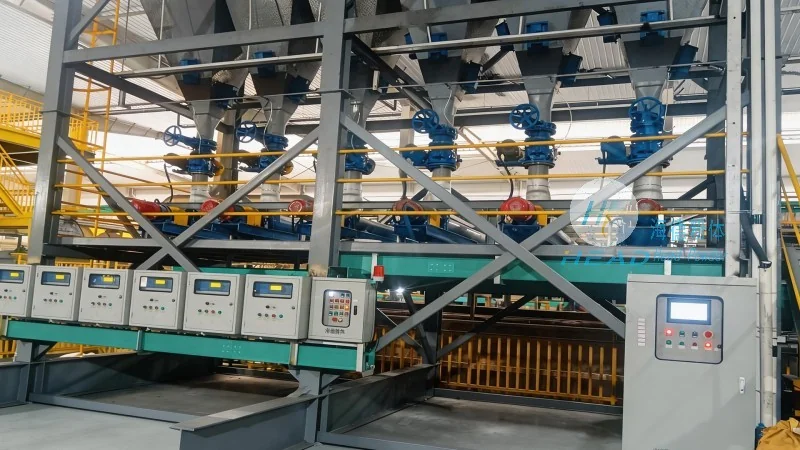
Principle of Cement Gray Material Conveying Lines
The core principle of cement gray material conveying lines revolves around the efficient movement of bulk materials, typically in a continuous flow. These systems often utilize a combination of mechanical components such as conveyor belts, screw conveyors, or pneumatic systems to transport materials. The design is tailored to handle the specific properties of cement gray materials, including their density, moisture content, and flow characteristics. By integrating advanced engineering solutions, these lines ensure minimal material loss, reduced downtime, and enhanced operational efficiency. The system's performance is optimized through precise control mechanisms that regulate speed, pressure, and material feed, adapting to varying production demands.
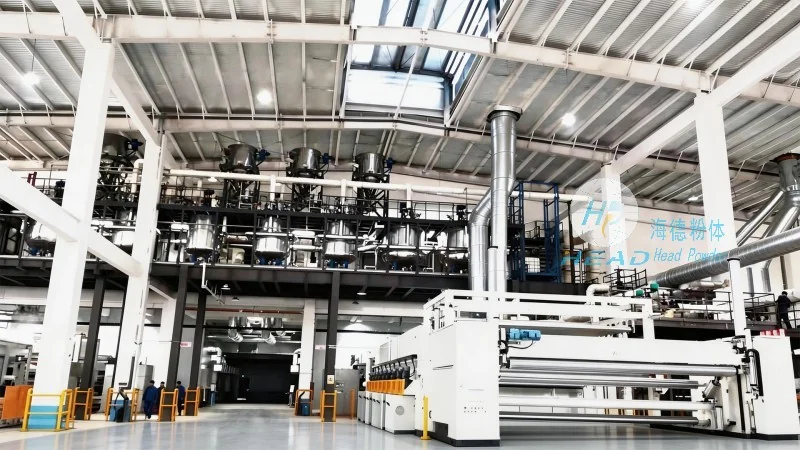
Working Scene Characteristics of Cement Gray Material Conveying Lines
The working scene characteristics of cement gray material conveying lines are shaped by the specific requirements of industrial environments. In manufacturing facilities, these systems operate in high-volume production settings, where consistent material flow is essential for maintaining production schedules. The lines are typically installed in enclosed or semi-enclosed areas to minimize dust dispersion and ensure environmental compliance. Safety features, such as emergency stop buttons and protective guards, are integrated into the design to protect operators and prevent accidents. Additionally, the systems are designed for easy maintenance, with accessible components that allow for quick repairs and replacements, reducing overall operational costs.
Application Scenarios and Industry Integration
Cement gray material conveying lines find widespread application in industries such as cement production, construction materials, and chemical processing. In cement plants, these lines are critical for transporting raw materials like limestone and clay to processing units, as well as for moving finished cement products to storage or shipping areas. The reliability of these systems directly impacts the overall productivity of the plant, as any disruption in material flow can lead to significant delays. In construction material manufacturing, the lines are used to transport aggregates, sand, and other raw materials to mixing and batching operations. The consistent supply of materials ensures that production lines run smoothly, meeting customer demands for quality and quantity. In chemical processing, the systems are adapted to handle various powders and granules, ensuring safe and efficient material transfer in compliance with industry standards.
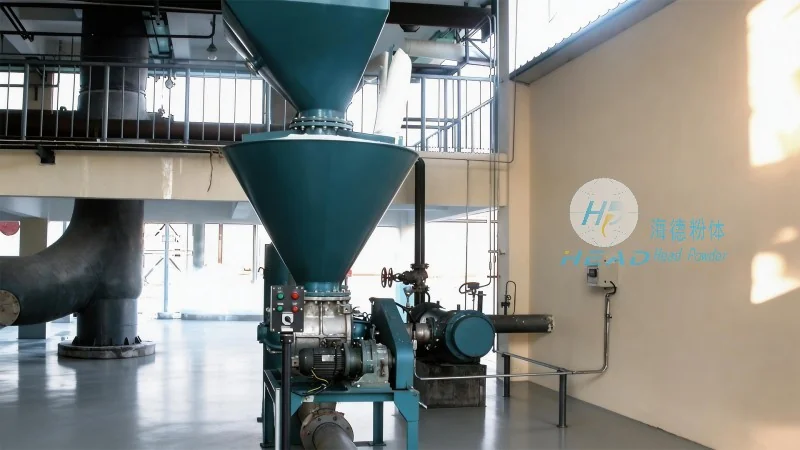
Advantages and Technical Specifications
Implementing cement gray material conveying lines offers several advantages that enhance operational performance. These systems provide a continuous and controlled flow of materials, reducing the need for manual handling and associated labor costs. The use of automated control systems minimizes human error and ensures consistent material quality. Additionally, the enclosed design of many conveying lines helps in controlling dust and maintaining a clean working environment, which is crucial for both safety and regulatory compliance. Technical specifications vary based on the specific application, but common features include adjustable speed controls, material feed hoppers, and discharge chutes. The systems are built to withstand the abrasive nature of cement gray materials, with durable materials like stainless steel or heavy-duty plastics used in critical components. This ensures long-term reliability and reduces the frequency of maintenance and replacement.




