HeadPowder, a leading provider in the chemical processing industry, specializes in advanced solutions for handling sodium hypochlorite, a critical disinfectant widely used in water treatment, sanitation, and industrial cleaning applications. This article explores the fundamental principles of sodium hypochlorite material handling and highlights key application scenarios where such systems are deployed, emphasizing the technical aspects and operational considerations essential for effective implementation.
Understanding the Core Principles of Sodium Hypochlorite Material Handling
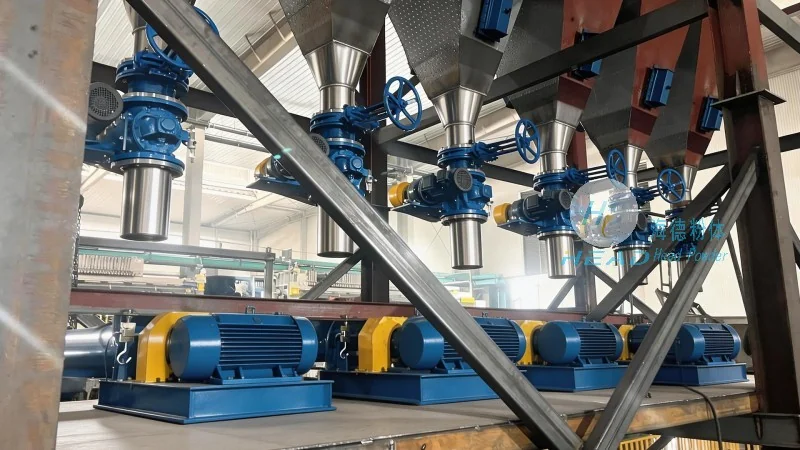
Sodium hypochlorite material handling systems are designed to safely and efficiently transport this caustic chemical from storage to points of use. The primary principle revolves around maintaining the chemical's stability and preventing degradation during transport. Key considerations include temperature control, as sodium hypochlorite is sensitive to heat and light, which can cause decomposition and release of chlorine gas. Systems typically incorporate insulated pipelines, temperature monitoring, and UV-resistant materials to mitigate these risks. Additionally, the handling process must adhere to strict safety protocols due to the chemical's corrosive nature and potential hazards, including skin and eye irritation, respiratory issues, and environmental contamination if not managed properly.
Key Components and Technologies in Sodium Hypochlorite Handling Systems
Modern sodium hypochlorite material handling systems integrate several critical components to ensure reliable operation. These include storage tanks equipped with agitation systems to maintain solution uniformity, pumps (often centrifugal or positive displacement) capable of handling the chemical's viscosity and pressure requirements, and piping networks designed with corrosion-resistant materials such as stainless steel or specialized alloys to withstand the chemical's aggressive properties. Flow meters and pressure sensors are integral for monitoring and controlling the flow rate, while automatic dosing systems enable precise delivery to treatment processes. The integration of these components ensures consistent performance and minimizes downtime, which is crucial for maintaining operational efficiency in water treatment and sanitation applications.
Application Scenarios for Sodium Hypochlorite Material Handling
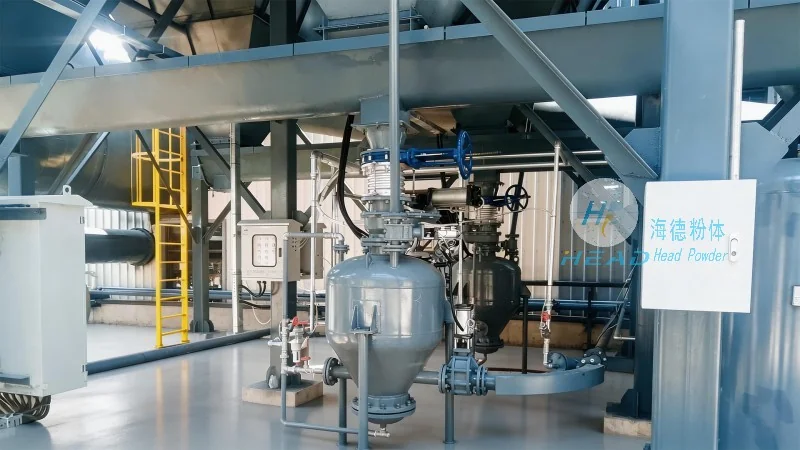
Sodium hypochlorite material handling systems are deployed across diverse industries and applications, each with specific requirements tailored to the process needs. In municipal water treatment plants, these systems are essential for disinfecting water supplies, ensuring compliance with health and safety regulations. The systems are designed to deliver precise concentrations of sodium hypochlorite to contact chambers, where the chemical reacts with pathogens to produce clean, safe drinking water. In industrial settings, such as textile and food processing facilities, sodium hypochlorite is used for sanitizing equipment and surfaces, and the handling systems must accommodate high-flow rates and frequent dosing cycles to meet production demands. Additionally, in commercial and institutional facilities, like hospitals and schools, material handling systems are used for disinfecting water in cooling towers and plumbing systems, protecting both the facility and its occupants from microbial contamination. The versatility of sodium hypochlorite handling systems makes them indispensable in sectors where hygiene and sanitation are paramount.
Operational Considerations and Best Practices
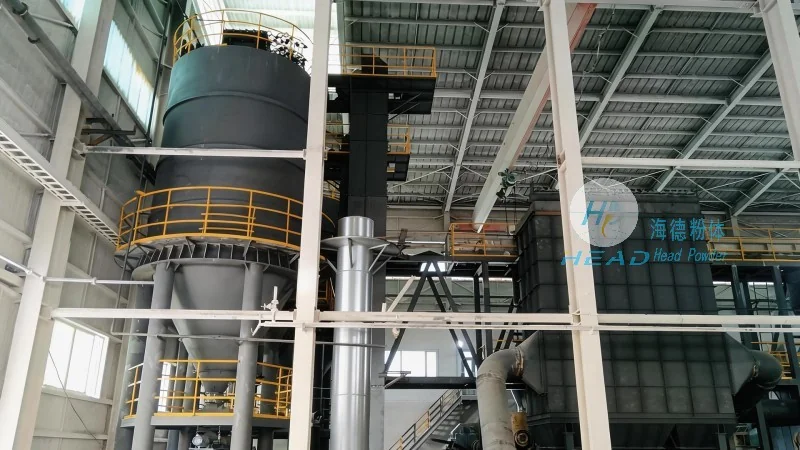
Effective sodium hypochlorite material handling requires adherence to best practices to ensure safety, efficiency, and longevity of the equipment. Regular maintenance, including inspection of storage tanks, pipelines, and pumps for signs of corrosion or wear, is critical to prevent leaks and system failures. Monitoring the chemical's concentration and pH levels is essential to maintain its effectiveness and prevent over-dosing, which can lead to environmental harm or equipment damage. Additionally, proper training for personnel operating the systems is vital, as they must understand the hazards associated with sodium hypochlorite and follow safety protocols, such as wearing personal protective equipment (PPE) and handling spills according to established procedures. By implementing these best practices, organizations can maximize the performance of their sodium hypochlorite handling systems while minimizing risks and operational disruptions.
Conclusion
HeadPowder Engineering Co., Ltd., based in Shandong, China, offers comprehensive solutions for sodium hypochlorite material handling, combining advanced technology with expert engineering to meet the diverse needs of its clients. The principles and application scenarios discussed in this article underscore the importance of reliable material handling systems in ensuring the safe and effective use of sodium hypochlorite across various industries. By prioritizing safety, efficiency, and innovation, HeadPowder continues to provide high-quality solutions that support the critical role of sodium hypochlorite in maintaining public health and industrial hygiene.




