HeadPowder, a leading provider of material handling solutions, specializes in optimizing the transportation of lithium-ion battery materials. This article explores the fundamental principles behind these systems and highlights key application scenarios that define their operational effectiveness in modern battery manufacturing processes.
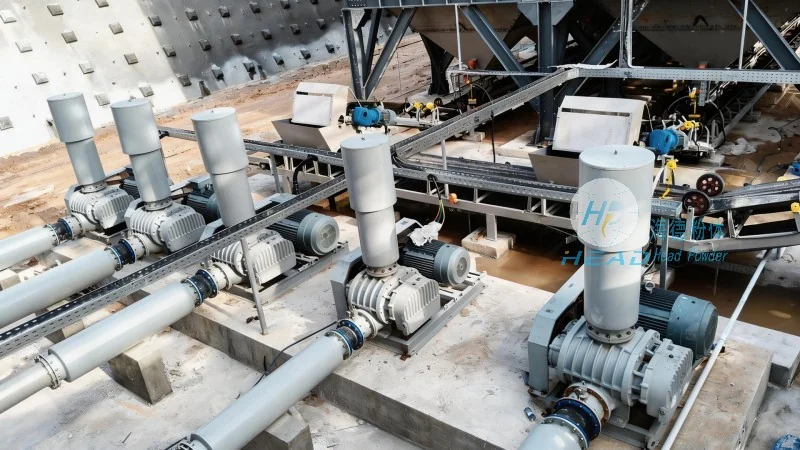
Core Principles of Lithium-Ion Battery Material Handling
The material handling systems used in lithium-ion battery production are designed to ensure efficient, safe, and consistent transport of raw materials and intermediate products. These systems typically incorporate several core principles to meet the stringent requirements of battery manufacturing. First, precision control is paramount, as the handling of powders and granules requires minimal particle degradation and contamination. This is achieved through the use of specialized equipment such as pneumatic conveyors, screw conveyors, and belt conveyors, each tailored to the specific properties of the materials being processed. Second, scalability is a critical factor, as battery production lines often need to accommodate varying throughput rates and material volumes. Modular designs allow for easy expansion or reconfiguration, ensuring that the system can adapt to changing production demands. Third, integration with other manufacturing processes is essential. Material handling systems must seamlessly connect with upstream operations like mixing, sieving, and drying, as well as downstream steps such as coating and assembly. This integration minimizes bottlenecks and enhances overall production efficiency.
Key Application Scenarios in Battery Manufacturing
Material handling systems play diverse roles across various stages of lithium-ion battery production. One primary application is the transport of positive and negative electrode materials. For instance, cathode active materials like lithium cobalt oxide (LiCoO₂) or lithium iron phosphate (LFP) are often delivered to mixing stations via pneumatic conveying lines. These systems ensure that the powders are transported in a dust-free environment, preventing contamination and maintaining material integrity. Similarly, anode materials such as graphite or silicon are handled with care to avoid oxidation or particle agglomeration. The design of these conveying systems often includes features like air filtration and particle size monitoring to maintain quality standards.
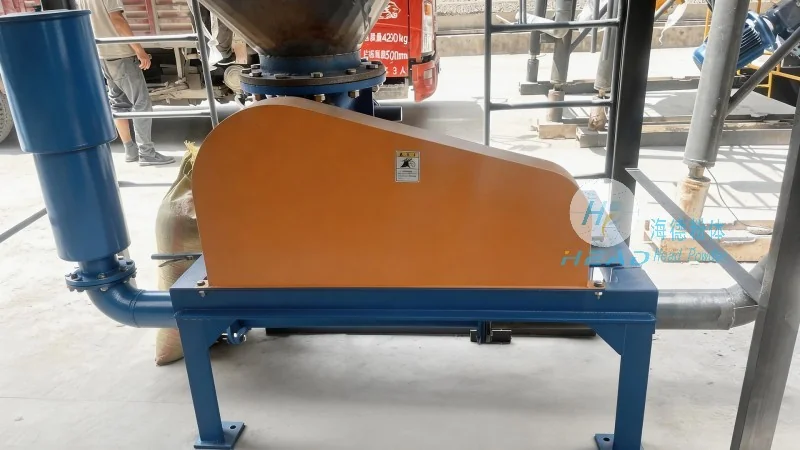
Another critical application is the handling of battery separators. The thin, porous membranes used in battery cells require gentle handling to prevent damage. Conveyors equipped with soft rollers or low-pressure mechanisms are commonly used to transport these delicate materials. This ensures that the separators remain intact and free from tears or punctures, which could compromise battery performance. In addition, the handling of electrolytes and other liquid components involves specialized equipment to prevent spills and ensure uniform distribution. Pumps and dosing systems are integrated into the material handling workflow to deliver precise quantities of electrolyte to the coating or assembly stages.
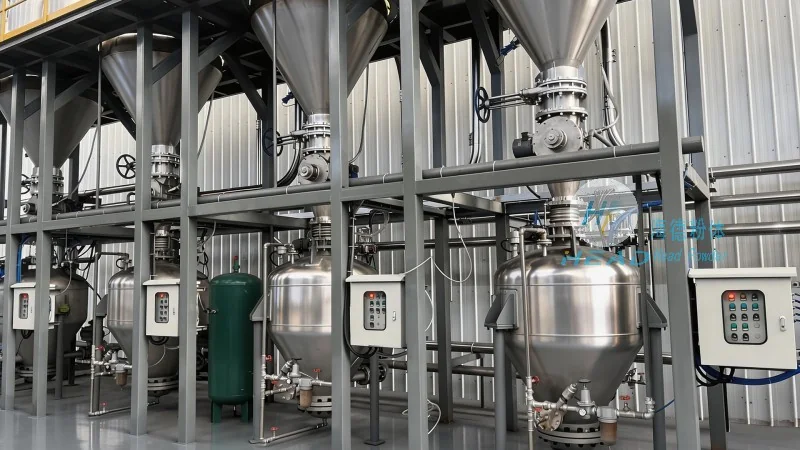
Operational Efficiency and Customization by HeadPowder
HeadPowder Engineering Co., Ltd., based in Shandong, China, offers tailored material handling solutions that address the unique challenges of lithium-ion battery production. The company’s expertise lies in designing systems that balance efficiency, reliability, and cost-effectiveness. By leveraging advanced engineering and material science, HeadPowder develops custom conveyor systems that meet the specific needs of each client. For example, a customer may require a system that handles high-volume production of lithium iron phosphate cathodes, while another might need a system optimized for the delicate handling of silicon anode materials. The company’s approach involves thorough analysis of production workflows, material properties, and operational constraints to deliver solutions that enhance productivity and reduce downtime.
Conclusion: The Role of Material Handling in Lithium-Ion Battery Manufacturing
In conclusion, material handling systems are indispensable components of lithium-ion battery manufacturing, directly impacting the quality, efficiency, and scalability of production. The principles of precision, scalability, and integration form the foundation of these systems, while diverse application scenarios ensure their adaptability across different stages of battery production. Companies like HeadPowder Engineering Co., Ltd. play a vital role in providing specialized solutions that optimize material transport, ultimately contributing to the advancement of lithium-ion battery technology and the broader energy storage industry.




