For industrial facilities that handle dust and powders, the pneumatic conveying line is a crucial element of the dust extraction system. This technology efficiently transports dry powders from the dust extraction station to storage or processing areas, contributing to a cleaner and safer working environment. Understanding the operation process and working principle of such a line is essential for optimizing its performance and ensuring reliable operation.
Key Components of the Pneumatic Conveying System
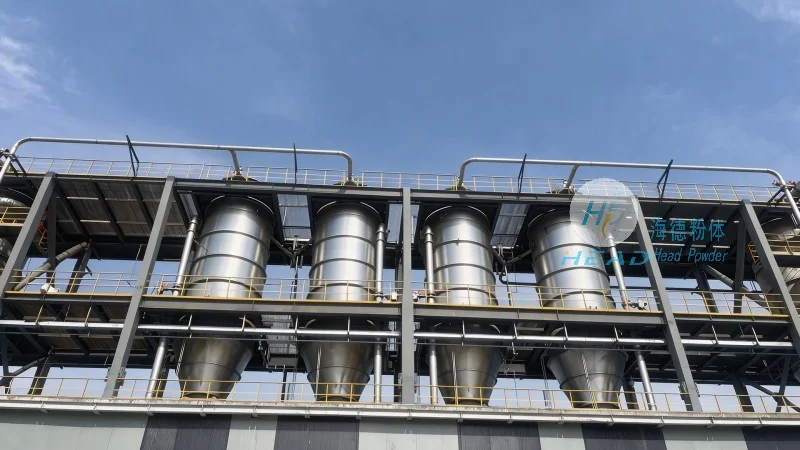
The pneumatic conveying line in a dust extraction station comprises several critical components that collaborate to achieve efficient powder transport. These components include dust extraction hoods, conveying pipelines, an air supply system (typically a blower or compressor), and a receiving hopper or silo. Each component plays a vital role in the overall functionality of the system, ensuring that powders are captured, transported, and collected effectively.
Working Principle of the Pneumatic Conveying Process
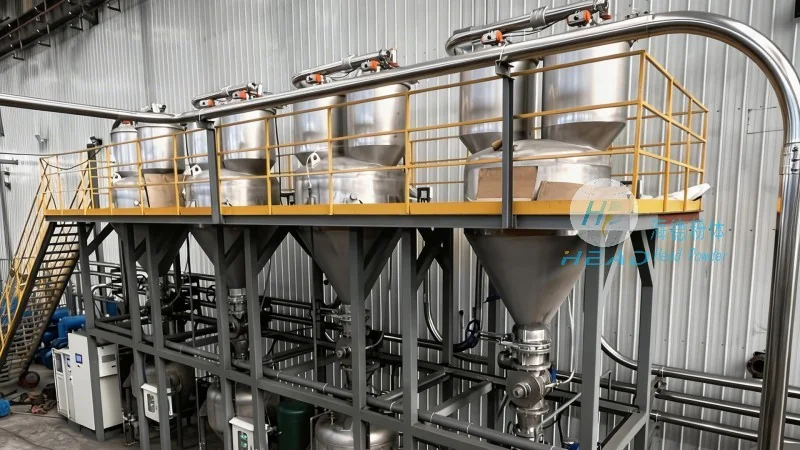
The working principle of a powder pneumatic conveying line is based on the use of compressed air to move dry powders through a pipeline. When the system is activated, the blower generates a high-pressure air flow. This air flow creates a negative pressure (suction) at the dust extraction point, drawing the powder particles into the pipeline. The air and powder mixture then travels through the pipeline to the receiving end, where the air is separated from the powder and the powder is collected in the hopper. The air is typically filtered and recycled back to the blower, which maintains energy efficiency and reduces operational costs.
Operation Process: Step-by-Step Guide
The operation process of a pneumatic conveying line in a dust extraction station involves a series of sequential steps. Initially, the dust extraction hoods are positioned to capture airborne powders generated during industrial processes. As the process continues, the blower starts and generates the necessary air pressure. The air flow draws the powder particles into the pipeline, forming either a dense phase or dilute phase flow depending on the system design. The powder is then transported to the designated storage or processing area. At the receiving end, the air is separated from the powder using a cyclone separator or other filtration equipment, and the powder is collected in the hopper. The air is then filtered and returned to the blower, completing the cycle and ensuring continuous operation.
Advantages of Using a Pneumatic Conveying Line
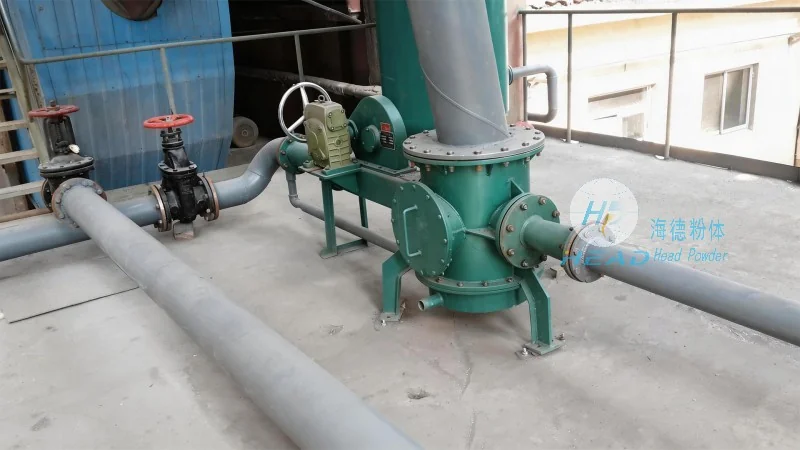
Implementing a pneumatic conveying line in a dust extraction station offers several significant advantages. It provides a dust-free environment by containing powders within the system, thereby reducing the risk of airborne contamination and improving workplace safety. The system is also highly flexible, capable of transporting powders over long distances with minimal maintenance requirements. Additionally, it can handle a wide variety of powders, including abrasive or corrosive materials, making it suitable for diverse industrial applications such as pharmaceuticals, food processing, and chemical manufacturing.
HeadPowder's Expertise in Pneumatic Conveying Solutions
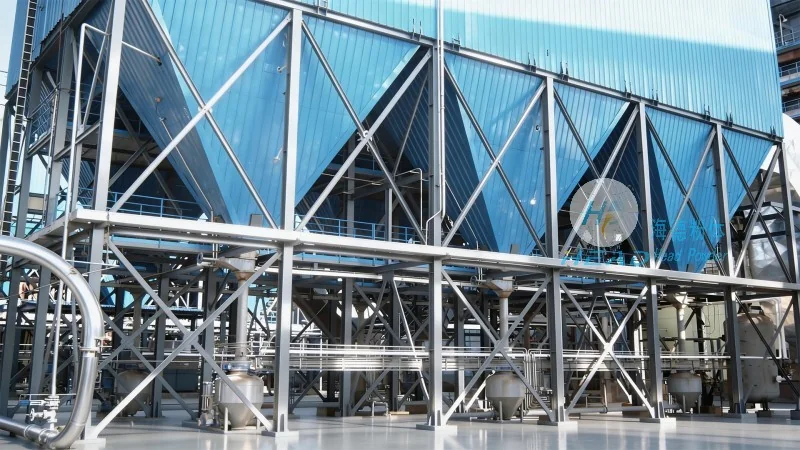
Shandong HeadPowder Engineering Co., Ltd., a prominent engineering solutions provider, specializes in designing and manufacturing efficient pneumatic conveying systems tailored for dust extraction stations. With a team of experienced engineers and technicians, HeadPowder offers customized solutions that meet the specific needs of clients. The company focuses on understanding client requirements and developing systems that ensure optimal performance, reliability, and cost-effectiveness. By leveraging advanced technology and rigorous quality control, HeadPowder delivers solutions that enhance operational efficiency and safety in industrial settings.
Conclusion: Enhancing Efficiency and Safety
The pneumatic conveying line is a vital component of modern dust extraction systems, enabling efficient and safe transport of powders. By comprehending the operation process and working principle, industrial facilities can optimize their systems for better performance and reduced downtime. With the expertise of companies like Shandong HeadPowder Engineering Co., Ltd., businesses can implement reliable and efficient pneumatic conveying solutions that not only improve productivity but also contribute to a safer working environment. The integration of such systems is a key step toward achieving sustainable and effective industrial operations.




