Condiment material conveying is a critical process in the food processing industry, particularly for companies involved in the production and distribution of seasonings and spices. The efficient handling of these materials from raw ingredients to final packaging requires specialized equipment and a thorough understanding of the underlying principles. This article explores the fundamental principles of condiment material conveying and highlights the key operational characteristics that define effective systems in this sector.
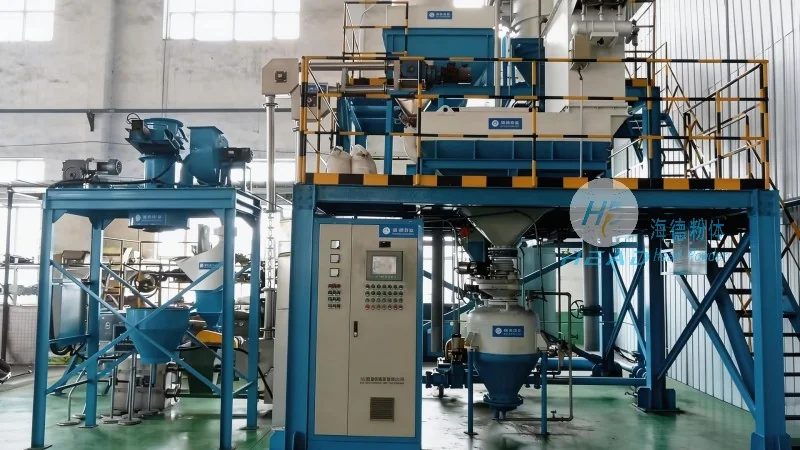
Company Overview: Shandong HeadPowder Engineering Co., Ltd.
Based in Shandong, China, Shandong HeadPowder Engineering Co., Ltd. is a leading provider of engineering solutions tailored to the condiment and food processing industries. With a focus on innovation and reliability, the company specializes in designing and manufacturing equipment that meets the unique demands of material handling in seasoning production. The company's expertise in conveying systems ensures that clients receive solutions that enhance productivity, maintain product quality, and adhere to industry standards.
The Core Principles of Condiment Material Conveying
The primary principle of condiment material conveying is the efficient transfer of dry, granular, or powdered materials such as spices, herbs, and flavorings from one point to another within a processing facility. This process typically involves the use of mechanical equipment that can handle the specific characteristics of these materials, including their size, density, and flowability. The key to successful conveying lies in understanding the physical properties of the materials being handled and selecting the appropriate equipment that optimizes performance while minimizing product degradation.
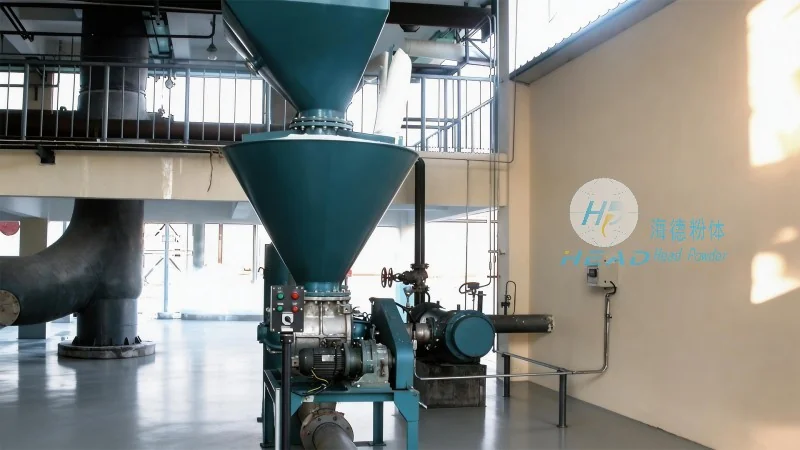
Types of Conveying Equipment Used in Condiment Processing
Several types of conveying equipment are commonly employed in condiment material handling. One of the most widely used is the screw conveyor, which uses a rotating helical screw to move materials along a trough. This equipment is particularly effective for handling dry, free-flowing materials and can be adjusted to control the speed and direction of material flow. Another common option is the bucket elevator, which uses a series of buckets attached to a chain or belt to lift materials vertically. This type of equipment is ideal for vertical transport and can handle materials with varying moisture content and particle sizes. Additionally, pneumatic conveying systems, which use air pressure to transport materials through a pipeline, are used for materials that are dusty or require minimal contact with equipment surfaces.
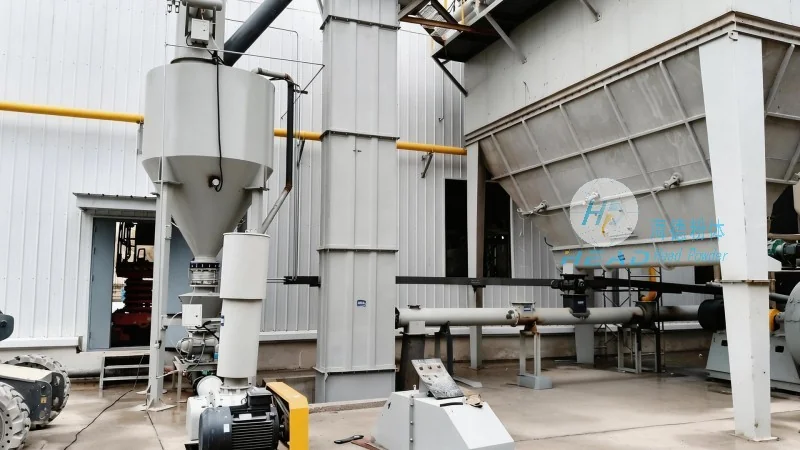
Operational Characteristics of Effective Condiment Conveying Systems
Effective condiment material conveying systems exhibit several key operational characteristics that contribute to their success. First, they must maintain product integrity by minimizing exposure to air, moisture, and mechanical stress. This is crucial for preserving the flavor, aroma, and nutritional value of the condiments. Second, the systems must be designed for easy cleaning and maintenance to ensure compliance with hygiene standards and to reduce downtime. Third, they should offer flexibility in terms of material handling capacity, allowing for adjustments based on production volume and material type. Finally, energy efficiency is a critical factor, as conveying systems can account for a significant portion of operational costs in food processing facilities.
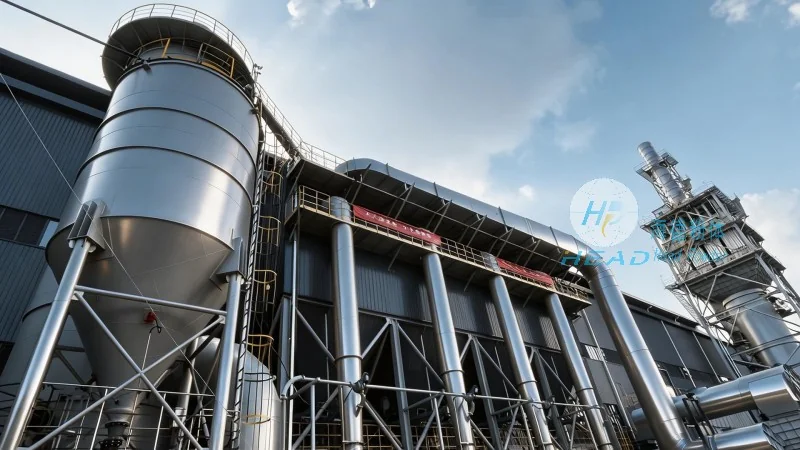
Application Scenarios in Condiment Production
The operational characteristics of condiment material conveying systems are directly influenced by the specific applications within the production process. For example, in the initial stages of seasoning production, materials may be received in bulk and transferred to storage silos using large-capacity conveying equipment. During the blending phase, smaller, more precise conveying systems are used to combine different spices and herbs in the correct proportions. In the final packaging stage, conveying systems may be used to transport finished products from the production line to the packaging area, ensuring a smooth and continuous workflow. Each of these stages requires equipment that is tailored to the specific material and process requirements, highlighting the importance of a customized approach to material handling.
Conclusion: The Importance of Specialized Conveying Solutions
In conclusion, the principles and operational characteristics of condiment material conveying are essential for the efficient and effective operation of seasoning and spice production facilities. By understanding the unique properties of condiment materials and selecting the appropriate conveying equipment, companies can enhance productivity, maintain product quality, and ensure compliance with industry standards. Shandong HeadPowder Engineering Co., Ltd. provides specialized engineering solutions that address these needs, helping clients achieve optimal performance in their material handling processes. The combination of technical expertise and practical application ensures that the conveying systems designed by the company are not only effective but also reliable and durable, supporting the long-term success of food processing operations.




