HeadPowder, a leading provider in the field of powder handling technology, specializes in solutions for aluminum foil powder conveying. This article delves into the fundamental principles behind aluminum foil powder conveying systems and highlights the key characteristics of their operational environments. By understanding these aspects, industries can better select and implement effective powder handling solutions tailored to their specific needs.
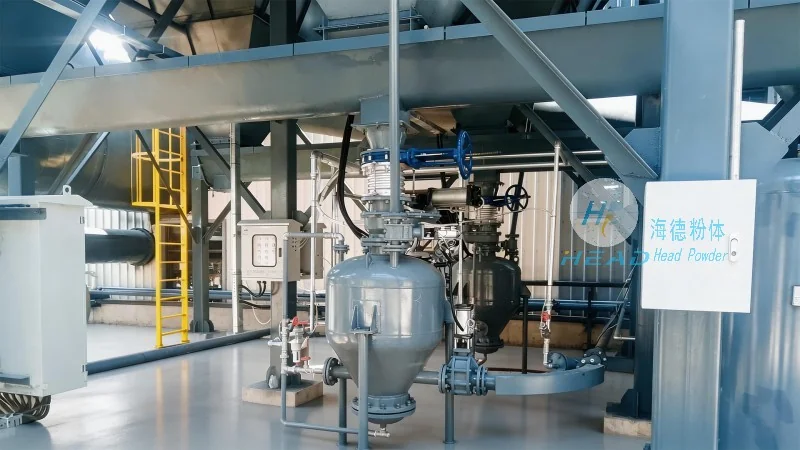
Company Overview: Shandong HeadPowder Engineering Co., Ltd.
HeadPowder, operating from Shandong, China, is dedicated to advancing powder handling technologies. As a professional manufacturer and supplier, the company focuses on delivering high-quality aluminum foil powder conveying equipment and systems. With a strong commitment to innovation and customer satisfaction, HeadPowder has established itself as a trusted partner in the industry.
The Core Principles of Aluminum Foil Powder Conveying
Aluminum foil powder conveying involves the efficient movement of aluminum foil powder from one location to another within industrial processes. The primary principle revolves around the use of specialized equipment designed to handle the unique properties of aluminum foil powder, such as its lightweight nature, potential for static charge, and the need for controlled flow to prevent segregation or degradation. Key components typically include feeders, conveyors, and control systems that work in tandem to ensure smooth and reliable material transport.
One of the fundamental principles is the management of material flow dynamics. This includes controlling the velocity and pressure of the conveying medium (often air or a combination of air and powder) to maintain a stable and consistent flow rate. Proper design of the conveying system is crucial to prevent issues like blockages, clogging, or uneven distribution of the powder. Advanced control technologies, such as variable frequency drives and real-time monitoring, are employed to optimize the conveying process and adapt to changing operational conditions.
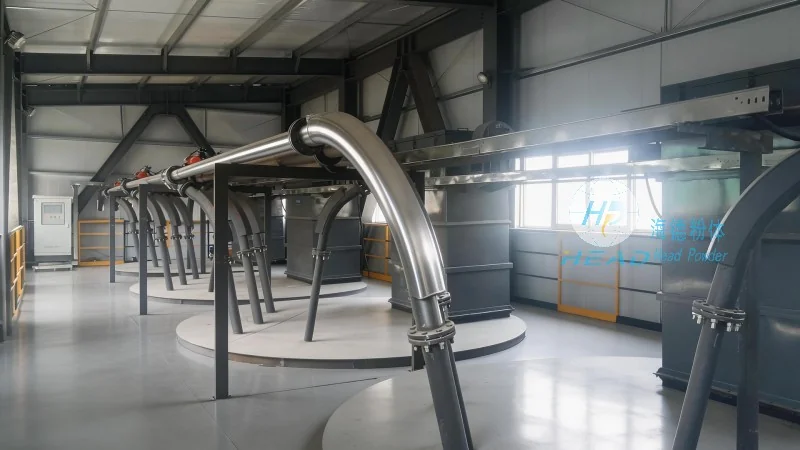
Key Characteristics of Operational Environments for Aluminum Foil Powder Conveying
The operational environments for aluminum foil powder conveying systems exhibit distinct characteristics that influence system design and performance. These environments are typically found in industries where aluminum foil powder is a critical raw material, such as in the production of aluminum foil products, packaging materials, or other related applications.
Firstly, the environments are often characterized by high precision requirements. The powder needs to be conveyed with minimal loss, contamination, or degradation to maintain product quality. This necessitates the use of clean, sealed systems and proper filtration to ensure that the powder remains in its optimal state throughout the conveying process.
Secondly, the operational conditions may involve varying ambient temperatures and humidity levels. Aluminum foil powder can be sensitive to environmental factors, and the conveying system must be designed to operate effectively under these conditions. For instance, in some applications, the powder may need to be conveyed at temperatures that prevent moisture absorption or thermal degradation.
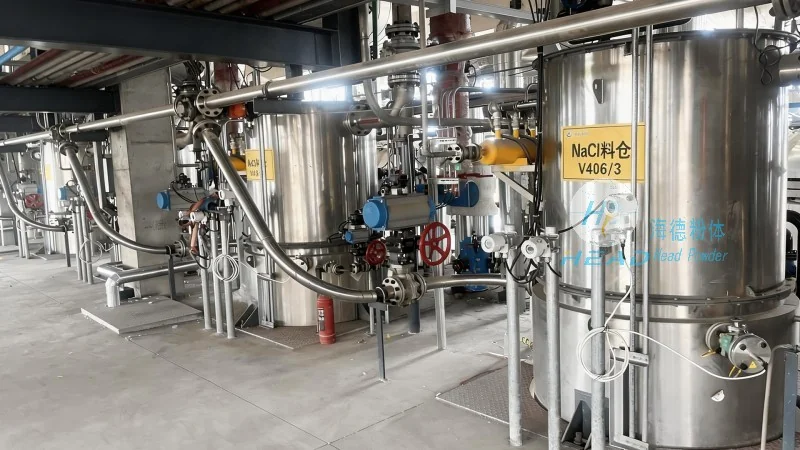
Thirdly, the scale of operations can vary significantly. From small-scale laboratory applications to large-scale industrial production lines, the conveying systems must be scalable and adaptable. This flexibility allows HeadPowder to provide customized solutions that meet the specific demands of each client, whether it's a compact system for research and development or a robust system for high-volume production.
Application Scenarios and Industry Integration
Aluminum foil powder conveying systems are widely integrated into various industrial processes, contributing to the efficiency and productivity of manufacturing operations. In the packaging industry, for example, aluminum foil powder is used in the production of food packaging, pharmaceutical packaging, and other consumer goods. The conveying systems ensure that the powder is delivered to the production lines in a controlled manner, enabling consistent and high-quality product output.
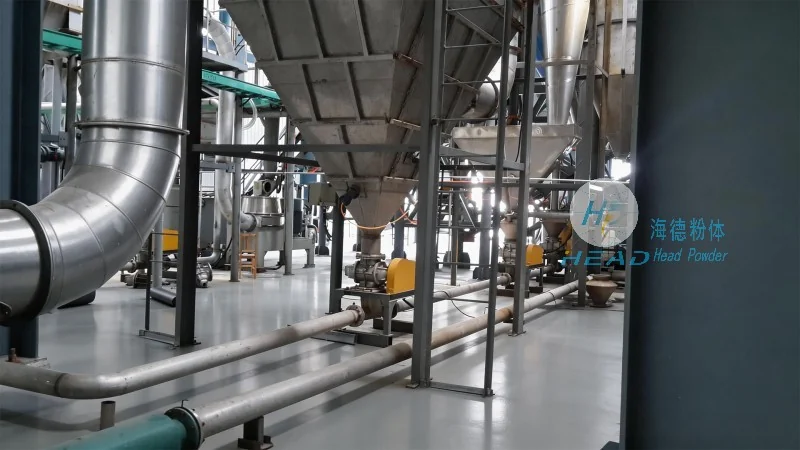
In the manufacturing of aluminum foil products, the conveying systems play a vital role in transporting the powder to the extrusion or rolling processes. This ensures that the material is available in the right quantity and quality, supporting the production of thin and durable aluminum foils used in various applications, from food packaging to industrial insulation.
Furthermore, in the chemical and material processing industries, aluminum foil powder conveying systems are used to handle other similar powders, such as those used in coatings, adhesives, or composite materials. The principles and characteristics discussed above are applicable across these diverse applications, highlighting the versatility and importance of aluminum foil powder conveying technology.
Conclusion and Future Outlook
Understanding the principles and operational characteristics of aluminum foil powder conveying is essential for industries seeking to optimize their material handling processes. HeadPowder, with its expertise and commitment to quality, continues to develop advanced solutions that address the unique challenges of aluminum foil powder handling. By leveraging innovative technologies and tailored system designs, HeadPowder helps clients achieve efficient, reliable, and cost-effective powder conveying solutions, supporting their overall operational success.




