When it comes to transporting small gravel in industrial settings, selecting the appropriate pneumatic conveying system is crucial for efficiency, cost-effectiveness, and operational reliability. The right system can significantly enhance the performance of your material handling processes while minimizing downtime and maintenance costs. This guide aims to help you navigate the key considerations and factors that influence the selection of a suitable pneumatic conveying system for your small gravel transport needs.
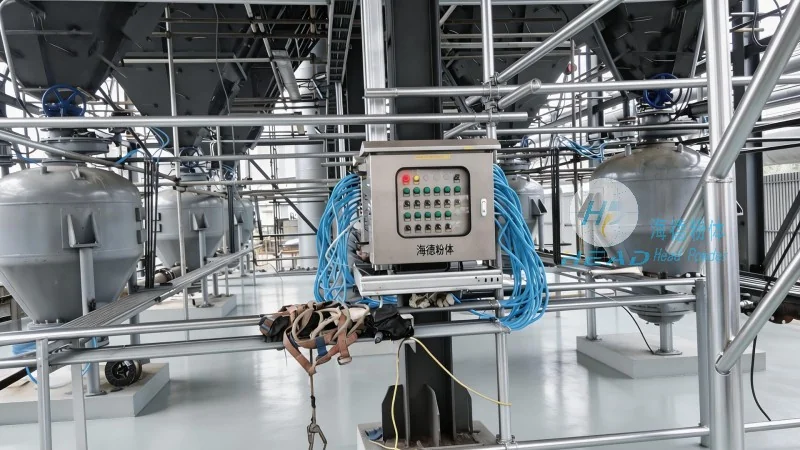
Understanding the Basics of Pneumatic Conveying for Gravel
Pneumatic conveying systems utilize air or gas to transport bulk materials like small gravel through a pipeline network. These systems are widely used in various industries due to their ability to handle materials that are difficult to move with traditional methods, such as those with high moisture content or abrasive properties. The primary types of pneumatic conveying systems include pressure, vacuum, and combined systems, each with distinct advantages and applications.
Key Factors to Consider When Choosing a System
Several critical factors must be evaluated when selecting a pneumatic conveying system for small gravel transport. The first consideration is the material characteristics of the gravel, including its size, density, moisture content, and abrasiveness. These properties directly impact the system's design, such as the type of air flow, pipeline diameter, and equipment required. Additionally, the distance and layout of the transport route are essential, as they determine the system's capacity and energy consumption. The desired throughput rate and operational environment, including ambient temperature and available space, also play a significant role in the selection process.
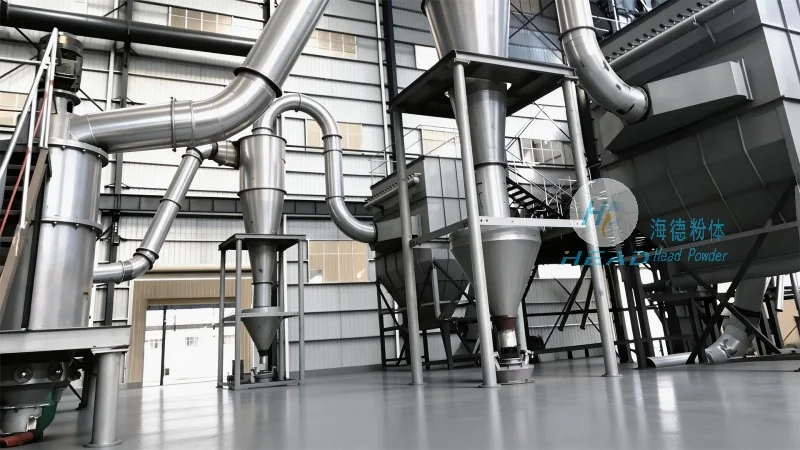
Pressure vs. Vacuum Conveying Systems
Pressure conveying systems operate by blowing air or gas into the material, creating a positive pressure that pushes the material through the pipeline. This method is ideal for short to medium distances and can handle larger quantities of material with higher efficiency. Vacuum conveying systems, on the other hand, use a vacuum to draw material into the system, making them suitable for longer distances or when the material needs to be transported from multiple sources. For small gravel transport, the choice between pressure and vacuum often depends on the specific application requirements and the layout of the facility.
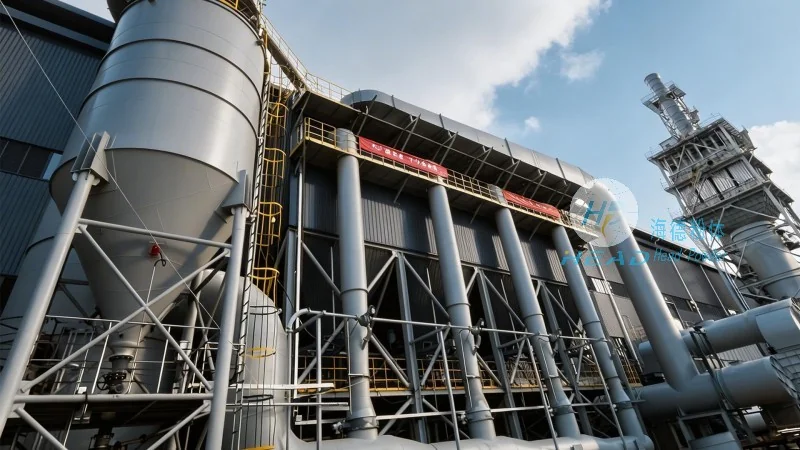
HeadPowder's Expertise in Pneumatic Conveying Solutions
Shandong HeadPowder Engineering Co., Ltd., commonly known as HeadPowder, is a leading provider of customized pneumatic conveying systems tailored to the unique needs of small gravel transport processes. With years of experience in the industry, HeadPowder understands the challenges associated with handling small gravel and offers solutions that ensure optimal performance and durability. The company's team of engineers and technicians work closely with clients to assess their specific requirements, from material characteristics to operational constraints, and design systems that meet their exact specifications.
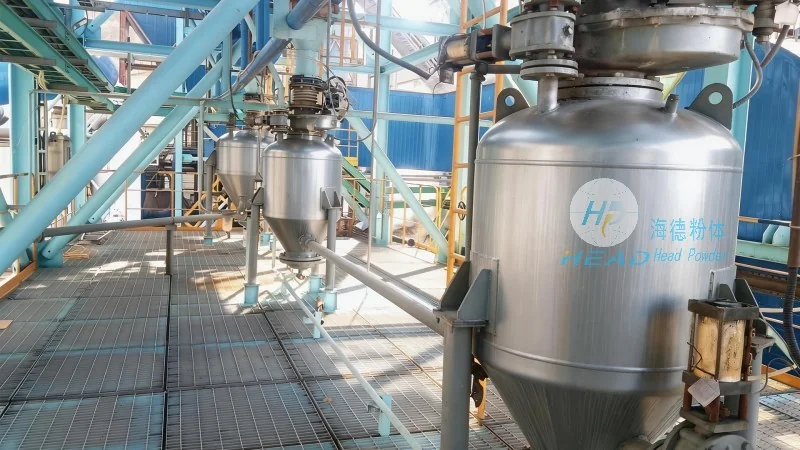
Customization and Integration Services
HeadPowder provides comprehensive customization and integration services to ensure that the pneumatic conveying system is perfectly aligned with the client's existing infrastructure and workflow. This includes the design of specialized components, such as hopper designs, airlocks, and control systems, that are optimized for small gravel transport. The company also offers installation and commissioning services to ensure a smooth transition and minimal disruption to the client's operations. By focusing on customization, HeadPowder ensures that each system is tailored to the unique demands of the application, resulting in enhanced efficiency and reduced maintenance needs.
Benefits of Choosing HeadPowder's Pneumatic Conveying Systems
Implementing a pneumatic conveying system from HeadPowder offers several key benefits for small gravel transport processes. Firstly, these systems provide a dust-free and enclosed transport method, which improves workplace safety and reduces environmental impact. Unlike traditional methods that may generate dust and require additional dust control measures, pneumatic conveying systems keep the material contained within the pipeline, minimizing exposure to workers and the environment. Secondly, the systems are highly efficient in terms of energy consumption, as they use air pressure or vacuum to move material with minimal friction and resistance. This results in lower operational costs and reduced energy bills over time. Additionally, the enclosed design of the system prevents material loss and contamination, ensuring that the gravel remains in good condition throughout the transport process. Finally, the durability and reliability of HeadPowder's systems contribute to longer service life and lower maintenance costs, providing a high return on investment for clients.




