Gray powder conveying in the casting industry is a critical process that ensures efficient material handling and quality control. This article explores the fundamental principles behind gray powder conveying systems and highlights the key working scene characteristics that define their application in various casting operations.
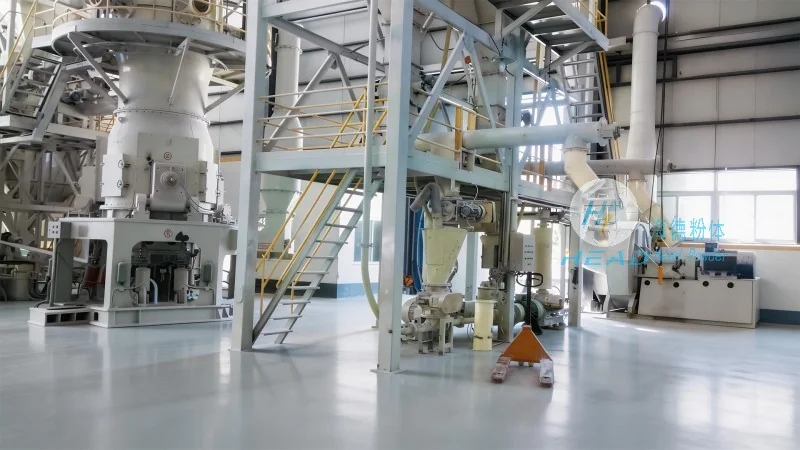
About HeadPowder: Your Trusted Partner in Gray Powder Conveying
HeadPowder, a leading provider of specialized engineering solutions, is dedicated to advancing the efficiency and reliability of gray powder handling in casting applications. With a strong presence in Shandong, China, HeadPowder Engineering Co., Ltd. leverages over a decade of industry expertise to deliver tailored conveying systems that meet the unique demands of modern casting processes. The company’s commitment to innovation and customer-centric design has established it as a trusted partner for manufacturers seeking to optimize their material flow and reduce operational costs.
The Core Principles of Gray Powder Conveying
Gray powder conveying systems operate on the principle of transporting fine particulate materials, such as foundry sand or metal powders, from one location to another. The primary mechanisms used include pneumatic (air-assisted) conveying, mechanical screw or belt conveyors, and vacuum-assisted systems. Each method is selected based on the specific characteristics of the powder, including particle size, moisture content, and bulk density. For casting applications, pneumatic conveying is often preferred due to its ability to handle fine, dry powders with minimal degradation, ensuring that the material remains consistent in quality and free from contamination.
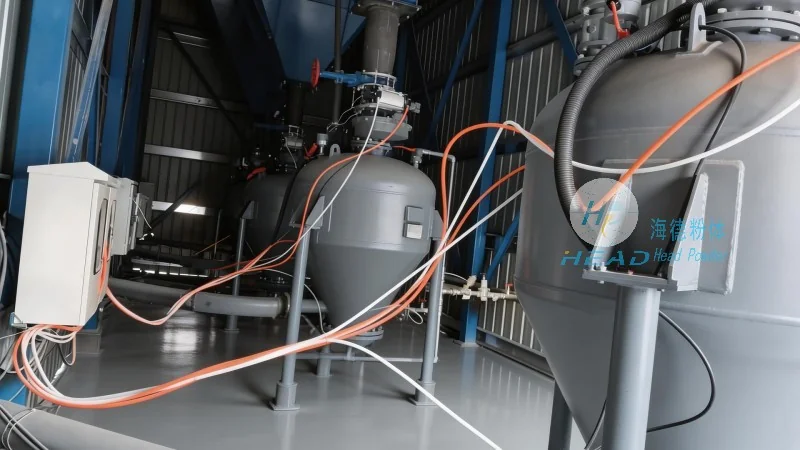
Working Scene Characteristics: Application in Casting Processes
The working scene characteristics of gray powder conveying are closely tied to the specific requirements of casting operations. In sand casting, for example, the system must efficiently transport sand mixtures to molding stations, ensuring uniform distribution and consistent mold quality. The conveying process must also accommodate varying particle sizes and moisture levels to prevent clogging or material degradation. In lost-wax casting or investment casting, the focus shifts to transporting fine metal powders or refractory materials with high precision, as even minor variations can impact the final product's dimensional accuracy and surface finish.
Key Advantages of Optimized Gray Powder Conveying
Implementing an effective gray powder conveying system offers several significant advantages for casting manufacturers. Firstly, it enhances production efficiency by reducing material handling time and minimizing downtime caused by manual or inefficient transport methods. Secondly, it improves material quality by maintaining consistent particle size distribution and moisture content, which directly impacts the strength and durability of the cast components. Thirdly, it enhances workplace safety by eliminating the need for manual handling of heavy or dusty powders, reducing the risk of respiratory issues and workplace accidents. Additionally, optimized conveying systems contribute to cost savings by minimizing material waste and reducing energy consumption through efficient air or mechanical power usage.
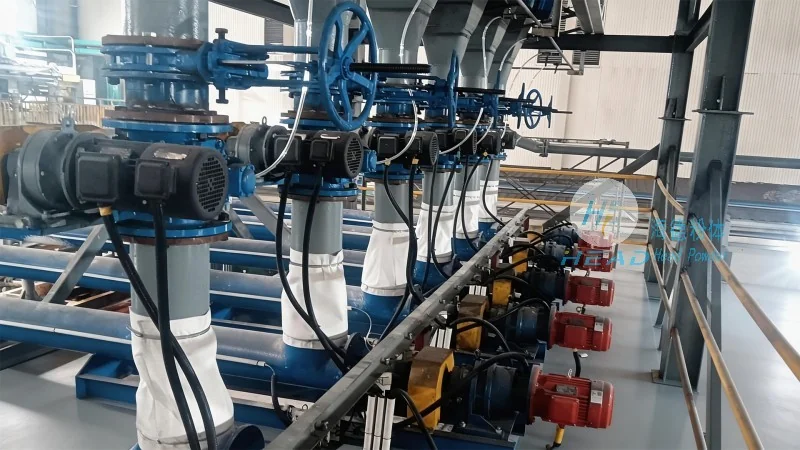
Customization and Integration: Tailoring Conveying Solutions to Casting Needs
HeadPowder understands that no two casting operations are identical, and thus, the company offers customized gray powder conveying solutions tailored to each client's specific requirements. Whether it involves integrating a new system into an existing production line or upgrading an outdated conveyor, HeadPowder's engineering team works closely with clients to assess their current processes, identify bottlenecks, and design a system that maximizes efficiency and reliability. The company’s solutions are designed to be scalable, allowing manufacturers to expand their operations without significant disruptions. Furthermore, HeadPowder provides comprehensive after-sales support, including maintenance services and technical assistance, ensuring that the conveying system continues to operate at peak performance over its lifespan.
Conclusion: The Importance of Reliable Gray Powder Conveying
In conclusion, gray powder conveying is a vital component of modern casting operations, and its proper implementation is essential for achieving high-quality, efficient, and cost-effective production. By understanding the core principles of conveying systems and leveraging the working scene characteristics specific to casting processes, manufacturers can optimize their material handling and improve overall operational performance. With HeadPowder as a partner, casting companies can access advanced, customized conveying solutions that meet their unique needs, ensuring long-term success in a competitive industry.




