Sucrose powder conveying is a critical process in various industrial applications, particularly in the food and pharmaceutical sectors. The efficient handling and transportation of sucrose powder ensure product quality, reduce operational costs, and enhance overall production efficiency. Understanding the underlying principles and operational characteristics of sucrose powder conveying systems is essential for optimizing these processes. This article explores the fundamental principles of sucrose powder conveying and highlights key application scenarios where these systems are utilized effectively. Shandong HeadPowder Engineering Co., Ltd., a leading provider of powder handling solutions, specializes in designing and manufacturing systems tailored to the unique needs of sucrose powder processing. With operations based in Shandong, China, the company leverages advanced engineering and industry expertise to deliver reliable conveying solutions.
Core Principles of Sucrose Powder Conveying
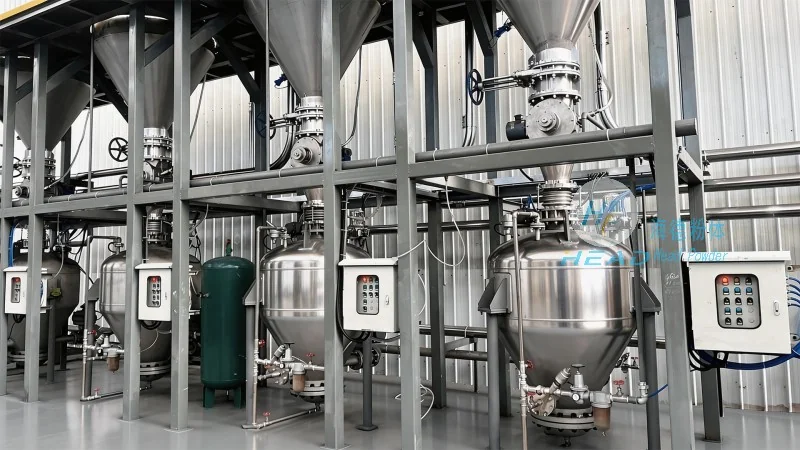
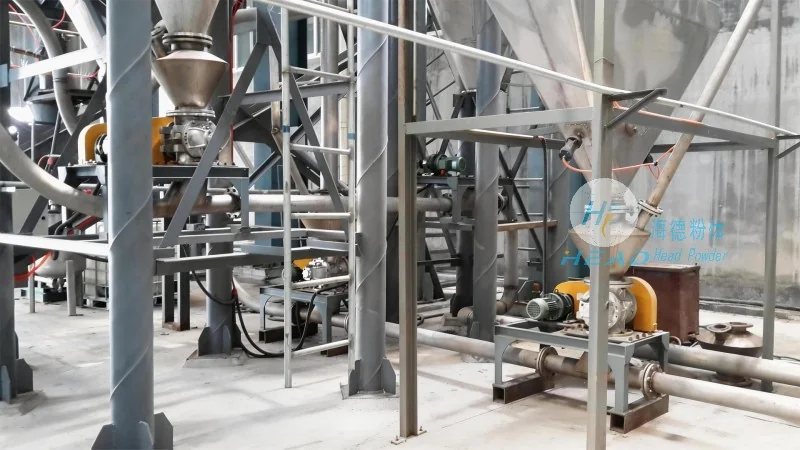
The primary principles governing sucrose powder conveying involve the use of mechanical and gravitational forces to move granular materials through pipelines or conveyor systems. In mechanical conveying, devices such as screw conveyors, pneumatic systems, and bucket elevators are employed to transport sucrose powder from one location to another. These systems are designed to handle the specific properties of sucrose powder, including its particle size, moisture content, and flow characteristics. For instance, screw conveyors utilize rotating screws to push powder forward, while pneumatic conveyors use air pressure to suspend and transport particles. The choice of conveying method depends on factors like the distance to be covered, the volume of material, and the need for dust control.
Gravitational conveying, on the other hand, relies on the natural tendency of powder to flow downward under the influence of gravity. This method is often used in vertical or inclined chutes where the powder can slide or cascade from a higher to a lower level. The design of gravitational conveyors, such as hoppers and chutes, is crucial to prevent material bridging or caking, which can impede flow. Proper angle of inclination and smooth surface finishes are essential to ensure consistent and reliable flow.
Application Scenarios and Operational Characteristics
Sucrose powder conveying systems are widely used in diverse industrial settings, each with unique requirements and operational characteristics. In the food industry, for example, sucrose is a key ingredient in the production of confectionery, beverages, and baked goods. The conveying systems must maintain product purity and prevent contamination, often requiring sealed and sanitary designs. In pharmaceutical applications, sucrose is used as a filler or excipient in tablet and capsule manufacturing. Here, the conveying systems must adhere to stringent hygiene standards and ensure accurate dosing. The company's expertise in sanitary design and material selection ensures compliance with regulatory requirements in these sectors.
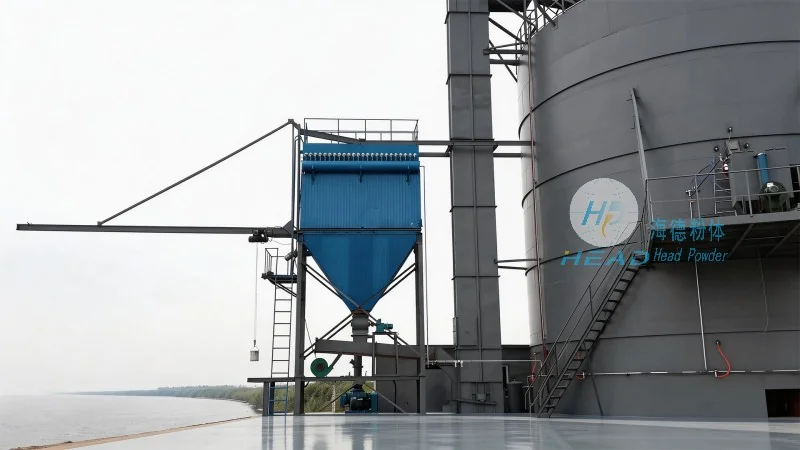
Another significant application is in the chemical and petrochemical sectors, where sucrose may be used as a raw material or as a processing aid. The conveying systems in these industries need to handle higher volumes and potentially abrasive materials, requiring robust construction and efficient maintenance. The operational characteristics of sucrose powder conveying also include considerations for dust management and environmental control. Proper ventilation and filtration systems are essential to minimize airborne particulates and comply with occupational health and safety regulations. Shandong HeadPowder Engineering Co., Ltd. offers customized solutions that address these challenges, ensuring safe and efficient operation.
Key Features and Advantages of Sucrose Powder Conveying Systems
Modern sucrose powder conveying systems offer several advantages that enhance their performance and reliability. One of the key features is the ability to handle varying particle sizes and moisture contents without compromising flow. This flexibility allows for the integration of these systems into existing production lines, reducing the need for extensive modifications. Additionally, advanced control systems enable precise regulation of conveying speed and volume, ensuring consistent product quality. The use of materials such as stainless steel and food-grade plastics in the construction of conveying components further enhances durability and compliance with industry standards. The company's commitment to quality and innovation has led to the development of cutting-edge conveying technologies.
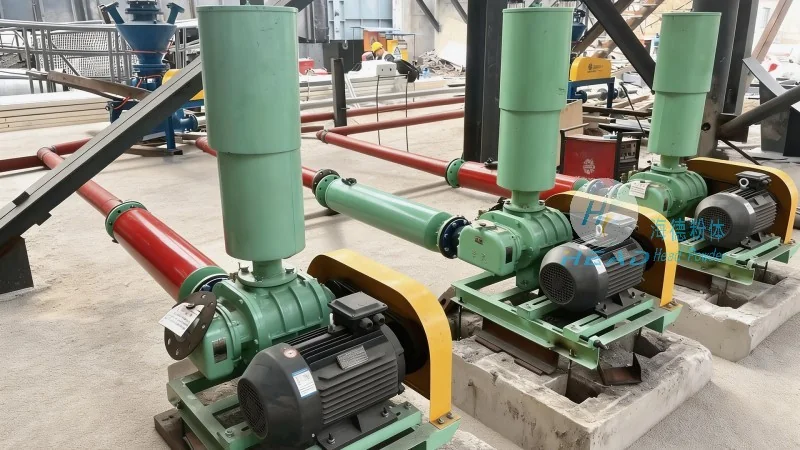
The operational efficiency of sucrose powder conveying systems is also a significant advantage. By minimizing material handling time and reducing downtime, these systems contribute to overall production cost savings. Furthermore, the integration of sensors and monitoring technologies allows for real-time tracking of material flow and early detection of potential issues, such as blockages or leaks. This proactive approach helps maintain system reliability and reduces maintenance costs over time. Shandong HeadPowder Engineering Co., Ltd. emphasizes preventive maintenance and provides comprehensive support to its clients, ensuring long-term system performance.
Conclusion and Industry Impact
In conclusion, the principles and application scenarios of sucrose powder conveying play a vital role in optimizing industrial processes. The effective design and operation of these systems ensure the efficient handling of sucrose powder, meeting the demands of various industries while maintaining product quality and safety standards. As technology advances, the development of more sophisticated conveying systems continues to improve operational efficiency and reduce environmental impact. For businesses operating in the food, pharmaceutical, and chemical sectors, investing in reliable sucrose powder conveying solutions is essential for maintaining competitiveness and meeting regulatory requirements. Shandong HeadPowder Engineering Co., Ltd. remains at the forefront of this technology, providing tailored solutions that address the evolving needs of the industry.




