Understanding the fundamental principles and operational characteristics of soybean meal powder conveying is crucial for industries dealing with bulk material handling. This article explores the core mechanisms behind efficient powder transport, focusing on the technical aspects and practical applications in various industrial settings.
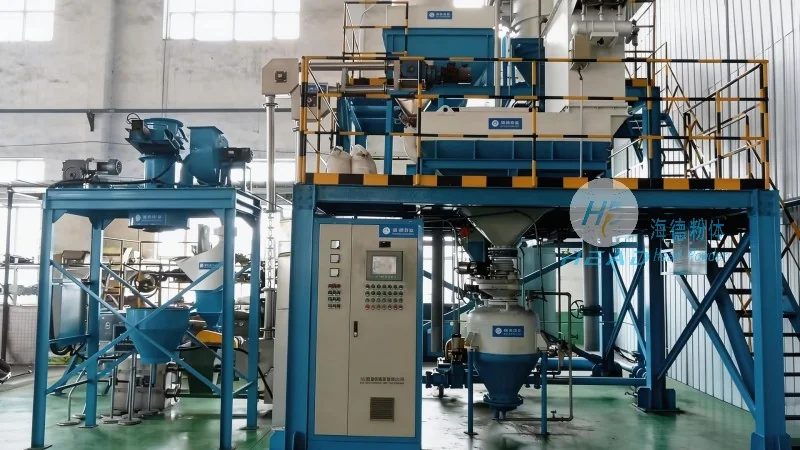
The Core Principles of Powder Conveying for Soybean Meal
At the heart of soybean meal powder conveying lies the application of pneumatic or mechanical systems designed to move bulk materials through pipelines or conveyor systems. For soybean meal, a high-protein feed ingredient, reliable and efficient transport is essential to maintain product quality and operational efficiency. The conveying process typically involves the use of air or mechanical force to move the fine particles from a source to a destination, ensuring minimal degradation and loss.
Key principles include maintaining consistent airflow or mechanical tension, controlling particle size distribution, and managing moisture content to prevent clogging or agglomeration. These factors are critical in ensuring the conveying system operates smoothly and delivers the material as intended. The design of the system, including the type of conveyor (e.g., pneumatic, screw, or bucket elevator), is tailored to the specific properties of soybean meal, such as its density, flowability, and potential for dust generation.
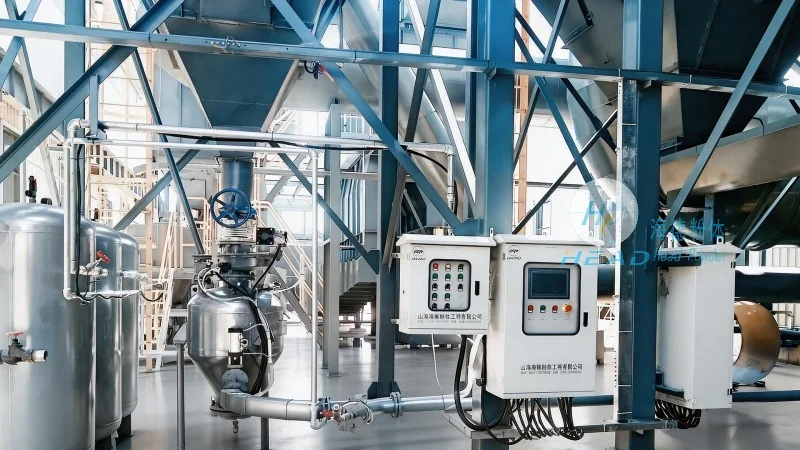
Working Scene Characteristics and Application Scenarios
The application of soybean meal powder conveying systems varies across different industrial sectors, each with unique requirements and operational conditions. In feed manufacturing plants, for example, these systems are integral to the production line, ensuring that soybean meal is delivered to mixing and processing units without interruption. The working environment in such settings often involves high volumes of material, requiring robust and durable conveying equipment capable of handling continuous operation.
In agricultural and livestock operations, portable or semi-portable conveying systems may be used to transport soybean meal from storage silos to feeding stations. These systems are designed for flexibility, allowing them to be moved between different locations as needed. The working scene characteristics in these applications emphasize mobility, ease of maintenance, and compatibility with existing infrastructure.
In industrial processing facilities, such as oil extraction plants or protein production units, the conveying of soybean meal is part of a larger material handling system. Here, the focus is on integration with other processing equipment, ensuring seamless flow from raw material reception to downstream processing steps. The working scene may involve high temperatures or specific environmental conditions, which the conveying system must be able to withstand without compromising performance.
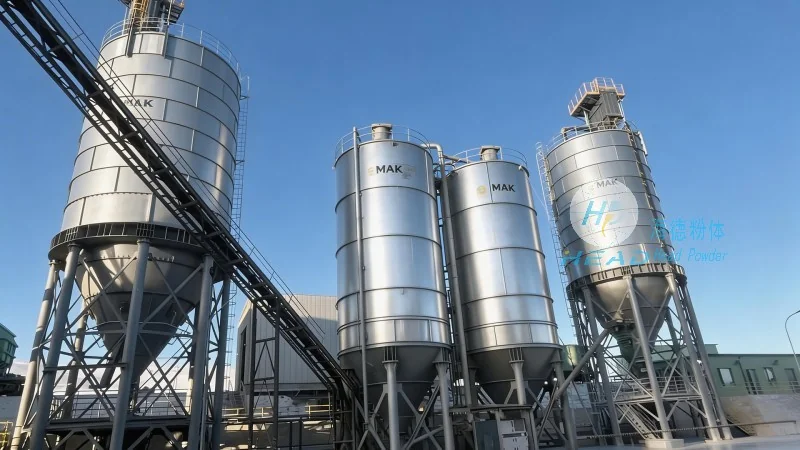
About Shandong HeadPowder Engineering Co., Ltd.
Shandong HeadPowder Engineering Co., Ltd., operating under the brand name headpowder, specializes in the design, manufacturing, and installation of advanced powder handling systems. With a focus on innovation and customer-centric solutions, the company has established itself as a leader in the field of bulk material transport. HeadPowder's expertise lies in understanding the unique challenges of handling materials like soybean meal, and developing tailored solutions that meet the specific needs of each client.
HeadPowder's facilities are located in Shandong, China, where the company leverages local resources and expertise to deliver high-quality products and services. The company's commitment to quality is reflected in its adherence to international standards and rigorous testing protocols, ensuring that all conveying systems meet the highest performance and safety requirements.




