HeadPowder, a leading engineering company based in Shandong, China, specializes in the design and implementation of advanced pneumatic conveying systems tailored for the efficient handling of white bean flakes powder. This article provides a detailed overview of the operation process and working principle of such a system, highlighting its key components, operational mechanics, and practical applications in industrial settings.
Key Components of the Pneumatic Conveying System
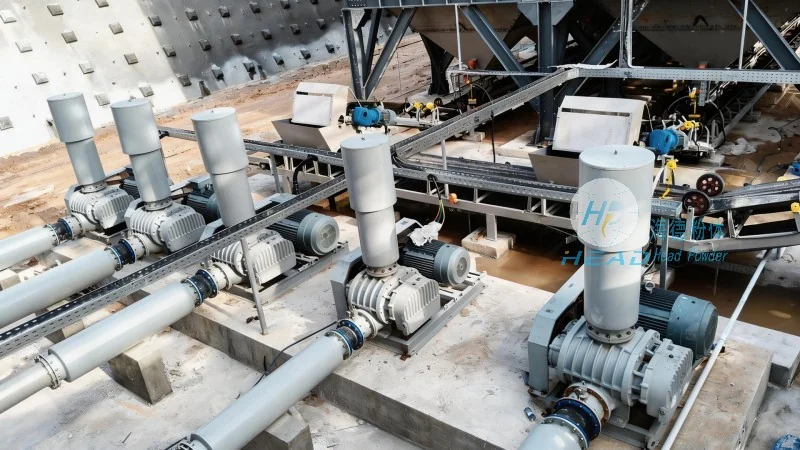
The pneumatic conveying system for white bean flakes powder typically consists of several critical components that work in tandem to ensure reliable and efficient material transport. These components include a hopper for material storage, a rotary valve or feeder to control the flow of powder, a conveying pipeline network, a positive displacement blower or air compressor to generate the necessary air pressure, and a receiver or discharge hopper for the material's final destination. Each component plays a vital role in maintaining the system's performance and preventing issues such as blockages or material degradation.
Working Principle of the Pneumatic Conveying System
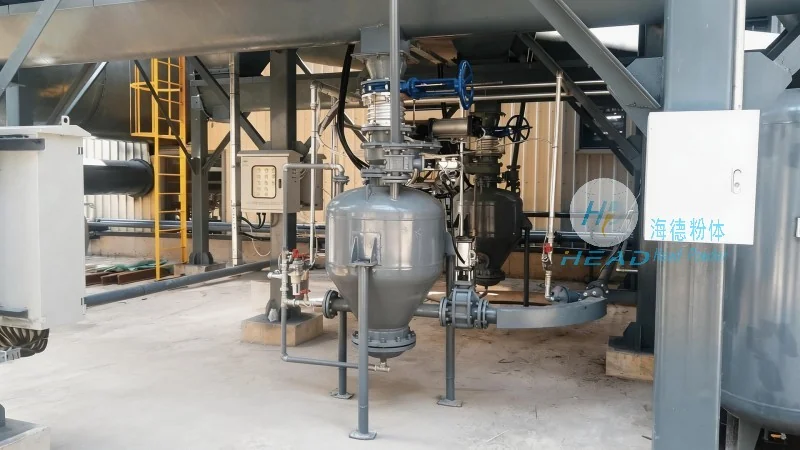
The core working principle of the pneumatic conveying system relies on the use of compressed air to transport the white bean flakes powder through the pipeline. When the system is activated, the air compressor or blower generates a high-pressure airflow that is directed into the conveying pipeline. The rotary valve or feeder then introduces the white bean flakes powder into the pipeline, where the air flow entrains the powder particles, creating a dense or dilute phase flow depending on the system design. The combination of air and powder forms a slurry-like mixture that is propelled through the pipeline to the receiver. The air pressure and flow rate are carefully controlled to ensure the powder is transported without excessive pressure drops or particle separation.
Operation Process of the Pneumatic Conveying System
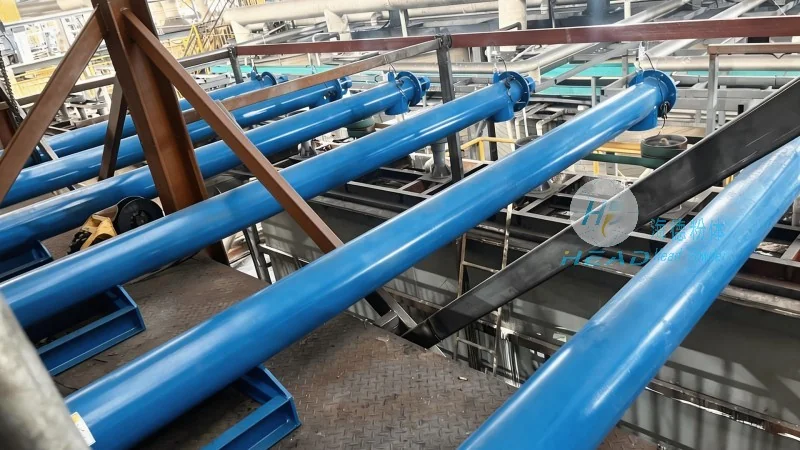
The operation process of the white bean flakes powder pneumatic conveying system involves several sequential steps that ensure smooth and continuous material handling. Initially, the hopper is filled with the white bean flakes powder, and the system is started by activating the air compressor and the rotary valve. The feeder then begins to discharge the powder into the pipeline at a controlled rate, while the air flow maintains a consistent pressure to transport the material. As the powder travels through the pipeline, it reaches the receiver, where the air is separated from the powder and either recirculated or vented, depending on the system configuration. The receiver collects the white bean flakes powder, which can then be further processed or stored. The system continuously monitors parameters such as pressure, flow rate, and material level to maintain optimal performance and detect any anomalies that may require adjustments.
Advantages of the Pneumatic Conveying System for White Bean Flakes Powder
Implementing a pneumatic conveying system for white bean flakes powder offers several advantages over traditional mechanical conveying methods. These include reduced risk of contamination due to enclosed pipelines, lower maintenance requirements compared to screw conveyors or belt systems, and the ability to handle materials with varying particle sizes and moisture content. Additionally, the system allows for flexible routing of the pipeline, enabling the powder to be transported to multiple destinations or integrated with other processing equipment. The energy efficiency of modern air compressors and the ability to control air flow precisely contribute to cost savings and environmental benefits.
Applications and Industrial Relevance
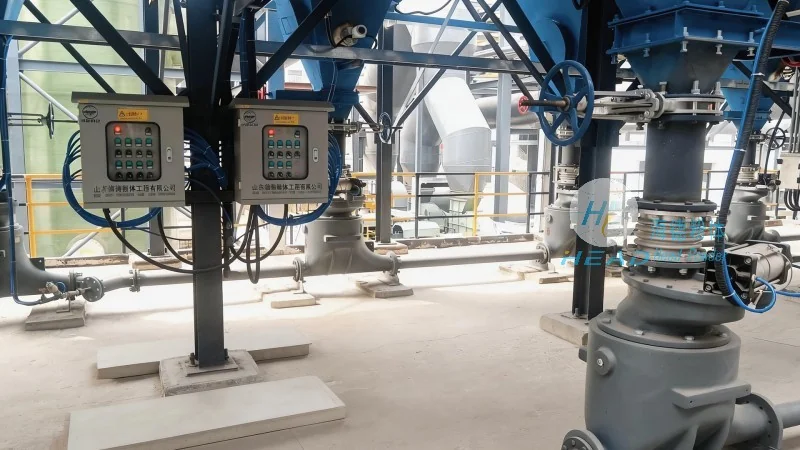
The pneumatic conveying system for white bean flakes powder is widely used in various industries, including food processing, pharmaceuticals, and chemical manufacturing. In the food industry, it is particularly valuable for handling white bean flakes powder due to its hygienic design and ability to maintain product quality during transport. The system ensures that the powder remains free from external contaminants and is transported at controlled temperatures, preserving its nutritional and sensory properties. In pharmaceutical applications, the system's enclosed design is crucial for maintaining sterile conditions and preventing cross-contamination, which is essential for meeting regulatory standards. The versatility of the system also makes it suitable for handling other fine powders, making it a reliable choice for diverse industrial needs.




