HeadPowder, a leading engineering company based in Shandong, China, specializes in the design, manufacturing, and implementation of advanced pneumatic conveying systems for various industrial applications. This article provides a detailed overview of the operation process and working principle of a coking coal particle pneumatic conveying system, highlighting the key components, operational steps, and technical aspects that ensure efficient and reliable material transport.
Key Components of the Pneumatic Conveying System
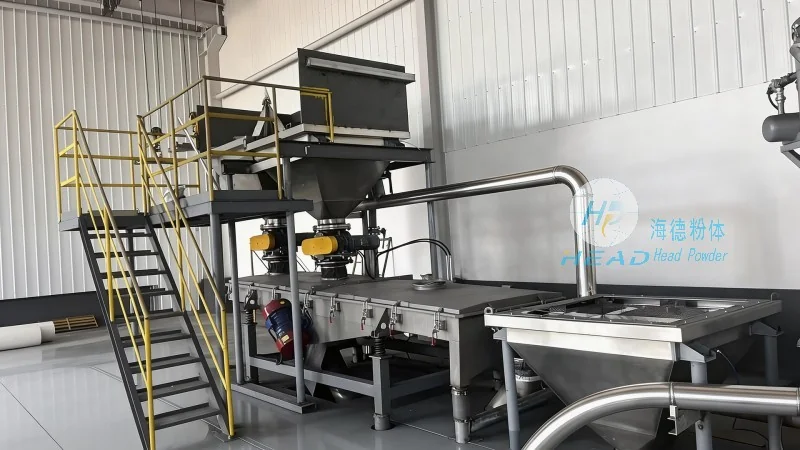
The coking coal particle pneumatic conveying system typically consists of several essential components that work in tandem to achieve effective material handling. These components include the hopper or feeder, the air compressor or blower, the pipeline system, the control valves, and the discharge equipment. Each component plays a crucial role in the overall system performance, ensuring that the coking coal particles are transported from the source to the destination without loss or degradation.
Working Principle of the Pneumatic Conveying System
The working principle of the coking coal particle pneumatic conveying system is based on the use of compressed air to create a flow of material through a pipeline. The process begins with the coking coal particles being fed into the hopper or feeder, where they are then drawn into the pipeline by the suction or pressure created by the air compressor. The compressed air, often referred to as the conveying medium, is introduced into the pipeline at a controlled rate, creating a mixture of air and particles. This mixture travels through the pipeline, with the air providing the necessary force to move the particles forward. The system may use either positive pressure (where air is pushed through the pipeline) or negative pressure (where air is drawn out of the pipeline), depending on the specific application and layout requirements.
Operation Process of the Coking Coal Particle Pneumatic Conveying System
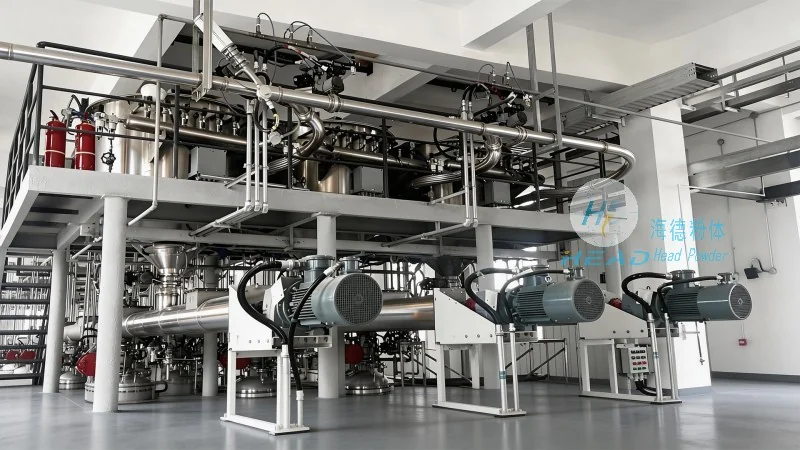
The operation process of the coking coal particle pneumatic conveying system involves several sequential steps that ensure smooth and continuous material transport. The first step is the preparation of the system, which includes checking the air compressor or blower for proper operation, verifying the integrity of the pipeline system, and ensuring that the hopper or feeder is properly loaded with coking coal particles. Once the system is prepared, the air compressor is activated, and the conveying process begins. The coking coal particles are drawn from the hopper and mixed with the compressed air, forming a slurry-like mixture that travels through the pipeline. The mixture is then discharged at the destination point, where the air and particles are separated, and the coking coal particles are collected for further processing or use. The system may also include control valves and sensors that monitor the flow rate, pressure, and other parameters to ensure optimal performance and prevent any potential issues such as blockages or overloading.
Advantages of the Coking Coal Particle Pneumatic Conveying System
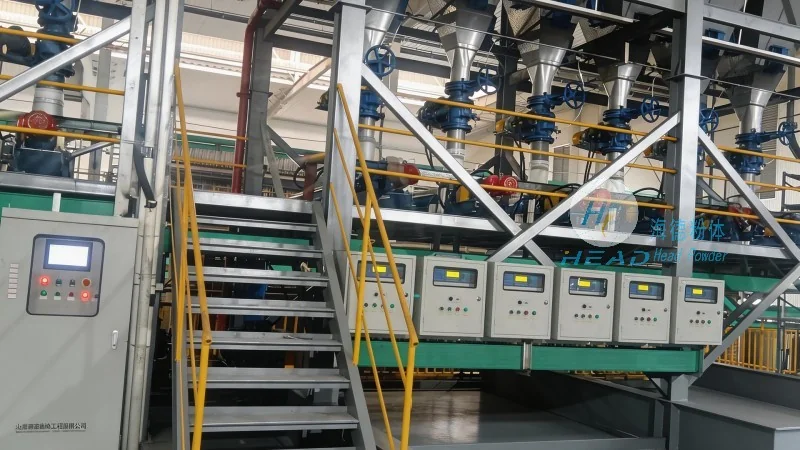
The coking coal particle pneumatic conveying system offers several advantages over traditional material handling methods, such as belt conveyors or bucket elevators. One of the primary advantages is the ability to transport coking coal particles over long distances with minimal loss or degradation. The system is also highly flexible, as it can be easily reconfigured to accommodate changes in the layout or operational requirements. Additionally, the system is relatively low maintenance, as it has fewer moving parts compared to other material handling systems. The use of compressed air as the conveying medium also allows for the transport of coking coal particles in a dust-free environment, reducing the risk of dust explosions and improving workplace safety.
Applications of the Coking Coal Particle Pneumatic Conveying System
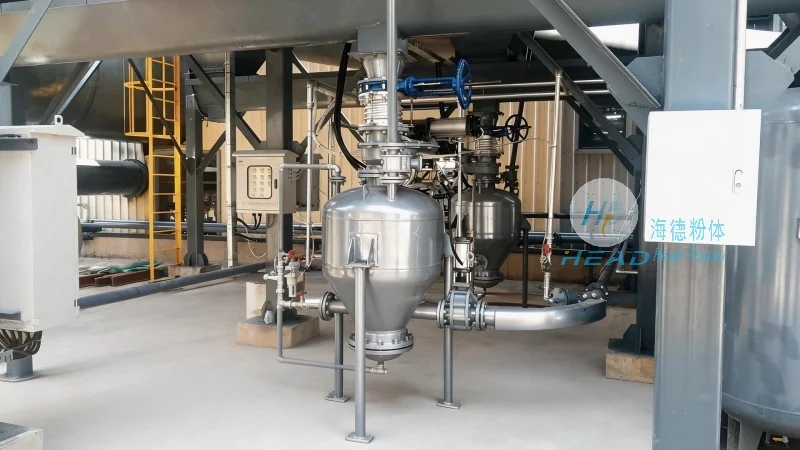
The coking coal particle pneumatic conveying system is widely used in various industrial applications, including the coking industry, power generation, and chemical processing. In the coking industry, the system is used to transport coking coal from the storage area to the coking ovens, where it is used as a raw material for producing coke. In power generation, the system is used to transport coking coal to the boilers, where it is burned to generate electricity. In chemical processing, the system is used to transport coking coal to the reactors, where it is used as a feedstock for various chemical products.
Conclusion
HeadPowder's coking coal particle pneumatic conveying system is a reliable and efficient solution for transporting coking coal particles in various industrial applications. The system's operation process and working principle are designed to ensure optimal performance, minimal loss, and high safety standards. With its advanced components and control systems, the system can be customized to meet the specific needs of different industrial applications, providing a cost-effective and sustainable solution for material handling.




