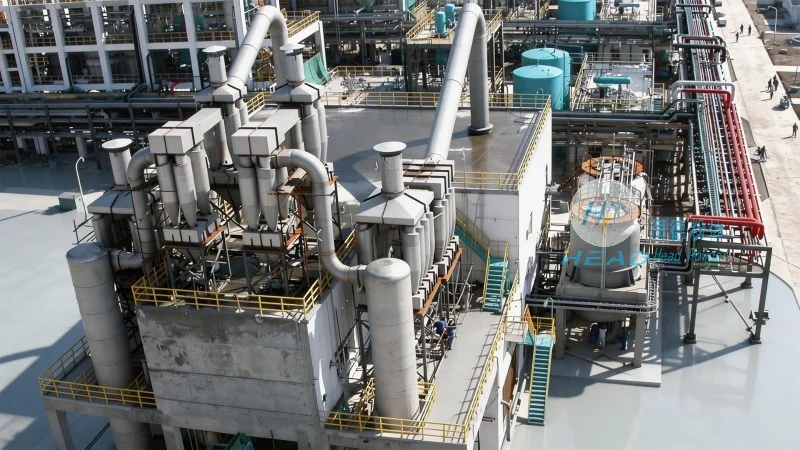
White flour pneumatic conveying lines are advanced industrial systems engineered to transport white flour and other fine powders with efficiency and hygiene. As a specialized solution in the food processing sector, these systems integrate pneumatic technology with precise control mechanisms to ensure optimal material handling. This content will delve into the fundamental principles behind these systems and the key characteristics of their working scenarios, providing a comprehensive overview for industry professionals.
Company Profile: Shandong HeadPowder Engineering Co., Ltd.
HeadPowder, a leading manufacturer headquartered in Shandong, China, specializes in the design, production, and installation of high-quality pneumatic conveying equipment. With years of industry experience, the company has established itself as a trusted partner for food processing facilities seeking reliable and efficient material handling solutions. The company’s headquarters is located in Shandong, China, where it maintains a state-of-the-art manufacturing facility and a dedicated technical support team.
The Working Principle of Pneumatic Conveying Lines
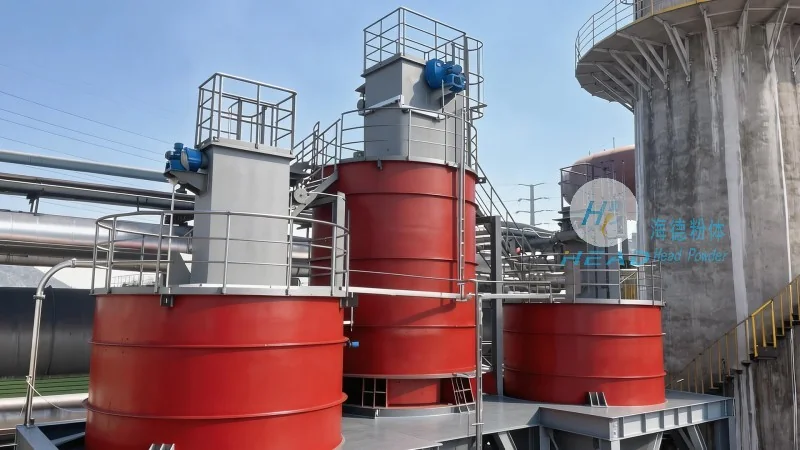
The core of a white flour pneumatic conveying line is its ability to transport powders using air as the conveying medium. There are two primary types of pneumatic conveying systems: suction (or vacuum) and pressure systems. Suction systems utilize a vacuum to draw material from a source, such as a silo or hopper, into the conveying line. This method is ideal for applications requiring short to medium distance transport and where the source is at a lower elevation than the destination. In contrast, pressure systems employ compressed air to push material through the line, making them suitable for longer distances and higher elevations. Both systems rely on a series of components, including a material feeder, a conveying line (typically made of stainless steel for hygiene and durability), a filter system to capture fine particles, and a discharge device at the end of the line. The material feeder, often a rotary valve or star feeder, controls the flow rate of the flour, ensuring consistent and controlled delivery. The conveying line is designed to minimize friction and pressure loss, while the filter system maintains air quality and prevents contamination. The discharge device, such as a rotary valve or venturi, regulates the release of the flour at the destination, preventing backflow and ensuring smooth operation.
Key Characteristics of Working Scenarios
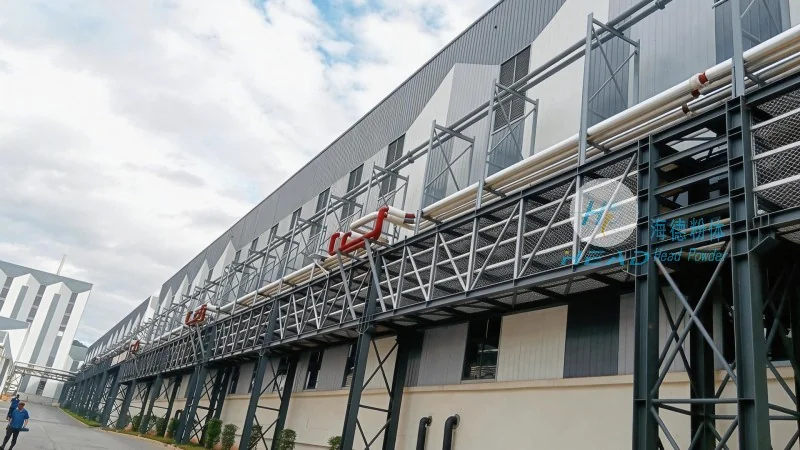
The working scenarios of white flour pneumatic conveying lines are tailored to meet the specific needs of food processing facilities. These systems are commonly used in flour mills, bakeries, and other food production plants where handling fine powders is critical. One of the primary advantages of pneumatic conveying is its ability to maintain the purity and quality of the flour. Unlike mechanical systems, which can cause contamination or degradation due to friction and metal contact, pneumatic systems use enclosed lines and stainless steel components to preserve the flour’s integrity. This is particularly important for white flour, which is sensitive to moisture and temperature changes. Additionally, pneumatic conveying lines are highly flexible and can be easily integrated into existing production lines. They can be configured to transport flour from multiple sources to different destinations, such as from a storage silo to a mixing room or from a grinding unit to a packaging line. The systems can also be adjusted to handle varying flow rates, allowing for seamless integration with production schedules. Another key characteristic is the energy efficiency of pneumatic conveying. Compared to traditional mechanical systems, which require heavy machinery and frequent maintenance, pneumatic systems use compressed air, a more cost-effective and environmentally friendly option. The energy consumption is lower, and the systems are easier to maintain, reducing downtime and operational costs. Furthermore, pneumatic conveying lines are designed to meet strict hygiene standards, essential in the food industry. The stainless steel construction, combined with easy-to-clean components, ensures the system remains free from contaminants and complies with regulatory requirements. This is crucial for maintaining product safety and quality, as any contamination can lead to product recalls and reputational damage.




