When it comes to managing slag in industrial operations, selecting the appropriate pneumatic conveying system is crucial for efficiency, safety, and operational reliability. Slag, a byproduct of metal smelting and other industrial processes, requires specialized handling solutions that can manage its characteristics such as particle size, density, and moisture content. This article aims to guide industrial facilities in choosing the right pneumatic conveying system tailored to their specific slag handling needs, with insights from Shandong HeadPowder Engineering Co., Ltd., a leading provider in the field.
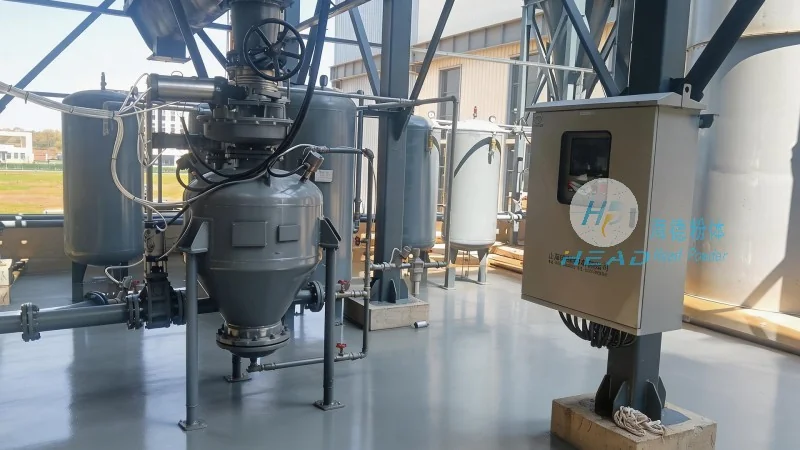
Understanding the Role of Pneumatic Conveying in Slag Handling
Pneumatic conveying systems utilize air or other gases to transport bulk materials like slag through a pipeline network. This method offers several advantages over traditional mechanical conveying, including reduced equipment wear, lower maintenance costs, and the ability to handle materials with varying properties. For slag, which can be abrasive and potentially hazardous, a well-designed pneumatic system ensures safe and efficient transport from the point of generation to storage or processing units. The choice of system type—such as dilute-phase, dense-phase, or hybrid—depends on factors like the distance to be covered, the volume of slag, and the required velocity to prevent material degradation.
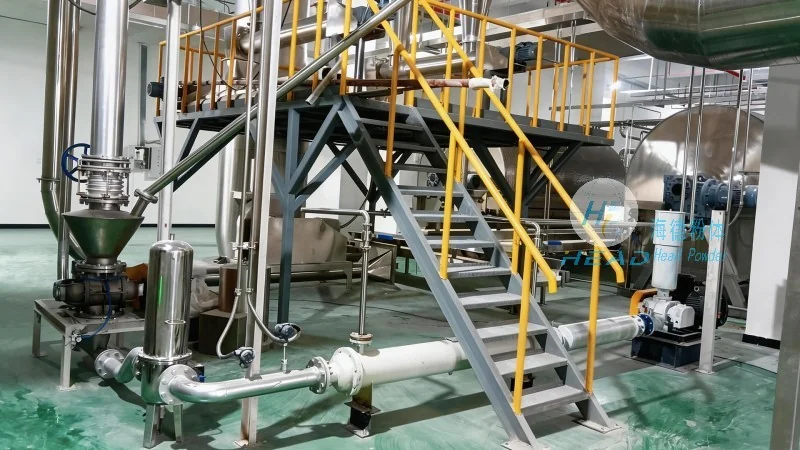
Key Factors to Consider When Choosing a Pneumatic Conveying System for Slag
Several critical factors must be evaluated when selecting a pneumatic conveying system for slag applications. First, the physical properties of the slag itself are paramount. Particle size distribution, density, and moisture content directly impact the system's design. For example, fine-grained slag may require a dilute-phase system with higher air velocities to prevent clogging, while coarser slag might benefit from a dense-phase system that uses lower air velocities and higher material concentrations. Second, the distance and layout of the conveying route are important considerations. Longer distances may necessitate booster stations or larger diameter pipelines to maintain material flow. Third, operational requirements such as the need for dust control, material recovery, or integration with existing equipment also influence the system's configuration. Additionally, safety considerations, including explosion-proof designs for potentially hazardous slag, must be addressed to comply with industrial regulations.
Types of Pneumatic Conveying Systems for Slag Handling
There are primarily two types of pneumatic conveying systems used in slag handling: dilute-phase and dense-phase. Dilute-phase systems operate by transporting material suspended in a high-velocity air stream, typically at velocities of 20-30 meters per second. This method is suitable for short to medium distances and for materials that are non-abrasive or have low dust generation. Dense-phase systems, on the other hand, transport material in a low-velocity air stream with a higher material concentration, often at velocities of 5-10 meters per second. This approach is ideal for longer distances, as it reduces wear on equipment and minimizes material degradation. Hybrid systems combine elements of both dilute and dense-phase operation, offering flexibility for varying operational conditions. Shandong HeadPowder Engineering Co., Ltd. specializes in designing and manufacturing customized pneumatic conveying systems that can accommodate these different types based on the specific requirements of each slag handling project.
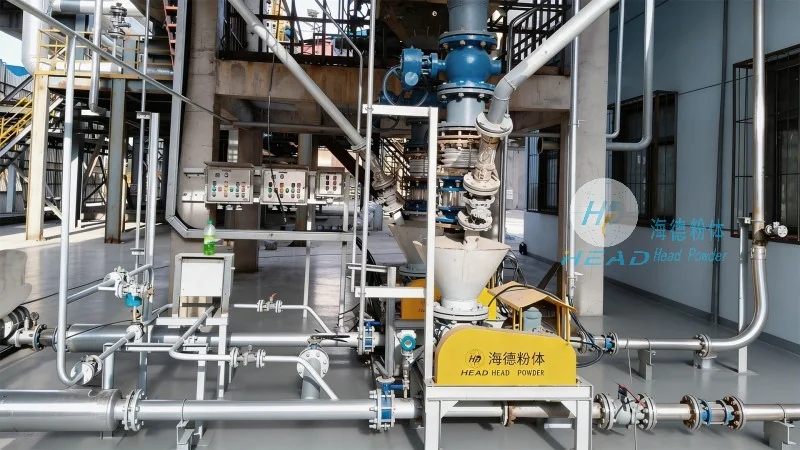
Customization and Integration by Shandong HeadPowder Engineering Co., Ltd.
Shandong HeadPowder Engineering Co., Ltd. is a reputable company based in Shandong, China, dedicated to providing tailored pneumatic conveying solutions for industrial applications. With years of experience in the field, the company understands the unique challenges of handling slag and offers comprehensive services from system design and engineering to installation and maintenance. Their team of experts works closely with clients to assess their specific needs, including the type and volume of slag, the distance to be covered, and any integration requirements with existing facilities. The company's customized solutions ensure that the selected pneumatic conveying system is optimized for performance, efficiency, and safety, meeting the stringent standards of industrial operations. By partnering with HeadPowder, industrial facilities can enhance their slag handling processes, reduce operational costs, and improve overall productivity.




