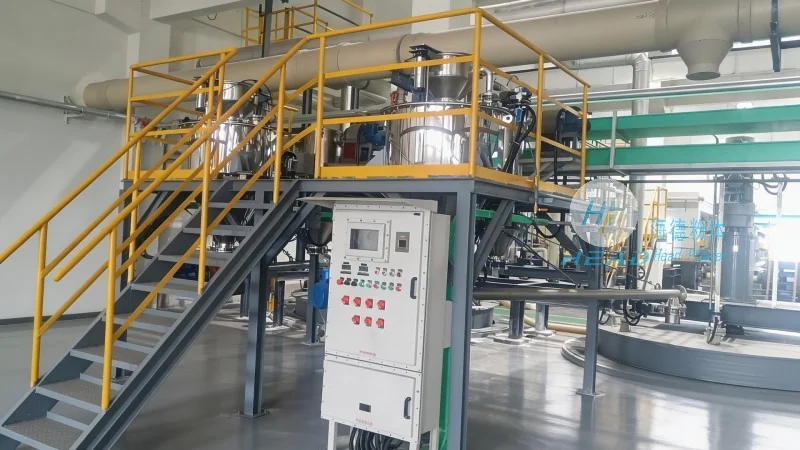
When it comes to transporting ammonium chloride efficiently and safely, the design of a pneumatic conveying system plays a critical role. A well-engineered system not only ensures optimal performance but also minimizes operational risks and maintenance costs. This article provides a comprehensive guide on how to design a rational ammonium chloride pneumatic conveying system, covering key considerations from system selection to component integration.
Understanding the Core Requirements for Ammonium Chloride Pneumatic Conveying
Before diving into the design process, it's essential to understand the unique properties of ammonium chloride and the operational demands of the application. Ammonium chloride is a white crystalline salt with a relatively high density and moderate abrasiveness. Its handling requires a system that can manage these characteristics effectively. Key factors to consider include the material's flowability, dust generation potential, and the required conveying distance and throughput. These parameters directly influence the choice of system type, such as positive pressure, negative pressure, or hybrid systems.
Selecting the Right Pneumatic Conveying System Type
The first critical decision in system design is choosing the appropriate pneumatic conveying type. For ammonium chloride, both positive pressure and negative pressure systems are viable, each with distinct advantages and limitations. Positive pressure systems, which use a blower to push material through the pipeline, are generally more suitable for long-distance or high-capacity applications. They offer better control over material flow and can handle more abrasive materials with less wear on components. Negative pressure systems, on the other hand, use a vacuum to draw material into the system, which is often preferred for short-distance or dusty environments as they minimize dust emissions at the source. The choice between these systems should be based on factors like the conveying distance, material properties, and environmental regulations.
Designing the Pipeline and Component Layout
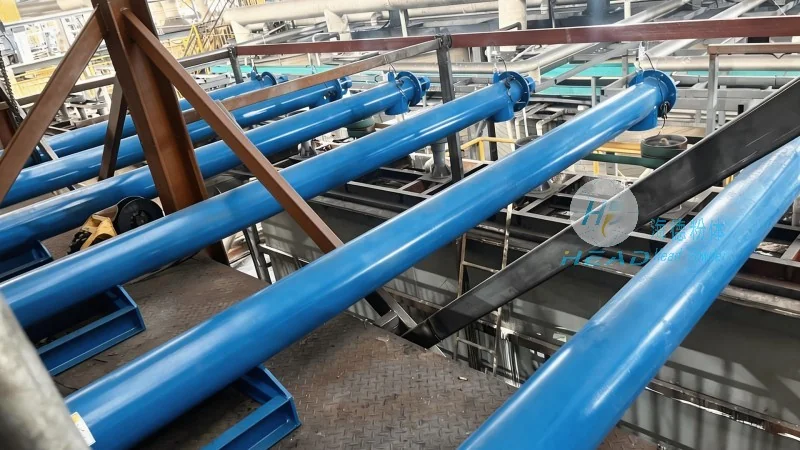
Once the system type is determined, the next step is to design the pipeline layout and select the appropriate components. The pipeline diameter is a key factor, as it directly impacts the system's capacity and pressure drop. For ammonium chloride, a larger diameter is often recommended to reduce friction losses and prevent material buildup. The pipeline should be designed with smooth, corrosion-resistant materials, such as stainless steel or polyethylene, to withstand the chemical properties of ammonium chloride and minimize wear. Components like bends, elbows, and expansion joints must be carefully selected to ensure minimal pressure loss and prevent material blockages. The layout should also consider the need for cleaning and maintenance access points, ensuring that the system can be easily serviced without disrupting operations.
Choosing the Appropriate Air Source and Control System
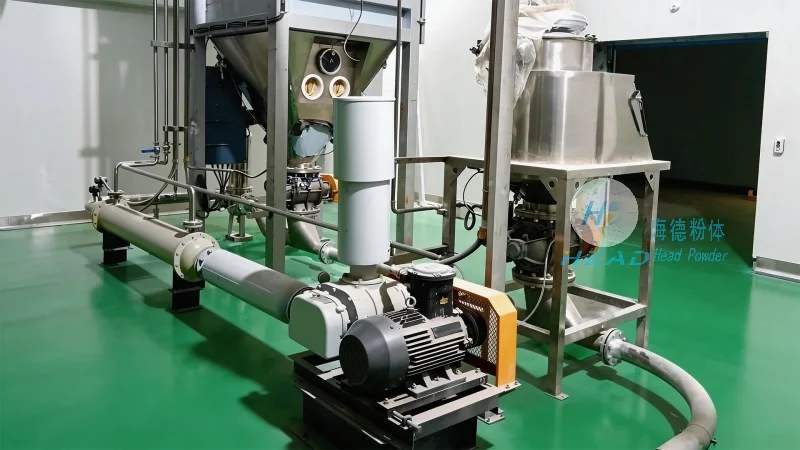
The air source is a critical component of any pneumatic conveying system, as it provides the necessary pressure and flow to move the material. For positive pressure systems, a centrifugal or positive displacement blower is typically used, while negative pressure systems often employ a vacuum pump. The air source must be sized to meet the system's required airflow and pressure, taking into account the material's density and the pipeline length. The control system is equally important, as it regulates the air flow and pressure to maintain consistent material transport. Advanced control systems can provide real-time monitoring and adjustments, ensuring optimal performance and preventing system failures. The choice of air source and control system should be based on the system's capacity, operating pressure, and the need for energy efficiency.
Implementing Dust Control and Safety Measures
Ammonium chloride is a fine powder that can generate significant dust during handling, which poses health and safety risks. Therefore, dust control is a critical aspect of system design. The system should include dust collection and filtration systems to capture and remove airborne particles. These systems can be integrated with the conveying pipeline, using cyclones or baghouse filters to ensure effective dust removal. Additionally, the system should be equipped with safety features such as pressure relief valves, explosion-proof components, and emergency shutdown mechanisms. These measures help to prevent accidents and ensure compliance with safety regulations. Proper ventilation and housekeeping practices should also be implemented to maintain a safe working environment.
Ensuring System Reliability and Maintenance
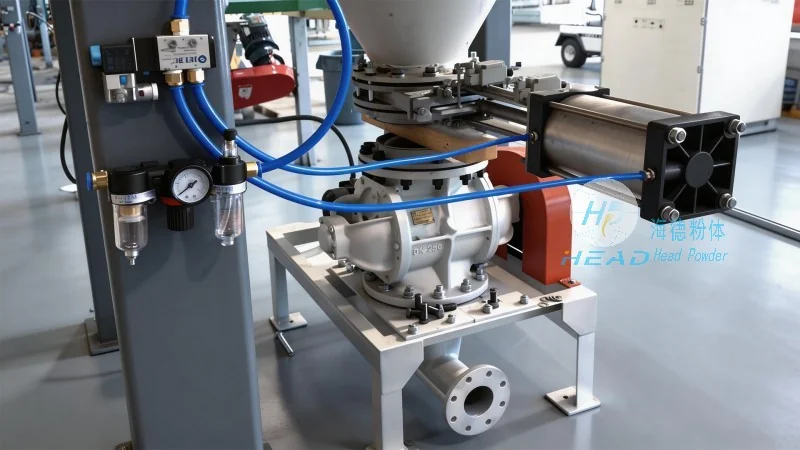
A well-designed pneumatic conveying system for ammonium chloride should be reliable and easy to maintain. Regular maintenance is essential to ensure the system operates efficiently and safely. This includes routine checks of components like the air source, pipeline, and control system, as well as cleaning and replacement of filters and other wear parts. The system should be designed with easy access to maintenance points, reducing downtime and maintenance costs. Additionally, the use of high-quality materials and components can extend the system's lifespan and reduce the need for frequent repairs. By prioritizing reliability and maintenance, the system can provide long-term performance and cost savings.
Conclusion: Partnering with HeadPowder for Expert System Design
Designing a rational ammonium chloride pneumatic conveying system requires a deep understanding of material properties, system principles, and operational requirements. At Shandong HeadPowder Engineering Co., Ltd., we specialize in providing comprehensive engineering solutions for pneumatic conveying systems. With our expertise in system design, component selection, and installation, we help clients achieve efficient, safe, and cost-effective material transport. Our team of experienced engineers works closely with clients to understand their specific needs and develop customized solutions that meet their operational goals. Whether you are looking to upgrade an existing system or design a new one, HeadPowder is your trusted partner for reliable ammonium chloride pneumatic conveying solutions. Contact us today to learn more about our services and how we can help you optimize your material handling processes.




