When it comes to handling molybdenum oxide, selecting the right pneumatic conveying system is crucial for ensuring efficiency, safety, and cost-effectiveness. As a leading engineering firm in China, Shandong HeadPowder Engineering Co., Ltd. specializes in providing tailored solutions for material handling, including the design of molybdenum oxide pneumatic conveying systems. This article outlines the key factors and steps involved in designing a reliable and efficient system for transporting molybdenum oxide.
Understanding the Core Requirements for Molybdenum Oxide Pneumatic Conveying
Molybdenum oxide, with its specific physical and chemical properties, demands a system that can handle its particle size, density, and flow characteristics effectively. The first step in system design is to assess the material's properties, such as particle size distribution, bulk density, and moisture content. These parameters directly influence the selection of air velocity, pressure, and system components. For instance, fine molybdenum oxide particles may require higher air velocities to prevent blockages, while larger particles might need lower velocities to maintain system efficiency. Additionally, the system must consider the material's reactivity and potential for dust generation, as these factors impact safety measures and equipment selection.
Key Components of a Molybdenum Oxide Pneumatic Conveying System
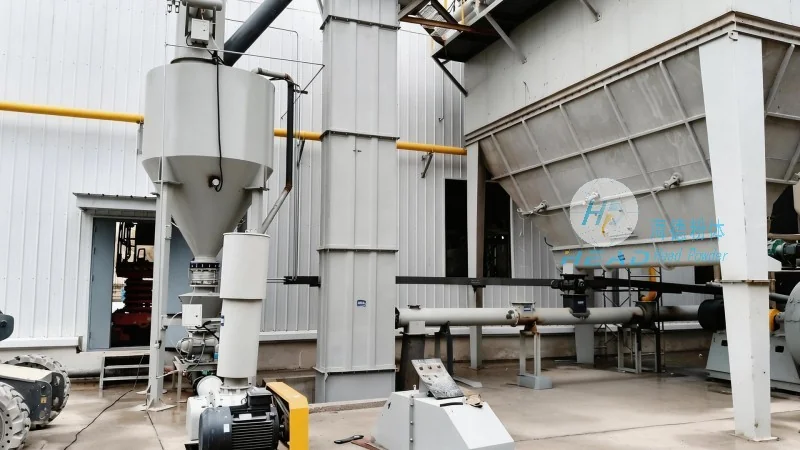
A well-designed molybdenum oxide pneumatic conveying system typically consists of several critical components. The primary elements include a material feed hopper, a rotary airlock valve, a conveying line (often with bends and expansion joints), a dust collector or filter system, and a receiver for the material. The feed hopper is designed to store the molybdenum oxide and feed it into the system at a controlled rate, preventing overloading and ensuring consistent flow. The rotary airlock valve acts as a seal between the hopper and the conveying line, preventing backflow and maintaining system pressure. The conveying line must be sized appropriately to handle the material's flow rate and air velocity, with bends and expansion joints included to accommodate changes in direction and pressure. The dust collector or filter system is essential for capturing any airborne particles, ensuring compliance with environmental regulations and maintaining a safe working environment. Finally, the receiver collects the material at the end of the conveying line, allowing for storage or further processing.
Designing the Airflow and Pressure System
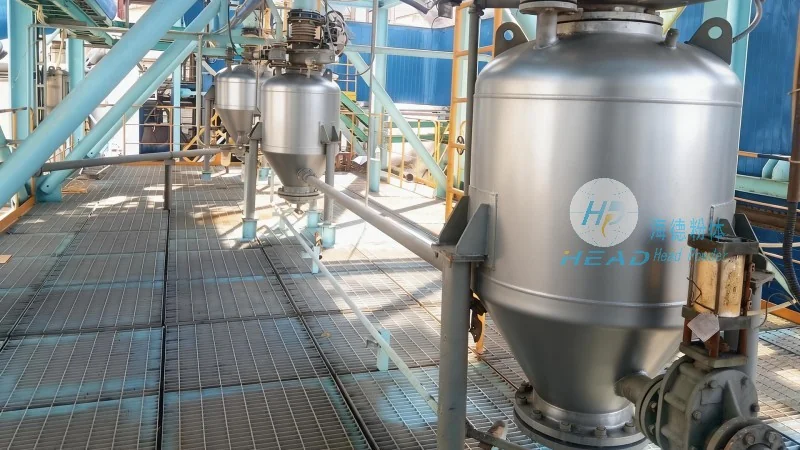
One of the most critical aspects of molybdenum oxide pneumatic conveying system design is determining the appropriate airflow and pressure. The air velocity must be high enough to keep the material in suspension but not so high as to cause excessive wear on components or energy waste. The pressure system can be either positive (pressure) or negative (vacuum), with positive systems being more common for molybdenum oxide due to their ability to handle longer distances and higher material loads. The design process involves calculating the required air volume and pressure based on the material's properties, system length, and number of bends. Engineers at Shandong HeadPowder Engineering Co., Ltd. use advanced software and empirical data to optimize these parameters, ensuring the system operates at peak efficiency while minimizing energy consumption.
Material Handling and Safety Considerations
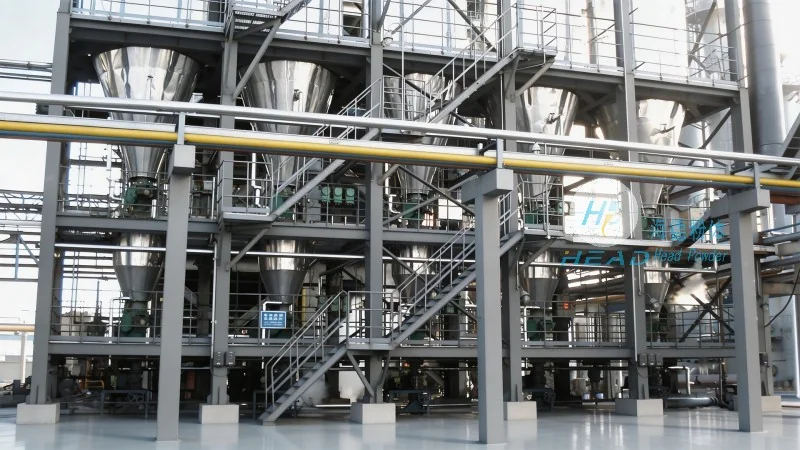
Handling molybdenum oxide requires strict adherence to safety protocols to protect personnel and equipment. The system design must include features such as explosion-proof components, dust suppression systems, and proper ventilation to mitigate the risk of dust explosions. Additionally, the material feed and discharge points should be equipped with protective enclosures to prevent exposure to airborne particles. The system must also comply with local regulations regarding material handling and environmental protection. Shandong HeadPowder Engineering Co., Ltd. incorporates all necessary safety measures into their designs, ensuring that the system not only meets performance requirements but also maintains a safe working environment for operators.
Customization and Maintenance Planning
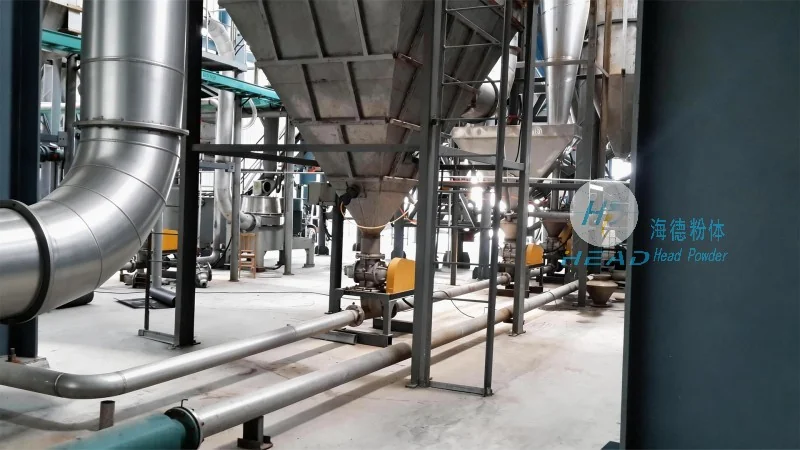
Every molybdenum oxide pneumatic conveying system is unique, and a one-size-fits-all approach is not effective. Shandong HeadPowder Engineering Co., Ltd. offers customized solutions tailored to the specific needs of each client, considering factors such as the scale of operation, material flow rates, and budget constraints. The design process involves close collaboration with the client to understand their operational requirements and provide a solution that meets their long-term goals. Additionally, maintenance planning is a critical part of system design, as regular maintenance is essential for ensuring the system's longevity and performance. The system should be designed with easy access to components for maintenance, and spare parts should be readily available to minimize downtime. By incorporating maintenance planning into the design phase, Shandong HeadPowder Engineering Co., Ltd. helps clients achieve optimal system performance and reduce long-term operational costs.
Conclusion: Achieving Optimal Performance with Professional Design
Designing a molybdenum oxide pneumatic conveying system requires a comprehensive approach that considers material properties, system components, airflow, and safety. By leveraging the expertise of companies like Shandong HeadPowder Engineering Co., Ltd., clients can ensure that their system is designed for optimal performance, efficiency, and safety. The key to a successful system lies in understanding the specific needs of the material and the operational environment, and then designing a system that meets those needs effectively. With proper planning and execution, a molybdenum oxide pneumatic conveying system can provide reliable and cost-effective material handling for years to come.




