When it comes to transporting nickel powder, selecting the right conveying method is crucial for ensuring efficiency, safety, and product integrity. Various options are available, each with its own set of advantages and limitations. Understanding these common methods helps industrial operators choose the most suitable solution for their specific needs.
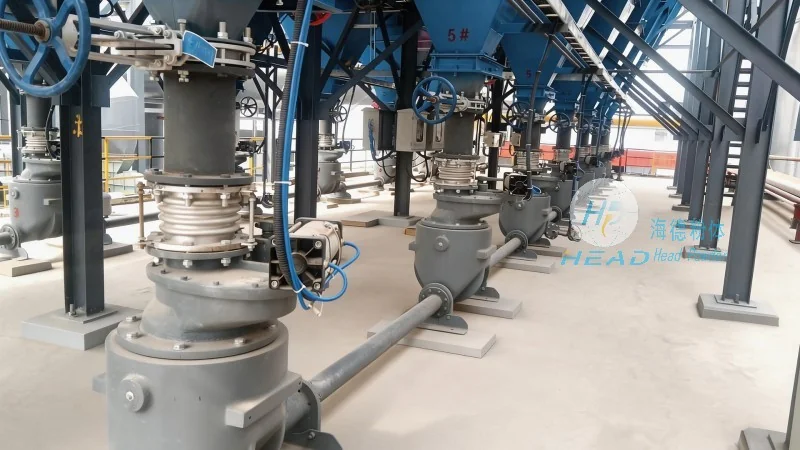
Overview of Common Nickel Powder Conveying Methods
Traditional nickel powder conveying methods include gravity flow, mechanical systems like screw conveyors or belt conveyors, and pneumatic systems. Gravity flow relies on the natural weight of the material to move it down a sloped pipe or chute, which is simple but limited by the angle of inclination and the material's flow characteristics. Mechanical conveyors use rotating components or moving belts to transport the powder, offering better control over flow rates and direction. However, they may face challenges with fine powders, which can cause clogging or uneven distribution. Pneumatic conveying, on the other hand, uses air pressure to move the powder through a pipeline, providing a flexible and efficient solution for many applications.
HeadPowder's Pneumatic Conveying Technology: A Superior Solution
Shandong HeadPowder Engineering Co., Ltd., a leading manufacturer in the field, specializes in advanced pneumatic conveying systems tailored for nickel powder handling. The company's approach combines innovative design with robust engineering to address the unique challenges of transporting fine, abrasive, or reactive nickel powders. Key advantages of HeadPowder's technology include high conveying efficiency, minimal product degradation, and reduced risk of contamination. The systems are designed to handle a wide range of particle sizes and flow rates, ensuring consistent performance even under varying operational conditions.
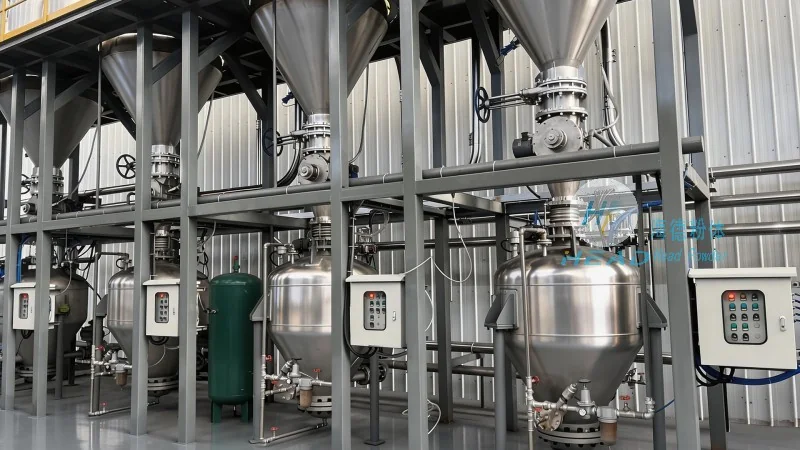
Key Features of HeadPowder's Pneumatic Conveying Systems
HeadPowder's pneumatic conveying solutions are equipped with several features that enhance their performance and reliability. One of the standout aspects is the use of positive displacement blowers or rotary lobe pumps, which provide consistent air pressure and flow, preventing fluctuations that can affect material transport. The system incorporates high-quality materials, such as stainless steel or specialized alloys, to resist corrosion and wear from nickel powder, ensuring long-term durability. Additionally, the design includes advanced control systems that allow for real-time monitoring and adjustment of conveying parameters, optimizing energy usage and operational efficiency.
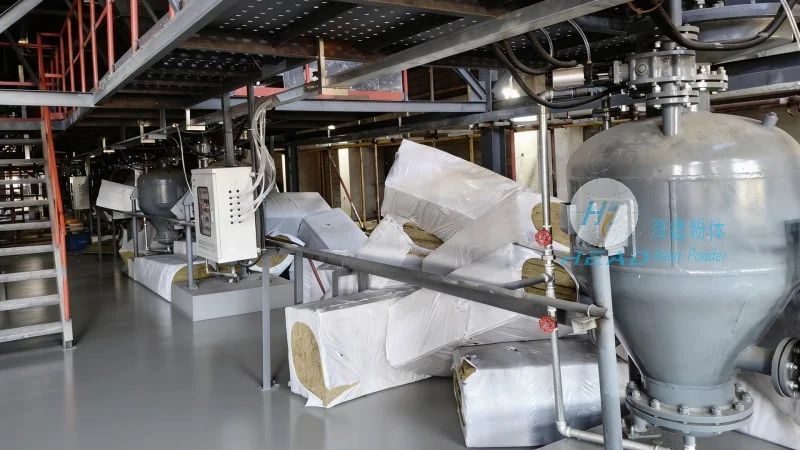
Benefits for Nickel Powder Handling Operations
Implementing HeadPowder's pneumatic conveying technology offers several benefits for industrial operations. Firstly, it significantly reduces labor costs by automating the material handling process, minimizing the need for manual handling of potentially hazardous or heavy nickel powders. Secondly, the system minimizes product loss and contamination, which is critical for maintaining the quality of nickel powders used in high-value applications like battery manufacturing or aerospace components. Thirdly, the compact design of the systems allows for easy integration into existing production lines, without requiring extensive modifications to the facility layout. This flexibility makes it an ideal choice for both new installations and retrofit projects.
Conclusion: Choosing the Right Conveying Method for Nickel Powder
For industrial applications involving nickel powder, the choice of conveying method directly impacts operational efficiency, product quality, and safety. While traditional methods like gravity or mechanical conveyors have their uses, pneumatic systems, particularly those offered by HeadPowder, provide a superior solution for modern production needs. By leveraging advanced technology and robust engineering, HeadPowder's pneumatic conveying systems ensure reliable, efficient, and safe transport of nickel powder, supporting the success of industrial operations worldwide.




