Hydroxide cobalt, a critical material in various industrial applications, often requires efficient and reliable transport methods. The hydroxide cobalt pneumatic conveying system is a specialized solution designed to handle this material with precision and safety. This system leverages pneumatic technology to move hydroxide cobalt from one location to another, ensuring minimal product degradation and optimal operational efficiency. As a result, it is widely adopted in industries such as battery manufacturing, chemical processing, and mining, where the purity and consistency of hydroxide cobalt are paramount for downstream processes.
Key Components and Their Functions
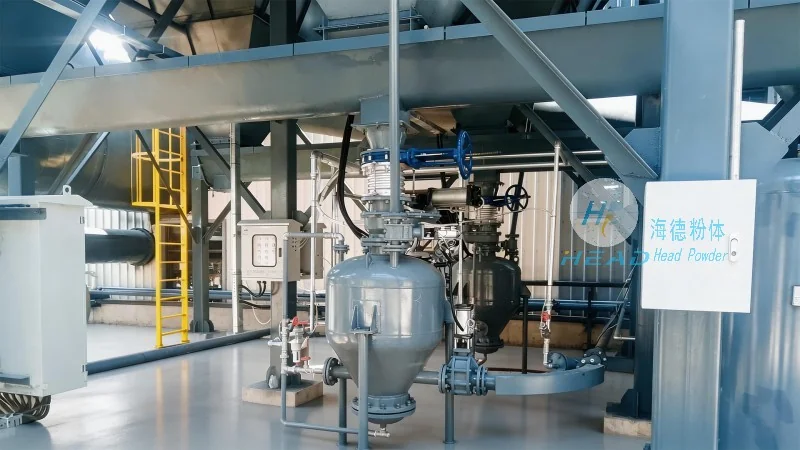
The hydroxide cobalt pneumatic conveying system comprises several essential components, each playing a crucial role in the overall operation. The primary components include the feed hopper, which stores the hydroxide cobalt and regulates the material flow into the system. The feeder, typically a rotary valve or a screw feeder, controls the discharge rate of the material, ensuring a consistent and controlled feed. The conveying line, constructed from stainless steel or other corrosion-resistant materials, is designed to withstand the chemical properties of hydroxide cobalt and prevent material buildup or corrosion. The air compressor or blower provides the necessary pressure to move the material through the line, with adjustable pressure settings to accommodate different material characteristics. Additionally, the system may include filters, cyclones, or dust collectors to remove any airborne particles and protect the equipment from wear. These components work in harmony to ensure the efficient and safe transport of hydroxide cobalt.
Design Principles for Optimal Performance
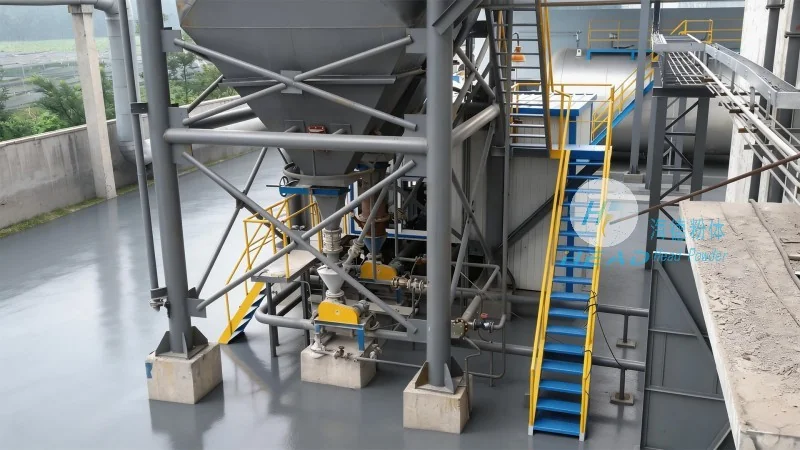
The design of a hydroxide cobalt pneumatic conveying system follows several fundamental principles to achieve high performance and reliability. First, the system must be tailored to the specific properties of hydroxide cobalt, including its particle size distribution, moisture content, and reactivity. This involves selecting appropriate materials for the equipment, such as stainless steel or special alloys, to prevent corrosion and maintain product quality. Second, the system must maintain a stable pressure and flow rate to avoid blockages or excessive wear on components. This is achieved through precise control of the feeder and air compressor, as well as proper sizing of the conveying line based on the material's characteristics. Third, the system incorporates safety features to protect operators and the environment. These include explosion-proof designs, dust collection systems, and emergency shut-off mechanisms to prevent accidents and ensure compliance with safety regulations. Finally, the design emphasizes ease of maintenance and cleaning, as hydroxide cobalt can be abrasive and may leave residue in the equipment. Regular cleaning and maintenance are essential to prolong the system's lifespan and maintain operational efficiency.
Benefits and Advantages
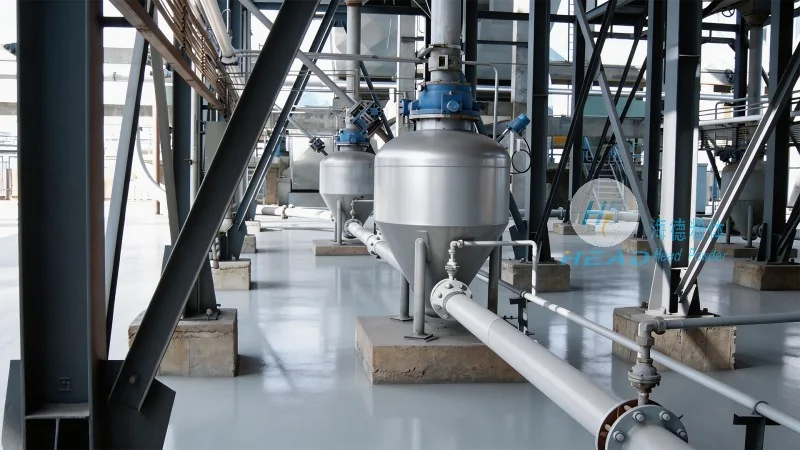
Implementing a hydroxide cobalt pneumatic conveying system offers significant advantages for industrial operations. One of the primary benefits is the ability to transport hydroxide cobalt over long distances with minimal human intervention, reducing labor costs and improving operational efficiency. The system ensures a consistent and controlled flow of material, which is crucial for downstream processes such as mixing, drying, or packaging. Additionally, the pneumatic conveying method minimizes product contamination and degradation, preserving the quality of hydroxide cobalt for its intended applications. The system is also more flexible than traditional bulk handling methods, allowing for easy adjustments in production volume or material type. Furthermore, the use of corrosion-resistant materials and proper design reduces maintenance costs and extends the lifespan of the equipment. Overall, the hydroxide cobalt pneumatic conveying system enhances productivity, improves product quality, and ensures operational safety in industrial settings.




