Understanding sand pneumatic conveying systems is crucial for industries that handle bulk materials efficiently. These systems, often referred to as sand pneumatic conveying equipment, are engineered to transport sand and similar granular materials through a pipeline using air pressure or vacuum. The technology has revolutionized material handling in construction, mining, and manufacturing sectors by offering a dust-free, continuous, and flexible solution compared to traditional methods like belt conveyors or bucket elevators.
Key Components of Sand Pneumatic Conveying Systems
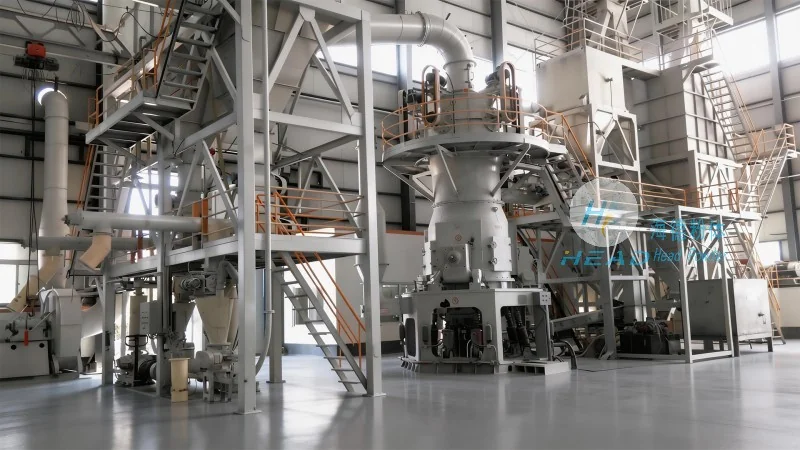
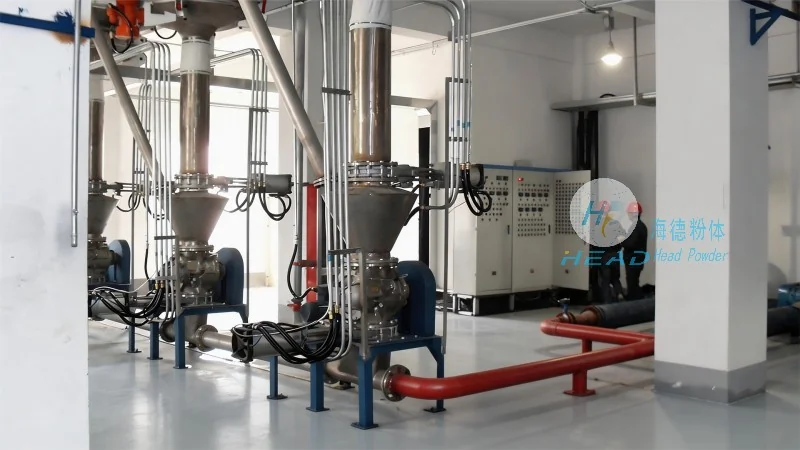
A typical sand pneumatic conveying system consists of several critical components that work in harmony to ensure effective material transport. The main elements include a hopper or feeder for material storage and feeding, a conveyor line (usually a pipe), a blower or vacuum pump to generate the air flow, and a receiver or discharge unit where the material is deposited. Each component plays a vital role in maintaining the system's efficiency and reliability. The hopper ensures a consistent feed rate, preventing blockages and ensuring smooth material flow. The conveyor line, often made of stainless steel or other corrosion-resistant materials, is designed to withstand the abrasive nature of sand particles. The blower or vacuum pump provides the necessary pressure or suction to move the material through the pipe, while the receiver collects the conveyed sand and allows for easy discharge into the final destination.
Design Principles Behind Sand Pneumatic Conveying Equipment
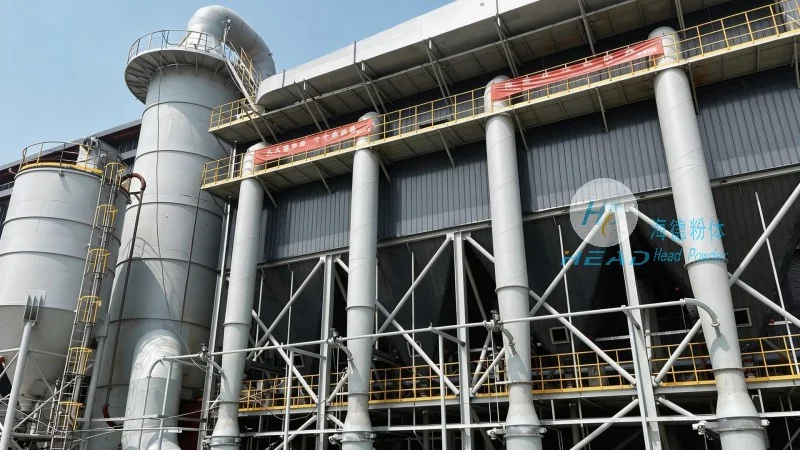
The design principles of sand pneumatic conveying systems are rooted in fluid dynamics and material science. Engineers at Shandong HeadPowder Engineering Co., Ltd. focus on optimizing the system's performance by considering factors such as particle size, density, and moisture content of the sand. The system's design aims to minimize pressure drop along the conveyor line, which directly impacts the energy consumption and overall efficiency. By selecting the appropriate pipe diameter, velocity, and air flow rate, the system can achieve optimal transport efficiency while reducing wear and tear on components. Additionally, the design incorporates features like pulse-jetting or cyclone separators to prevent material buildup and ensure continuous operation. These principles are applied to create systems that are not only efficient but also durable and low-maintenance, making them ideal for long-term industrial use.
Advantages of Using Sand Pneumatic Conveying Systems
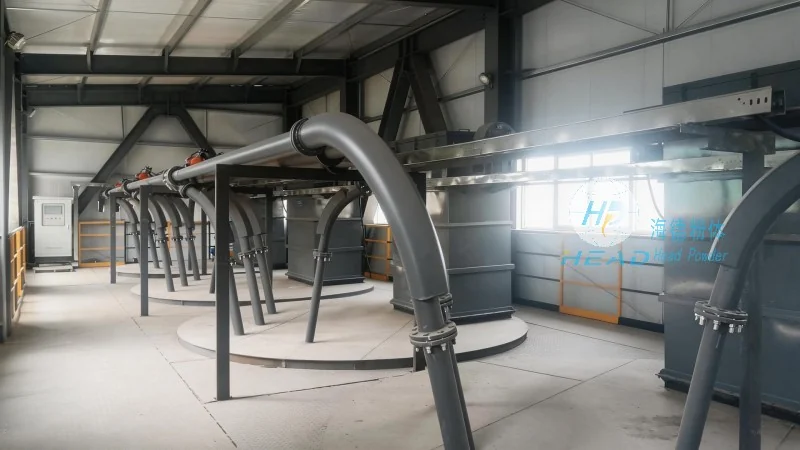
Compared to traditional material handling methods, sand pneumatic conveying systems offer several distinct advantages. One of the most significant benefits is the ability to transport sand in a dust-free environment, which enhances workplace safety and reduces the risk of respiratory issues for workers. The systems also provide a flexible and scalable solution, as the pipeline can be easily reconfigured or extended to accommodate changes in production needs. Furthermore, pneumatic conveying systems are capable of transporting materials over longer distances without the need for multiple transfer points, which simplifies the overall material flow process. The continuous operation of these systems also leads to higher productivity and reduced downtime compared to batch processing methods. For industries dealing with sand, these advantages translate into improved operational efficiency, lower maintenance costs, and enhanced safety standards.
Applications and Industries Utilizing Sand Pneumatic Conveying Equipment
Sand pneumatic conveying equipment is widely used across various industries that require the efficient handling of bulk materials. In the construction industry, these systems are commonly employed to transport sand for concrete mixing and mortar production. The mining sector utilizes them to move sand and other minerals from processing plants to storage facilities or for further processing. Manufacturing industries, particularly those involved in foundry operations, also rely on pneumatic conveying systems to transport sand for casting and molding processes. Additionally, the agriculture and food processing industries may use modified versions of these systems to handle sand or other granular materials in processing lines. The versatility of sand pneumatic conveying equipment makes it a valuable asset in any operation where bulk material transport is a critical component of the production process.
Conclusion: The Role of Shandong HeadPowder Engineering Co., Ltd. in Sand Pneumatic Conveying Solutions
Shandong HeadPowder Engineering Co., Ltd. plays a pivotal role in providing advanced sand pneumatic conveying systems that meet the diverse needs of modern industries. By combining innovative design principles with robust engineering, the company delivers solutions that enhance operational efficiency, improve safety, and reduce costs for its clients. The company's expertise in fluid dynamics and material handling ensures that each system is tailored to the specific requirements of the application, whether it involves high-volume transport over long distances or precise material handling in sensitive environments. As industries continue to seek more efficient and sustainable material handling solutions, sand pneumatic conveying equipment remains a key technology, and companies like Shandong HeadPowder Engineering Co., Ltd. are at the forefront of developing and implementing these solutions to meet evolving industry demands.




