Understanding the dry flue gas desulfurization (FGD) ash pneumatic conveying system is crucial for industries involved in power generation and environmental protection. This system is designed to handle the byproduct of flue gas desulfurization processes, which is typically a dry, fine powder known as FGD ash. The efficient transportation of this ash is essential for proper disposal or reuse, and the pneumatic conveying system provides a reliable solution for this task.
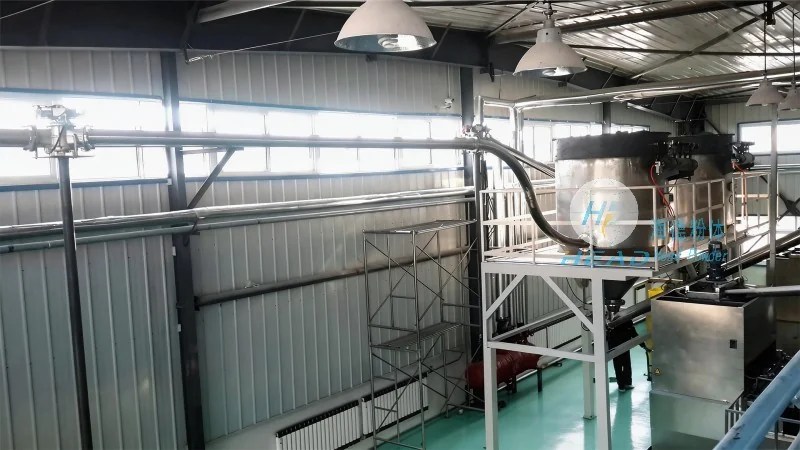
Introduction to Dry FGD Ash Pneumatic Conveying
Flue gas desulfurization is a critical process in power plants to reduce sulfur dioxide emissions. The process involves treating flue gases with a sorbent, often limestone or lime, which reacts with sulfur dioxide to form calcium sulfite or calcium sulfate. The resulting solid residue is the FGD ash. Traditional methods of handling this ash include wet disposal or landfills, but these can be costly and environmentally unfriendly. Pneumatic conveying offers an alternative that allows for the dry transport of the ash, reducing water usage and minimizing environmental impact.
Components of a Pneumatic Conveying System for FGD Ash
The dry FGD ash pneumatic conveying system consists of several key components that work together to transport the ash from the desulfurization unit to a storage or disposal site. The main components include a material feeder, a conveying pipeline, a pressure vessel or receiver, and a control system. The material feeder ensures a consistent flow of ash into the system, while the pipeline transports the ash under pressure. The pressure vessel collects the ash and may include a dust collector to prevent emissions. The control system monitors and regulates the operation of the entire system to ensure safe and efficient transport.
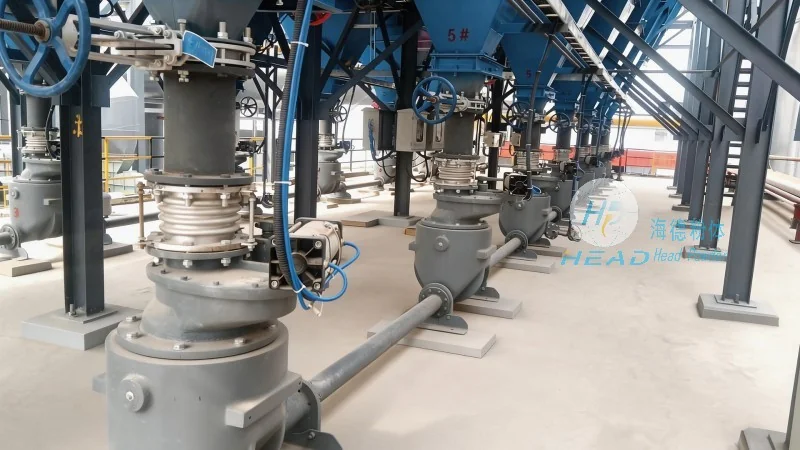
Design Principles and Operational Mechanisms
The design of a pneumatic conveying system for FGD ash is based on several key principles to ensure optimal performance. The system must be capable of handling the specific properties of FGD ash, such as its fineness, moisture content, and density. The conveying velocity and pressure are carefully calculated to prevent particle segregation and ensure uniform flow. The system also incorporates features to minimize wear and tear on components due to the abrasive nature of the ash. Additionally, the design considers the need for flexibility in the system layout, allowing for changes in the plant's layout or future expansion.
Advantages of Using a Pneumatic Conveying System
Implementing a dry FGD ash pneumatic conveying system offers several advantages over traditional methods. First, it reduces the need for water in the disposal process, making it more environmentally sustainable. Second, it allows for the reuse of the ash in construction materials, such as cement or concrete, reducing the demand for raw materials and lowering costs. Third, the system is more compact and requires less space compared to traditional bulk handling methods. Finally, the system provides a more controlled and efficient way to manage the ash, reducing the risk of spills or emissions during transport.
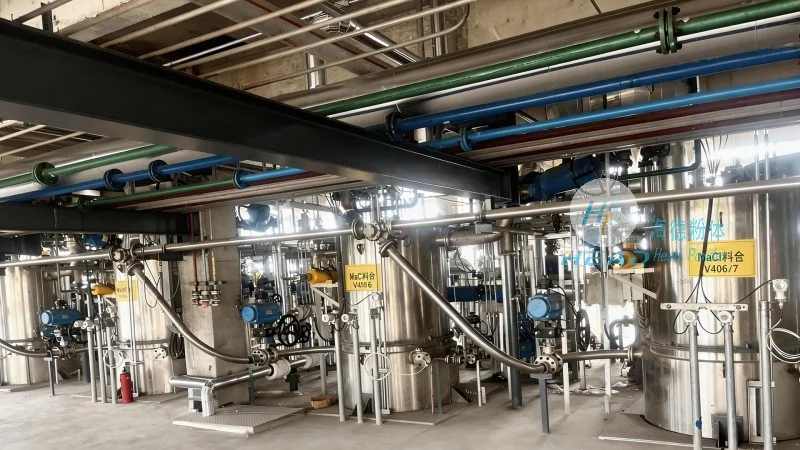
Applications and Industries
The dry FGD ash pneumatic conveying system is widely used in power plants, particularly those that use coal as a fuel source. It is also applicable in industries that generate similar byproducts, such as industrial boilers or chemical plants. The system is designed to handle large volumes of ash, making it suitable for plants with high desulfurization capacity. The system's flexibility allows it to be integrated into existing plant infrastructure, minimizing disruption during installation.
Conclusion
In conclusion, the dry flue gas desulfurization ash pneumatic conveying system is an essential component in modern power generation and environmental management. Its design principles focus on efficiency, sustainability, and safety, ensuring that the byproduct of flue gas desulfurization is handled in an environmentally responsible manner. Companies like Shandong HeadPowder Engineering Co., Ltd. specialize in designing and manufacturing such systems, providing tailored solutions to meet the specific needs of power plants and industrial facilities.




