Vinyl ester resin pneumatic conveying systems are advanced industrial solutions designed to efficiently transport powders and bulk materials. These systems utilize air or gas as the conveying medium to move materials from one location to another, offering a flexible and often more cost-effective alternative to traditional mechanical conveying methods. The core of such systems lies in the integration of specialized components that work in harmony to ensure reliable, efficient, and safe material handling. Understanding the fundamental design principles behind these systems is crucial for optimizing performance and meeting specific industrial requirements.
Key Components of Vinyl Ester Resin Pneumatic Conveying Systems
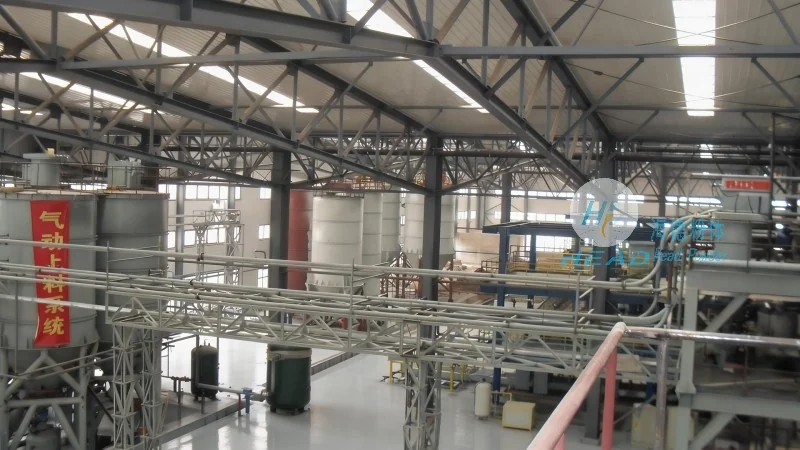
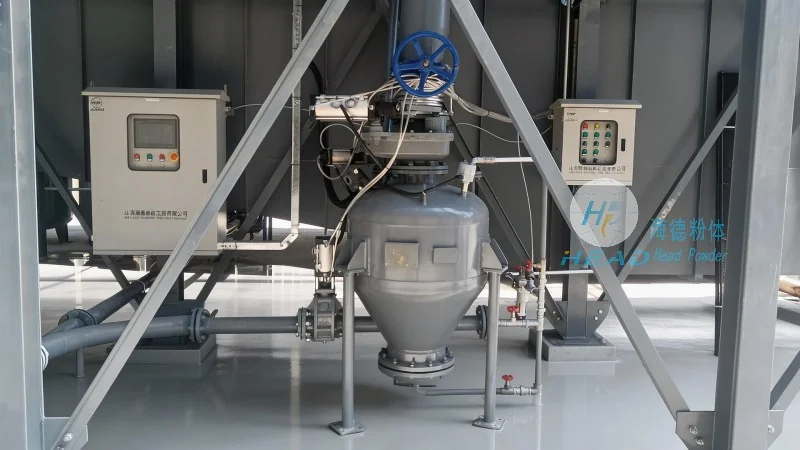
At the heart of a vinyl ester resin pneumatic conveying system are several critical components that ensure smooth operation. The primary components include a material feed hopper, a conveying line (often equipped with a venturi or other air acceleration devices), a receiver or discharge hopper, and a dust collector or filter system. The material feed hopper is designed to store and meter the bulk material, ensuring a consistent flow into the conveying line. The conveying line, typically made from materials resistant to the specific resin and its chemicals, is where the material is propelled by the air stream. Venturi devices or other air acceleration mechanisms are used to increase the velocity of the air, enabling the material to be carried through the line. The receiver or discharge hopper collects the material at the destination, while the dust collector ensures that any airborne particles are captured, maintaining air quality and compliance with environmental regulations.
Design Principles for Efficient Material Transport
The design principles of vinyl ester resin pneumatic conveying systems are centered on optimizing the balance between air velocity, material properties, and system pressure. One of the fundamental principles is the selection of appropriate air velocity to achieve the desired conveying rate while minimizing energy consumption. The air velocity must be high enough to overcome the gravitational forces acting on the material particles and to maintain a stable flow within the conveying line. Additionally, the system design considers the particle size, density, and shape of the material being transported, as these factors directly impact the required air velocity and system pressure. For vinyl ester resins, which are often used in high-performance applications, the conveying system must be constructed from materials that are resistant to chemical corrosion and abrasion, ensuring long-term durability and reliability.
Advantages of Vinyl Ester Resin Pneumatic Conveying Systems
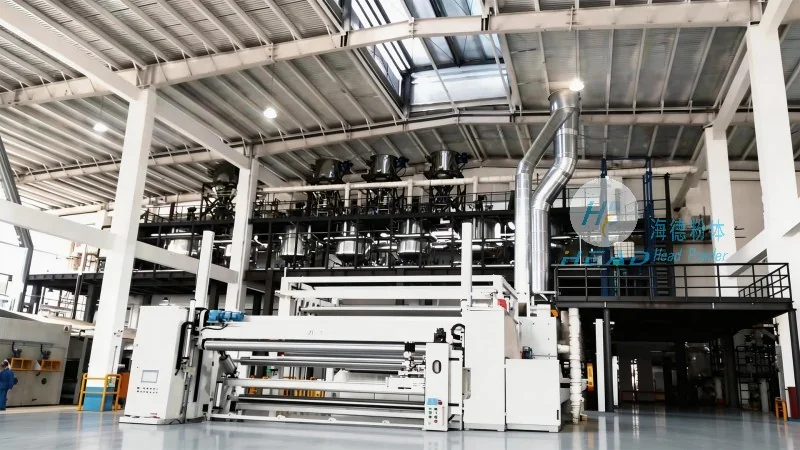
Implementing a vinyl ester resin pneumatic conveying system offers several advantages over traditional conveying methods. One of the key benefits is the ability to handle a wide range of materials, including those that are abrasive, corrosive, or sensitive to moisture. The system's flexibility allows for easy integration into existing production lines or new facility designs, with the capability to adjust conveying rates and distances as needed. Additionally, pneumatic conveying systems can be designed to operate in a closed loop, reducing dust emissions and improving workplace safety. The use of vinyl ester resin in the system components provides excellent resistance to chemical attack, extending the service life of the equipment and reducing maintenance costs. Furthermore, the system's ability to handle materials in a continuous flow manner enhances production efficiency and reduces downtime associated with material handling.
Applications and Industries
Vinyl ester resin pneumatic conveying systems are widely used across various industries due to their versatility and reliability. In the chemical industry, these systems are employed to transport reactive or hazardous powders, ensuring safe and efficient handling. The pharmaceutical industry benefits from the system's ability to maintain sterile conditions and prevent contamination, making it suitable for transporting active pharmaceutical ingredients (APIs) and other sensitive materials. The food and beverage industry also utilizes these systems for handling dry ingredients, such as powders used in food processing, where hygiene and material purity are paramount. Additionally, in the mining and minerals sector, pneumatic conveying systems are used to transport bulk materials like ores and minerals, often in harsh environments where durability and resistance to abrasion are critical.
Company Overview: Shandong HeadPowder Engineering Co., Ltd.
Shandong HeadPowder Engineering Co., Ltd., commonly known as HeadPowder, is a leading manufacturer and supplier of advanced material handling solutions, including vinyl ester resin pneumatic conveying systems. With a strong focus on innovation and quality, HeadPowder has established itself as a trusted partner for industries requiring reliable and efficient material transport solutions. The company's headquarters is located in Shandong, China, where it operates a state-of-the-art manufacturing facility equipped with cutting-edge technology and skilled engineering teams. HeadPowder specializes in customizing pneumatic conveying systems to meet the specific needs of its clients, ensuring that each system is designed to optimize performance, reduce operational costs, and enhance overall productivity. The company's commitment to customer satisfaction and technical excellence has earned it a reputation for delivering high-quality products and exceptional service in the industry.




