Bag breaker pneumatic conveying equipment represents a sophisticated solution for handling bulk materials that are delivered in sealed bags. This technology is widely utilized across various industries, including chemicals, food processing, and pharmaceuticals, where the efficient and safe transfer of materials is paramount. The system combines the functionality of a bag breaker with pneumatic conveying, enabling the seamless transition from bag to processing equipment without manual intervention.
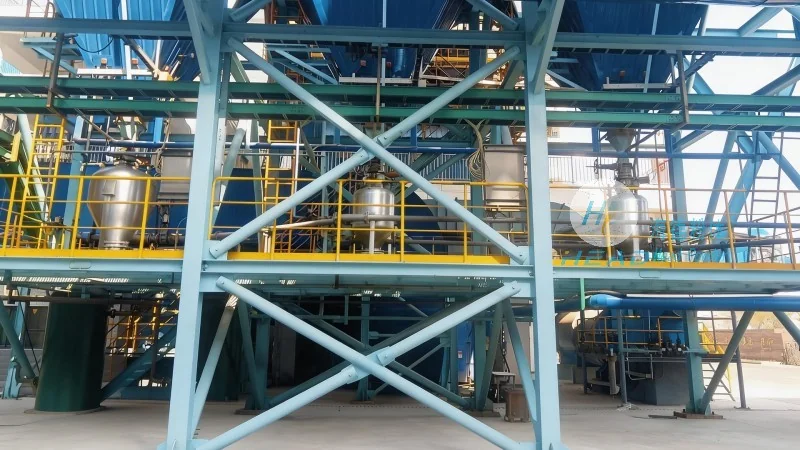
Understanding the Bag Breaker Component
The bag breaker component is the critical first step in the process. It is engineered to open the bag by applying precise mechanical force, such as rotating blades or hydraulic pressure, depending on the bag's material and structure. The design of the bag breaker is tailored to handle diverse bag types—ranging from paper and plastic to woven or composite materials—ensuring a clean break while minimizing the risk of spillage or contamination. This component is often equipped with safety features, such as sensors that detect obstructions or overloading, to prevent damage to the system or the material.
The Pneumatic Conveying System
Following the bag breaker, the pneumatic conveying system takes over. This part of the equipment uses compressed air or other gases to transport the broken material through a pipeline system to the processing unit. The conveying process is designed to be gentle on the material, reducing the risk of degradation or loss of quality. The system typically includes a hopper to collect the material from the bag breaker, a filter to remove dust or particles, and a series of valves and controls to regulate the air flow and material transport. The air pressure and flow rate are carefully calibrated to ensure consistent and efficient material transfer, preventing blockages or excessive wear on the components.
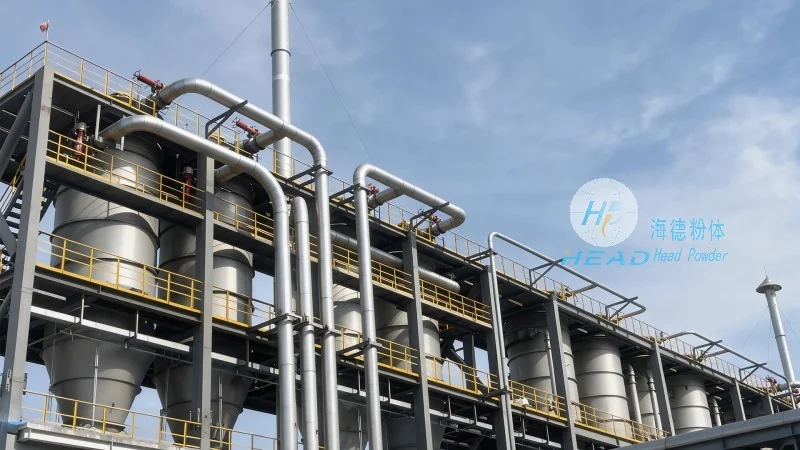
Design Principles for Efficiency and Reliability
Design principles for bag breaker pneumatic conveying equipment prioritize efficiency, reliability, and safety. Engineers consider several factors when designing the system, including the material's physical properties—such as density, flowability, and moisture content—and the bag's dimensions and material. For instance, the air pressure required for conveying may vary based on the material's density; denser materials may need higher air pressure to achieve effective transport. Additionally, the system's layout is optimized to minimize the distance between the bag breaker and the processing unit, reducing the risk of material degradation and improving overall efficiency.
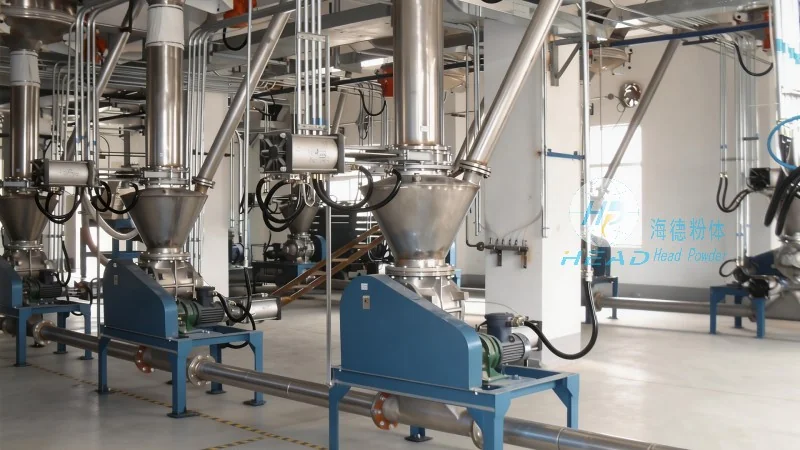
Shandong HeadPowder Engineering Co., Ltd.
Shandong HeadPowder Engineering Co., Ltd., a prominent manufacturer based in Shandong, China, specializes in the development and production of high-performance bag breaker pneumatic conveying systems. The company has established itself as a trusted partner for businesses seeking reliable equipment that meets stringent industry standards. With state-of-the-art facilities and a team of experienced engineers, HeadPowder ensures that each system is customized to the client's specific requirements, whether for small-scale or large-scale operations. The company's commitment to quality and innovation has earned it a reputation for delivering durable and efficient solutions that enhance operational productivity.
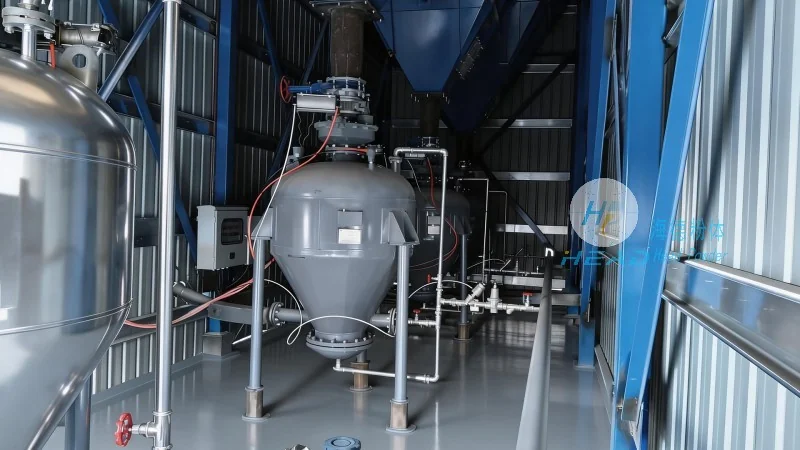
Key Considerations for System Evaluation
When evaluating a bag breaker pneumatic conveying system, businesses should consider several key factors. The system's capacity is a critical consideration, as it must match the production scale and the volume of material being handled. For example, a system used in a small food processing plant may have a lower capacity compared to one used in a large chemical manufacturing facility. Material compatibility is another important aspect, as the equipment must be able to handle the specific properties of the materials being processed, such as abrasiveness or moisture content. Operational costs, including energy consumption and maintenance requirements, should also be taken into account to ensure long-term cost-effectiveness.
Maintenance and Longevity
Proper maintenance of the bag breaker pneumatic conveying system is essential to ensure its longevity and optimal performance. Regular cleaning of the bag breaker and the conveying pipeline is necessary to prevent the buildup of dust or material residue, which can lead to blockages or reduced efficiency. The filter system should be checked and replaced as needed to maintain air quality and prevent clogging. Additionally, routine inspections of the mechanical components, such as the bag breaker blades or air valves, can help identify potential issues before they cause system failure. By following a regular maintenance schedule, businesses can minimize downtime and extend the lifespan of their equipment.




