What is a Sodium Fluosilicate Pneumatic Conveying System? And What Are Its Design Principles?
Release time:2026-09-14 10:52:59
name of the company:Shandong Headpowder Engineering Co., Ltd.
telephone:156-6277-7102
contacts:Zhang manager
Understanding the sodium fluosilicate pneumatic conveying system is crucial for industries dealing with this specific chemical, as it plays a vital role in efficient material handling. This article will explore the fundamental aspects of such a system, including its design principles and operational benefits.
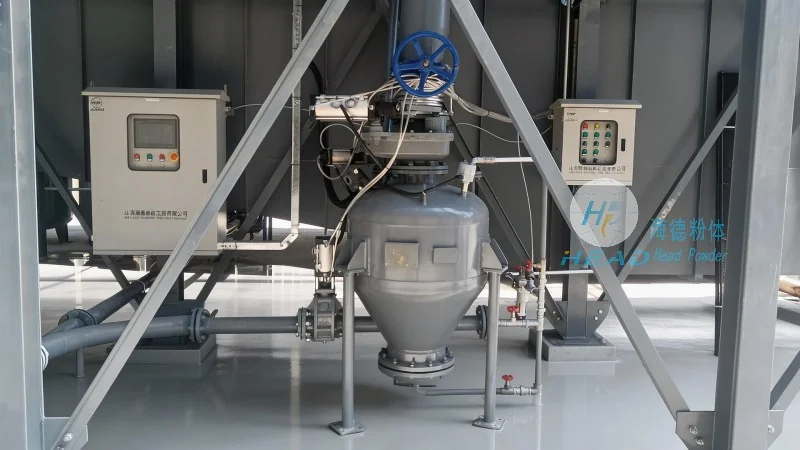
Introduction to Sodium Fluosilicate Pneumatic Conveying Systems
Sodium fluosilicate, a white crystalline powder, is widely used in various industrial applications, including water treatment, glass manufacturing, and chemical processing. The pneumatic conveying system is an essential technology for transporting this material from one location to another within a facility. A pneumatic conveying system uses air or other gases to move bulk materials through a pipeline, offering advantages such as reduced labor costs, improved safety, and enhanced process control compared to traditional methods like bucket elevators or belt conveyors.
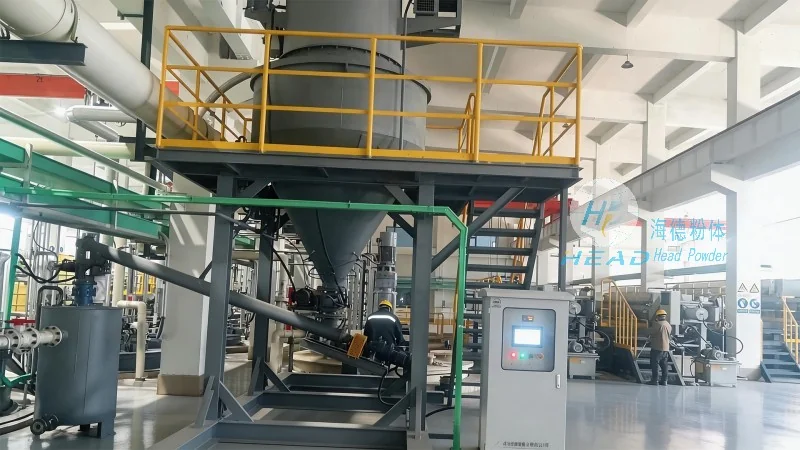
Key Components of a Sodium Fluosilicate Pneumatic Conveying System
The design of a sodium fluosilicate pneumatic conveying system involves several critical components that work together to ensure efficient material transport. These components include:
- Feed Hopper: A container that stores the sodium fluosilicate powder and feeds it into the system. The hopper is typically equipped with a gate valve to control the flow rate of the material.
- Conveying Pipeline: A network of pipes that transports the material and air mixture. The pipeline is usually made of corrosion-resistant materials like stainless steel or plastic to withstand the chemical properties of sodium fluosilicate.
- Air Blower or Fan: The primary source of motive power, providing the necessary air pressure to move the material through the pipeline. The choice of blower depends on the system's capacity and the material's characteristics.
- Receiver or Discharge Hopper: The final container where the sodium fluosilicate is deposited after being conveyed. This component may include a dust collector to capture any airborne particles and improve environmental compliance.
- Control System: A set of sensors and controls that monitor and regulate the system's operation, ensuring consistent flow rates and preventing issues like blockages or overpressure.
Design Principles for Efficient Operation
The design principles of a sodium fluosilicate pneumatic conveying system focus on optimizing material flow, minimizing energy consumption, and ensuring system reliability. Key design considerations include:
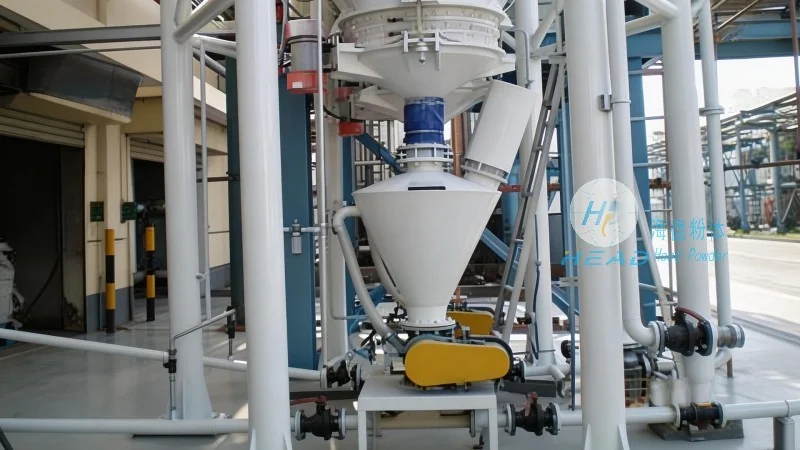
- Material Characteristics: The physical properties of sodium fluosilicate, such as particle size, density, and flowability, are critical factors in system design. For example, fine powders may require higher air velocities to prevent clogging, while larger particles may need a different pipeline diameter.
- System Capacity: The required throughput of the system determines the size of the air blower, pipeline diameter, and hopper capacity. Proper sizing ensures that the system can handle the desired production rate without excessive energy use.
- Pressure and Velocity: The air pressure and velocity within the pipeline must be carefully controlled to achieve efficient conveying. Too low a velocity may cause material settling or blockages, while too high a velocity can lead to excessive energy consumption and wear on components.
- System Layout: The arrangement of the pipeline, feed and discharge points, and other components affects the overall efficiency and cost of the system. A well-designed layout minimizes the length of the pipeline and the number of bends, reducing pressure losses and energy requirements.
- Environmental and Safety Considerations: The system design must comply with environmental regulations and ensure worker safety. This includes features like dust collection systems, explosion-proof components, and proper ventilation to prevent the accumulation of flammable or toxic dust.
Benefits of Using a Sodium Fluosilicate Pneumatic Conveying System
Implementing a pneumatic conveying system for sodium fluosilicate offers several advantages over traditional material handling methods. These benefits include:




