For industrial operations dealing with fine sand and similar particulate materials, the selection of an efficient and reliable conveying system is crucial. Among the various options available, the fine sand pneumatic conveying equipment stands out as a versatile solution. This equipment is specifically designed to handle fine particles, offering a non-contact method of material transport that minimizes wear and tear while ensuring consistent performance. The design principles behind such systems are tailored to address the unique challenges posed by fine sand, including particle size, density, and moisture content. In this article, we will explore what fine sand pneumatic conveying equipment is and delve into the core design principles that make it effective.
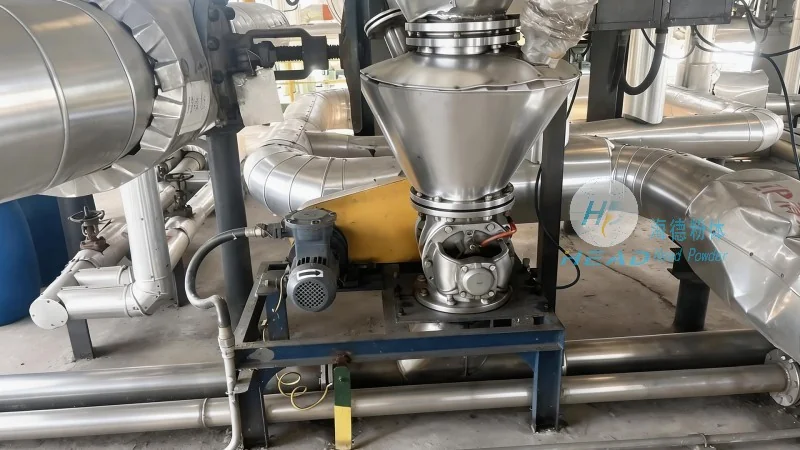
Introduction to Fine Sand Pneumatic Conveying Equipment
Fine sand pneumatic conveying equipment is a type of pneumatic transport system used to move fine particulate materials, such as sand, powders, and granules, through a pipeline using compressed air or other gas. Unlike traditional mechanical conveyors, which rely on belts, buckets, or screws, pneumatic systems use air pressure to propel the material. This method is particularly advantageous for fine sand, as it prevents the accumulation of dust and reduces the risk of clogging in the conveying line. The equipment is commonly used in industries like construction, cement production, and mineral processing, where the efficient handling of fine materials is essential for maintaining production efficiency and product quality.
Core Components of the Pneumatic Conveying System
The effectiveness of a fine sand pneumatic conveying system depends on its well-designed components, each serving a specific function in the material transport process. The primary components include:
- Feeder: The feeder is responsible for introducing the fine sand into the conveying line. It ensures a consistent flow of material, preventing blockages and maintaining the desired conveying rate. For fine sand, a rotary valve or a screw feeder is often used to provide a controlled feed.
- Compressor and Air Supply: The compressor generates the necessary pressure to move the material through the pipeline. The air supply system ensures a steady flow of compressed air, which is critical for maintaining the velocity required to keep the sand particles suspended.
- Pipeline: The pipeline is the main conduit for transporting the fine sand. It is typically made of stainless steel or other corrosion-resistant materials to withstand the abrasive nature of fine sand and prevent leakage.
- Separation and Collection: At the end of the conveying line, a separation unit is used to separate the sand from the air. This unit may include a cyclone separator or a bag filter, which collects the fine sand and returns it to the process or storage area.
Design Principles and Technical Considerations
The design of a fine sand pneumatic conveying system is governed by several key principles and technical factors that must be carefully considered to ensure optimal performance. These include:
1. Air Velocity and Pressure: The velocity of the air in the pipeline must be sufficient to keep the fine sand particles suspended. Typically, air velocities range from 20 to 30 meters per second for fine sand, depending on the particle size and density. The pressure required is usually between 0.5 to 1.5 bar, which is generated by the compressor.
2. Particle Characteristics: The design must account for the physical properties of the fine sand, such as particle size distribution, density, and moisture content. Larger or denser particles may require higher air velocities and pressures to maintain suspension. Moisture content can affect the flowability of the sand and may necessitate additional drying steps before conveying.
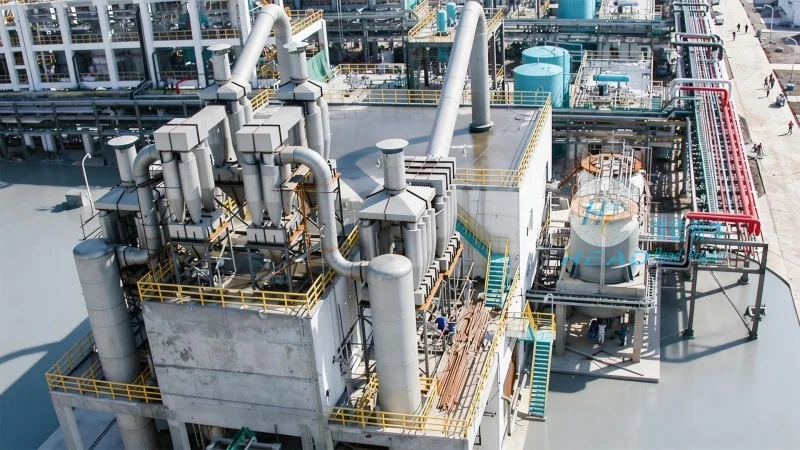
3. Conveying Distance and Layout: The system's design is influenced by the distance the sand needs to be transported and the layout of the facility. For longer distances, multiple stages of conveying may be required, with intermediate boosters to maintain pressure and velocity. The layout should minimize bends and changes in direction to reduce pressure losses and prevent particle deposition.
4. Material Handling and Safety: The design must consider the handling of the fine sand to avoid dust emissions and ensure worker safety. Enclosed systems and proper filtration are essential to comply with environmental regulations and maintain a safe working environment.
Advantages of Fine Sand Pneumatic Conveying Equipment
Compared to traditional mechanical conveyors, fine sand pneumatic conveying equipment offers several advantages that make it a preferred choice in many industrial applications:
- No Mechanical Wear: Since the material is transported without contact with mechanical parts, there is minimal wear and tear on the equipment, reducing maintenance costs and extending the system's lifespan.
- Flexible Layout: The system can be easily reconfigured to accommodate changes in the production process or facility layout, allowing for multiple pickup and discharge points.
- Low Maintenance: With fewer moving parts, the pneumatic system requires less maintenance compared to mechanical conveyors, leading to lower operational costs.
- Environmental Benefits: The enclosed design and filtration systems help minimize dust emissions, making the process more environmentally friendly and compliant with regulations.
Application Scenarios and Practical Examples
Fine sand pneumatic conveying equipment is widely used in various industrial sectors due to its adaptability and efficiency. Some common application scenarios include:
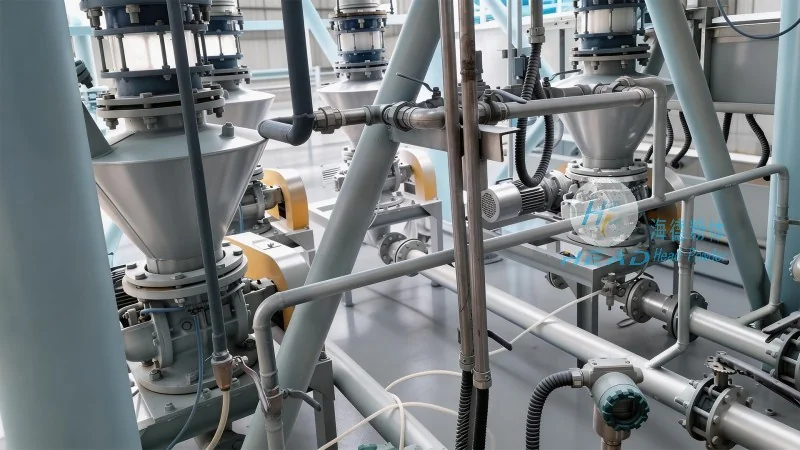
1. Construction Industry: In sand and gravel processing plants, the equipment is used to transport fine sand from storage silos to mixing plants or other processing units. This ensures a consistent supply of sand for concrete production, improving the quality and consistency of the final product.
2. Cement Production: During the cement manufacturing process, fine sand may be used as an alternative raw material or as a filler. The pneumatic conveying system efficiently transports the sand from storage to the grinding and mixing stages, optimizing the production flow.
3. Mineral Processing: In mining operations, fine sand is often a byproduct or a raw material. The equipment is used to transport the sand to processing facilities, where it may be further refined or used as a component in other products.
4. Sand Reclamation: In coastal or riverbed areas, fine sand is reclaimed and processed for construction use. The pneumatic conveying system is used to transport the reclaimed sand from the extraction site to processing plants, where it is cleaned and prepared for use.
Conclusion
Fine sand pneumatic conveying equipment is a sophisticated and efficient solution for handling fine particulate materials in industrial settings. Its design is tailored to address the unique challenges of fine sand, including particle size, density, and moisture content, while offering advantages such as minimal wear, flexible layout, and low maintenance. By understanding the core components and design principles, industries can optimize their material handling processes, improve productivity, and ensure compliance with environmental regulations. As a leading provider in this field, Shandong HeadPowder Engineering Co., Ltd. specializes in designing and manufacturing high-quality fine sand pneumatic conveying systems that meet the diverse needs of modern industrial applications.




