

Working Principle and Characteristics of Long-Distance Pneumatic Conveying Systems
Long-distance pneumatic conveying systems are advanced industrial equipment designed to transport bulk materials over significant distances using air pressure. These systems are widely used in various industries, including food processing, pharmaceuticals, and chemical manufacturing, due to their efficiency and versatility. The core technology involves the use of air to move powders or granules through a pipeline, eliminating the need for mechanical components like belts or screws in traditional conveying methods.
Working Principle of Long-Distance Pneumatic Conveying
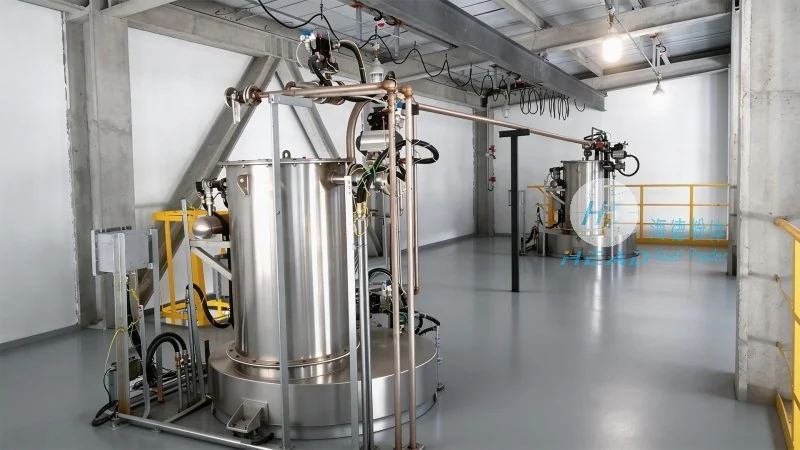
The fundamental working principle of a long-distance pneumatic conveying system is based on the creation of a pressure differential. The system typically consists of a material hopper, a conveyor line, and a receiver. When the system is activated, a fan or blower generates high-pressure air that is introduced into the conveyor line. The material is then fed into the line, either by gravity or by a feeder, and is carried along by the moving air stream. The air and material mixture travels through the pipeline until it reaches the receiver, where the material is separated from the air and collected. The air is then filtered and discharged back into the environment. The working principle of a long-distance pneumatic conveying system involves several key steps. First, the material is fed into the system from a hopper or feeder. The feeder then meters the material into the conveyor line at a controlled rate. Simultaneously, a fan or blower generates high-pressure air, which is introduced into the pipeline. The air and material mixture then travels through the pipeline, with the air providing the necessary force to move the material. The velocity of the air is critical, as it must be sufficient to overcome the friction between the material and the pipeline walls while maintaining the material in a suspended state. The system typically operates under either positive pressure or negative pressure, depending on the application and material characteristics. Positive pressure systems are commonly used for short to medium distances, while negative pressure systems are more suitable for long-distance applications due to their ability to handle larger volumes and reduce air leakage.
Key Characteristics of Long-Distance Pneumatic Conveying Systems
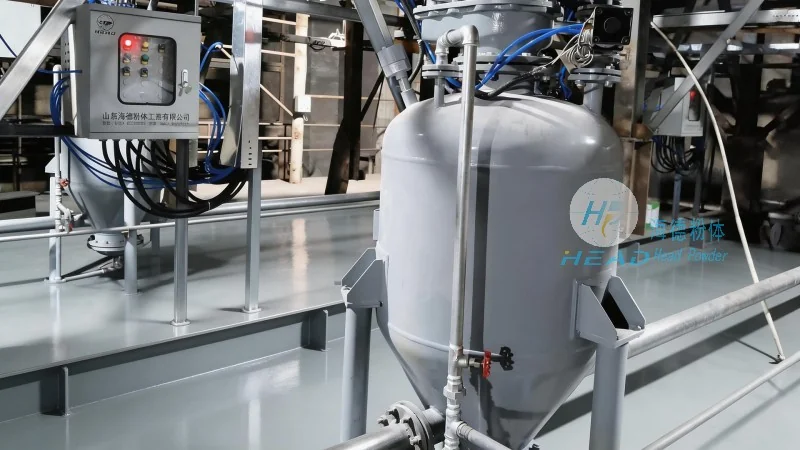
Long-distance pneumatic conveying systems exhibit several distinct characteristics that make them suitable for a wide range of applications. One of the primary advantages is their ability to transport materials over long distances with minimal maintenance. The systems are also highly flexible, as they can be easily reconfigured to accommodate changes in material flow or pipeline layout. Additionally, these systems are capable of handling a variety of materials, including powders, granules, and even fine particles, without causing contamination or degradation. Another important characteristic is their energy efficiency, as they use less power compared to traditional mechanical conveying methods. The systems also provide a hygienic and dust-free environment, which is crucial for industries that require strict quality control, such as food and pharmaceuticals. Key characteristics of long-distance pneumatic conveying systems include their ability to handle a wide range of materials, from fine powders to coarse granules. The systems are also designed to be compact and space-efficient, making them suitable for installations with limited space. Another important characteristic is their low maintenance requirements, as they have fewer moving parts compared to mechanical conveying systems. This reduces downtime and maintenance costs for the end-user. The systems are also highly customizable, allowing manufacturers to tailor the design to specific material properties and operational requirements. For example, the pipeline diameter, material feed rate, and air pressure can all be adjusted to optimize performance. Additionally, long-distance pneumatic conveying systems are known for their ability to maintain product integrity, as the material is not exposed to mechanical stress or contamination during transport. This is particularly important for sensitive materials, such as pharmaceuticals or food products, where any degradation or contamination can have significant consequences.
Company Overview: Shandong HeadPowder Engineering Co., Ltd.
Shandong HeadPowder Engineering Co., Ltd., or HeadPowder, is a leading manufacturer and supplier of pneumatic conveying systems. The company is headquartered in Shandong, China, and has established itself as a trusted partner in the industry, providing high-quality equipment and reliable services to clients worldwide. HeadPowder specializes in the design, manufacturing, and installation of long-distance pneumatic conveying systems tailored to meet the specific needs of various industries. The company's commitment to innovation and customer satisfaction has earned it a strong reputation in the market. Shandong HeadPowder Engineering Co., Ltd., or HeadPowder, is a prominent engineering company specializing in the development and production of pneumatic conveying systems. HeadPowder is headquartered in Shandong, China, and has a strong presence in the global market, serving clients across various industries. The company has a team of experienced engineers and technicians who are dedicated to providing innovative solutions for material handling challenges. HeadPowder's product line includes a range of long-distance pneumatic conveying systems, from standard models to customized solutions tailored to specific client needs. The company adheres to strict quality control standards, ensuring that all products meet or exceed industry requirements. HeadPowder also offers comprehensive after-sales services, including installation, maintenance, and technical support, to ensure that clients can maximize the performance and lifespan of their equipment.
Applications and Benefits of Long-Distance Pneumatic Conveying
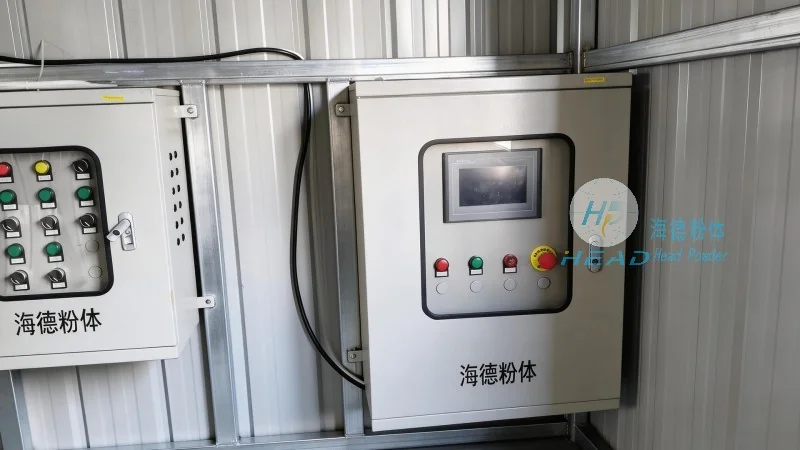
Long-distance pneumatic conveying systems are used in numerous applications across different sectors. In the food industry, these systems are employed to transport ingredients such as flour, sugar, and spices from storage to production lines. In the pharmaceutical industry, they are used to convey active pharmaceutical ingredients (APIs) and other raw materials, ensuring a clean and controlled environment. The chemical industry also utilizes these systems for transporting powders and granules, such as catalysts and pigments. The benefits of using long-distance pneumatic conveying systems include improved efficiency, reduced labor costs, and enhanced product quality. Additionally, these systems contribute to a safer working environment by eliminating the need for manual handling of bulk materials. Applications of long-distance pneumatic conveying systems are diverse and widespread. In the food processing industry, these systems are commonly used to transport ingredients such as flour, cornmeal, and sugar from storage silos to production lines. They are also used in the packaging industry to convey powders into packaging machines. In the pharmaceutical industry, long-distance pneumatic conveying systems are essential for transporting active pharmaceutical ingredients (APIs) and other raw materials, as they provide a sterile and contamination-free environment. The chemical industry utilizes these systems for transporting catalysts, pigments, and other powders, which are often sensitive to moisture or air exposure. The benefits of using long-distance pneumatic conveying systems extend beyond efficiency and cost savings. These systems also contribute to a safer working environment by reducing the need for manual handling of bulk materials, which can be heavy and difficult to transport. Additionally, the systems help to improve product quality by maintaining the integrity of the material during transport, preventing degradation or contamination. This is particularly important in industries where product quality is critical, such as food and pharmaceuticals. Overall, long-distance pneumatic conveying systems offer a reliable and efficient solution for material handling, making them an essential component in modern industrial operations.