

Working Principle and Characteristics of Ceramic Powder Pneumatic Conveying
Understanding the working principle and characteristics of ceramic powder pneumatic conveying is crucial for industries that handle fine ceramic powders. This technology offers an efficient and effective method for transporting these materials, which are often sensitive and require careful handling. The following sections will delve into the core mechanisms and key attributes of this process, providing a comprehensive overview for professionals in the field.
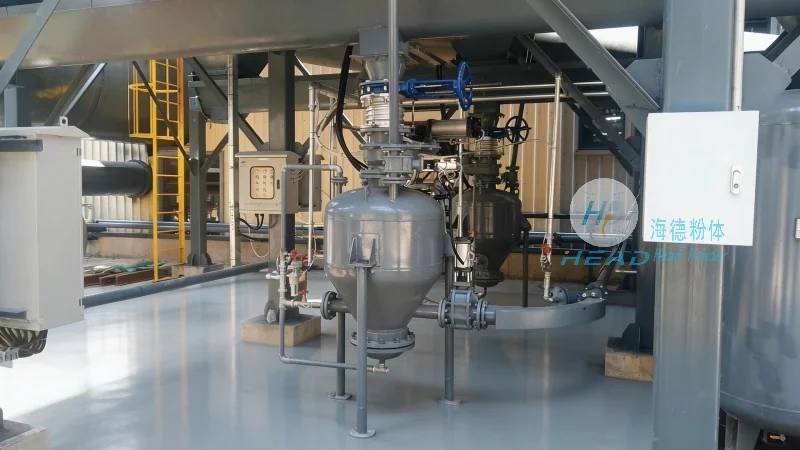
Working Principle of Ceramic Powder Pneumatic Conveying
Ceramic powder pneumatic conveying operates on the principle of using air or gas to transport solid particles. The system typically consists of a feeding hopper, a conveying line, and a receiving container. The process begins with the ceramic powder being fed into the hopper. A fan or blower then generates a flow of air within the conveying line, creating a pressure differential that propels the powder particles forward. The air velocity is carefully controlled to ensure that the particles remain suspended and are transported without clogging or degradation. The conveying line may include components such as elbows, bends, and filters to manage the flow and prevent particle accumulation. The receiving container collects the transported powder, completing the cycle. This method relies on the interaction between the air flow and the powder particles, leveraging aerodynamic forces to achieve efficient material transport.
Key Characteristics of Ceramic Powder Pneumatic Conveying
The characteristics of ceramic powder pneumatic conveying are defined by several factors that influence its performance and suitability for different applications. One of the primary advantages is its ability to handle fine and abrasive ceramic powders without causing excessive wear or degradation. The system is also relatively compact and can be integrated into existing production lines, making it a flexible solution for various industrial settings. Additionally, pneumatic conveying systems can be designed to operate in both positive and negative pressure modes, providing versatility in material handling. The process is generally clean and dust-free compared to traditional mechanical conveying methods, which is particularly important for ceramic powders that may be used in pharmaceutical or electronic applications. Another notable characteristic is the ability to control the flow rate and pressure, allowing for precise regulation of the conveying process. This control is essential for maintaining product quality and preventing issues such as overloading or under-conveying. The system also offers the advantage of being able to transport materials over long distances with minimal loss, making it suitable for large-scale operations.
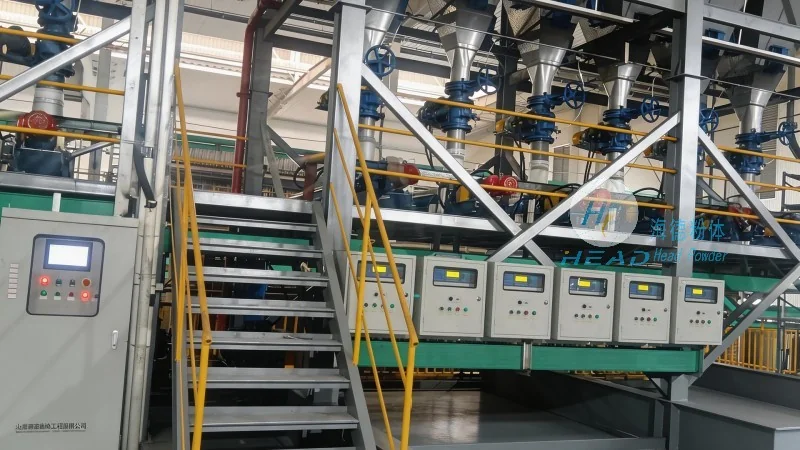
Applications and Benefits in Industrial Settings
The application of ceramic powder pneumatic conveying spans multiple industries, including ceramics manufacturing, pharmaceuticals, and electronics. In ceramics production, this technology is used to transport raw materials and finished products, ensuring a consistent and efficient workflow. The benefits in this sector include improved product quality due to reduced contamination and better control over material handling. In the pharmaceutical industry, the clean and dust-free nature of pneumatic conveying is critical for maintaining sterile conditions and preventing cross-contamination. The ability to handle fine powders without degradation is also a key advantage, as it helps preserve the integrity of the product. Similarly, in the electronics industry, the precise control and low contamination levels offered by pneumatic conveying are essential for producing high-quality components. The system's ability to transport materials over long distances without degradation makes it suitable for large-scale manufacturing facilities. Overall, the benefits of ceramic powder pneumatic conveying include increased efficiency, reduced labor costs, and improved product quality, making it a preferred choice for many industrial applications.
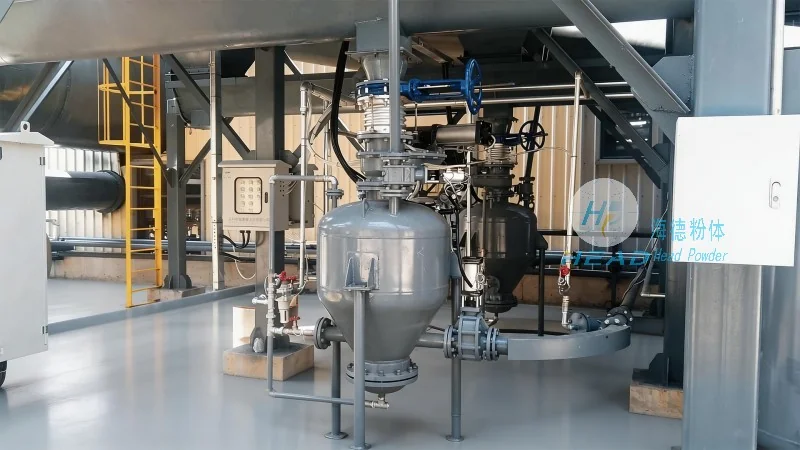
Considerations for Implementation and Maintenance
Implementing a ceramic powder pneumatic conveying system requires careful consideration of several factors to ensure optimal performance and longevity. The first consideration is the selection of the appropriate conveying line material, as ceramic powders can be abrasive and may cause wear on metal components. Materials such as stainless steel or specialized polymers are often used to withstand the abrasive nature of the powder. Another important factor is the air velocity and pressure, which must be optimized to prevent clogging and ensure efficient transport. Regular maintenance is also crucial for the longevity of the system. This includes cleaning the conveying line and filters to prevent particle accumulation, which can lead to system failure. The system should also be equipped with monitoring devices to detect any issues such as pressure drops or air leaks, allowing for timely maintenance. Additionally, the system should be designed with safety features to prevent dust explosions, which is a common concern in powder handling operations. Proper training for operators is also essential to ensure the safe and effective operation of the system. By addressing these considerations, industries can maximize the benefits of ceramic powder pneumatic conveying and minimize potential issues.
Conclusion and Future Outlook
In conclusion, ceramic powder pneumatic conveying is a highly effective and versatile technology for transporting fine ceramic powders. Its working principle, based on air flow and particle suspension, offers numerous advantages over traditional mechanical conveying methods. The key characteristics, including the ability to handle abrasive materials, maintain cleanliness, and provide precise control, make it suitable for a wide range of industrial applications. The benefits of this technology, such as increased efficiency and improved product quality, are significant for industries that rely on ceramic powders. As technology advances, the future of ceramic powder pneumatic conveying looks promising, with potential for further improvements in efficiency and sustainability. The continued development of materials and system designs will likely enhance the performance and applicability of this technology, making it an even more valuable asset for industrial operations. For companies in the ceramics, pharmaceutical, and electronics industries, investing in a well-designed pneumatic conveying system can lead to long-term benefits and competitive advantages.