Iron powder, a critical material in various industrial applications, requires efficient and reliable transportation methods to ensure consistent quality and process efficiency. Pneumatic conveying systems have emerged as a preferred solution for handling iron powder due to their ability to transport materials in a closed environment, minimizing contamination and dust exposure. This article provides an overview of the classification and essential components of iron powder pneumatic conveying systems, highlighting the key factors that influence system design and performance. HeadPowder, a leading manufacturer of industrial conveying systems, specializes in designing and supplying customized solutions for iron powder handling, ensuring optimal performance and reliability for diverse industrial applications.
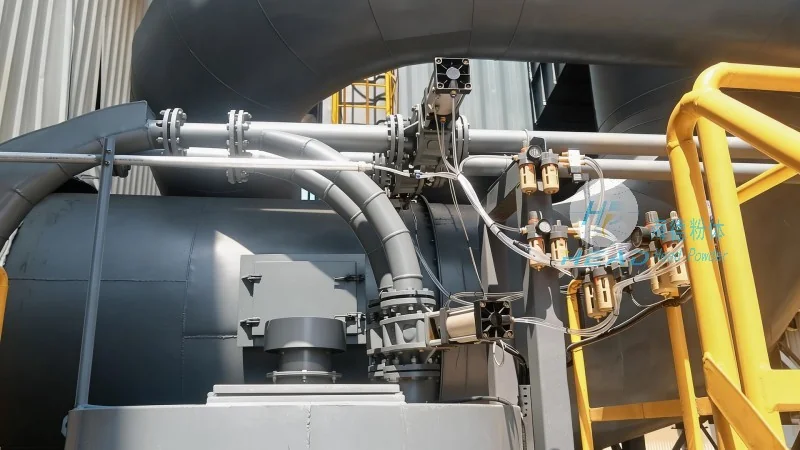
Classification of Iron Powder Pneumatic Conveying Systems
Iron powder pneumatic conveying systems are typically classified based on the pressure used during material transport. The primary categories include low-pressure, medium-pressure, and high-pressure systems. Low-pressure systems operate at pressures below 0.5 bar and are suitable for short-distance transport and low-volume applications. Medium-pressure systems, operating between 0.5 to 2 bar, are ideal for moderate distances and higher material flow rates. High-pressure systems, which run at pressures above 2 bar, are designed for long-distance transport and challenging material handling scenarios. The choice of system type depends on factors such as the distance between the source and destination, the volume of iron powder to be conveyed, and the specific characteristics of the material, including its density, moisture content, and particle size.
Key Components of Iron Powder Pneumatic Conveying Systems
The effectiveness of an iron powder pneumatic conveying system relies on several critical components that work in tandem to ensure smooth material transport. The main components include the hopper or feeder, which stores and feeds the iron powder into the system. The feeder is typically designed to maintain a consistent flow rate, preventing material buildup or clogging. The air compressor or blower generates the necessary airflow to move the iron powder through the system. The pipeline network, made of materials resistant to iron powder corrosion and abrasion, transports the material from the feeder to the discharge point. The system may also include a filter or separator to remove any fine particles or dust from the air before it is released back into the environment. Additionally, a control system is often integrated to monitor and regulate the pressure, flow rate, and other operational parameters, ensuring optimal performance and preventing system failures.
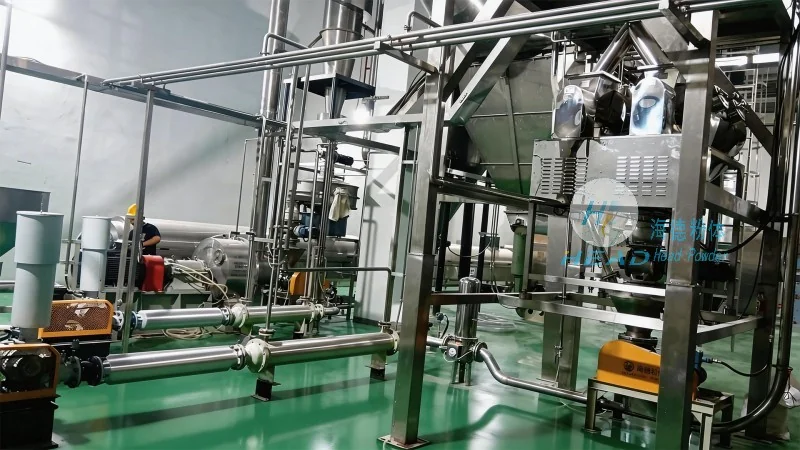
Feeder and Hopper Design for Iron Powder Handling
The feeder and hopper are crucial components in iron powder pneumatic conveying systems, as they directly impact the system's efficiency and reliability. The hopper is designed to store a sufficient quantity of iron powder to maintain a steady supply to the feeder. It is typically made of stainless steel or other corrosion-resistant materials to prevent contamination and ensure durability. The feeder, often a rotary valve or a screw feeder, regulates the flow of iron powder into the pipeline. For iron powder, which can be abrasive and prone to clogging, the feeder is equipped with features such as anti-wear liners and adjustable speed controls to maintain consistent material flow. The design of the hopper and feeder must also consider the material's moisture content and particle size distribution, as these factors can affect the flow characteristics and system performance. Proper maintenance of these components is essential to prevent blockages and ensure continuous operation.
Air Compressor and Blower Selection
The air compressor or blower is the heart of the pneumatic conveying system, responsible for generating the airflow that moves the iron powder. The selection of the appropriate air compressor depends on the system's pressure requirements, flow rate, and the specific characteristics of the iron powder. Low-pressure systems may use rotary lobe blowers, which are energy-efficient and suitable for low-pressure applications. Medium and high-pressure systems often employ positive displacement compressors, such as screw or piston compressors, which can deliver higher pressures and flow rates. The compressor must be matched with the pipeline size and system length to ensure sufficient pressure to overcome friction losses and lift the iron powder. Additionally, the compressor should be equipped with filters and lubrication systems to maintain performance and prevent wear. Regular maintenance of the compressor is vital to ensure consistent airflow and prevent system downtime.
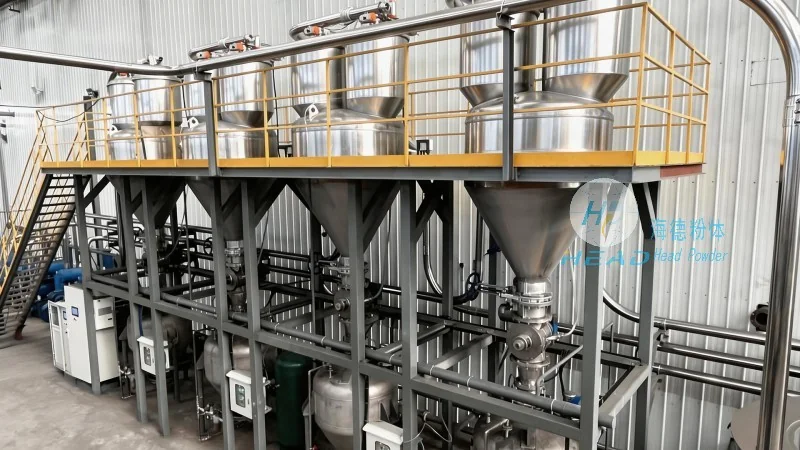
Pipeline Network and Material Transport
The pipeline network is a critical component of the iron powder pneumatic conveying system, responsible for transporting the material from the feeder to the discharge point. The design of the pipeline must consider the material's properties, including its abrasiveness and potential for clogging, to ensure long-term durability. Stainless steel or high-grade plastic pipes are commonly used due to their resistance to corrosion and wear. The pipeline is typically laid in a straight line or with gentle slopes to minimize friction losses and prevent material settling. For long-distance transport, the pipeline may include expansion joints or flexible connectors to accommodate thermal expansion and reduce stress on the system. The pipeline also includes valves and regulators to control the flow and pressure, allowing for adjustments based on operational needs. Proper installation and maintenance of the pipeline are essential to prevent leaks and ensure efficient material transport.
Filter and Separator Systems
Filter and separator systems are essential components in iron powder pneumatic conveying systems, as they help maintain the purity of the iron powder and protect the environment from dust emissions. The filter, typically a baghouse or cartridge filter, removes fine particles and dust from the air before it is released back into the environment. The filter material is chosen based on the particle size and concentration of the iron powder, with higher-efficiency filters used for more stringent emission requirements. The separator, often a cyclone or a venturi scrubber, further removes larger particles from the air stream. The collected iron powder is then returned to the hopper or processed for reuse. The filter and separator systems must be designed to handle the abrasive nature of iron powder and prevent clogging. Regular cleaning and maintenance of these components are necessary to ensure optimal performance and prevent system blockages.
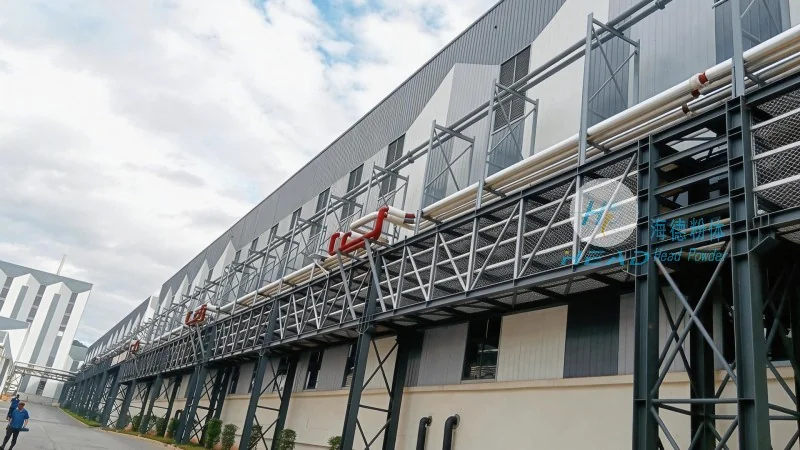
Control Systems and Automation
Modern iron powder pneumatic conveying systems often incorporate advanced control systems to monitor and regulate operational parameters, ensuring optimal performance and preventing system failures. The control system typically includes sensors to measure pressure, flow rate, and temperature, as well as a programmable logic controller (PLC) to process the data and adjust the system settings. The PLC can be programmed to maintain consistent pressure and flow rates, detect system faults, and initiate alarms or shutdown procedures. Automation features, such as remote monitoring and predictive maintenance, can enhance system efficiency and reduce downtime. The control system may also integrate with other industrial processes, allowing for seamless integration and coordination. Proper training of operators on the control system is essential to ensure effective operation and maintenance.
Applications and Benefits of Iron Powder Pneumatic Conveying Systems
Iron powder pneumatic conveying systems are widely used in various industries, including metallurgy, chemical manufacturing, and food processing. In the metallurgy industry, these systems are used to transport iron powder for the production of steel and other metal alloys. In the chemical industry, they are used to handle iron powder in the manufacturing of pigments, catalysts, and other chemical products. The benefits of using pneumatic conveying systems for iron powder include improved material handling efficiency, reduced labor costs, and minimized contamination and dust exposure. The closed system design also helps maintain the purity of the iron powder, which is critical for applications where quality and consistency are paramount. Additionally, pneumatic conveying systems can be integrated with other processing equipment, such as mixers and reactors, to create a seamless production line. The ability to transport iron powder over long distances without the need for manual handling makes these systems highly efficient and cost-effective.




