

Principles and Characteristics of Bean Meal Pneumatic Conveying
Bean meal, a vital component in the food and animal feed sectors, demands efficient handling to ensure optimal processing and distribution. Pneumatic conveying has become a leading technology for transporting bean meal, offering advantages over traditional methods like belt conveyors or bucket elevators. This article delves into the working principles and key characteristics of bean meal pneumatic conveying systems, illustrating how they enhance operational efficiency and sustainability in industrial settings.
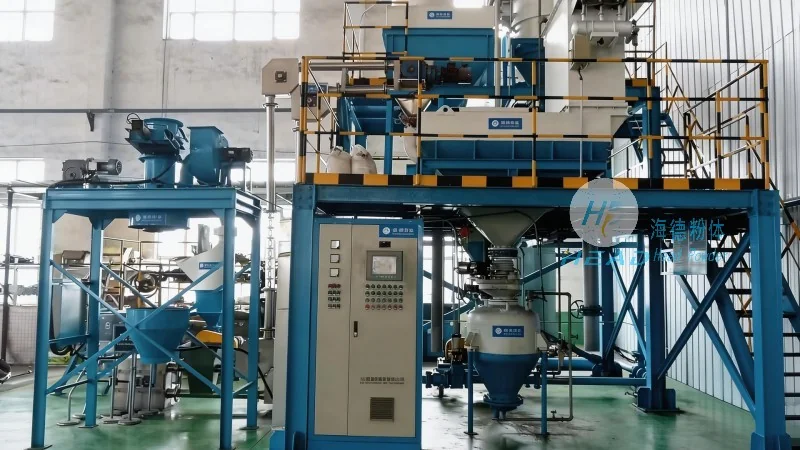
Understanding Pneumatic Conveying Systems for Bean Meal
Pneumatic conveying leverages air or gas to transport bulk materials such as bean meal through a pipeline network. The process operates by creating a pressure differential between the intake and discharge points, enabling material movement without direct mechanical contact. Two primary system types are used for bean meal: suction (vacuum) systems and pressure systems. Each has distinct operational traits and applications, crucial for selecting the right system for specific industrial needs.
The Working Principle of Suction Pneumatic Conveying for Bean Meal
Suction pneumatic conveying systems create a negative pressure (vacuum) at the intake, drawing bean meal into the pipeline. The material is then carried by the air stream to the discharge point, where pressure is restored to atmospheric levels. This method excels at transporting bean meal from multiple sources or over moderate distances, accommodating varying moisture content and particle sizes. The system includes a vacuum pump, material hopper, and filter to separate material from air at discharge. Efficiency depends on vacuum level, air velocity, and pipeline dimensions.
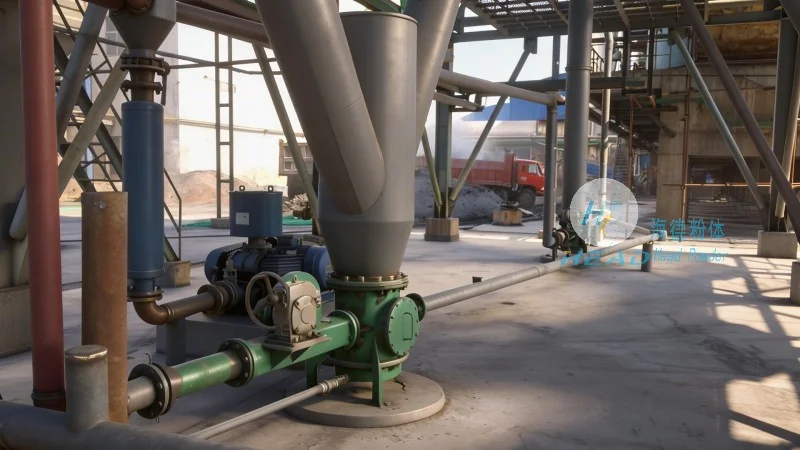
The Working Principle of Pressure Pneumatic Conveying for Bean Meal
Pressure pneumatic conveying systems generate positive pressure (compression) at the discharge, pushing bean meal through the pipeline. Ideal for long-distance or high-volume transport, this method maintains consistent flow rates and handles abrasive or high-moisture materials. A blower or compressor supplies compressed air, forcing material from the hopper into the pipeline. Unlike suction systems, pressure systems avoid vacuum pumps and suit applications discharging into a single or centralized location.
Key Characteristics of Bean Meal Pneumatic Conveying
When assessing pneumatic conveying systems for bean meal, several characteristics are critical. First, efficiency in material throughput and energy use is paramount. Modern systems minimize air usage while maximizing transport, reducing costs and environmental impact. Second, flexibility in handling varying particle sizes and moisture content is essential—bean meal properties vary by processing and source. Pneumatic systems outperform mechanical conveyors with irregular or sticky materials. Third, hygiene and sanitation features are vital in food/animal feed applications. Enclosed pipelines and filters prevent contamination, ensuring product integrity and compliance with safety regulations. Fourth, durability and maintenance requirements impact long-term reliability. Robust construction withstands abrasive bean meal and continuous operation.
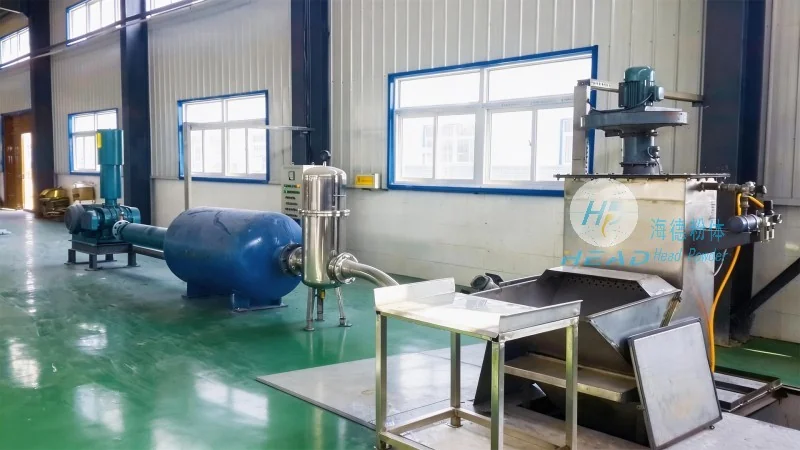
Applications and Benefits of Bean Meal Pneumatic Conveying
The benefits of pneumatic conveying for bean meal extend beyond transport. By eliminating mechanical components like belts or buckets, systems reduce maintenance costs and downtime, boosting overall equipment effectiveness (OEE). The enclosed pipeline minimizes dust emissions and enhances workplace safety, aligning with environmental and safety regulations. For industrial facilities, this translates to improved productivity, lower operational expenses, and enhanced compliance with industry standards.
Companies specializing in pneumatic conveying solutions, such as Shandong HeadPowder Engineering Co., Ltd., offer tailored systems addressing specific facility needs. With a focus on innovation and customer-centric design, HeadPowder provides efficient, reliable, and sustainable systems. The company’s expertise in material handling ensures safe and effective bean meal transport, supporting the growth of food and animal feed manufacturers. By leveraging advanced pneumatic principles, these systems optimize industrial processes and deliver high-quality bean meal products to end-users.