Aluminum turnings, as a byproduct of metalworking processes, require efficient and reliable handling methods to ensure smooth material flow in industrial applications. Pneumatic conveying systems offer a versatile solution for transporting aluminum turnings, combining the advantages of low maintenance, flexibility, and the ability to handle abrasive materials. Shandong HeadPowder Engineering Co., Ltd., a leading manufacturer of material handling solutions, specializes in designing and supplying aluminum turnings pneumatic conveying systems tailored to the specific needs of industrial users. This article explores the classification and key components of aluminum turnings pneumatic conveying systems, providing a comprehensive overview for users seeking to optimize their material handling operations.
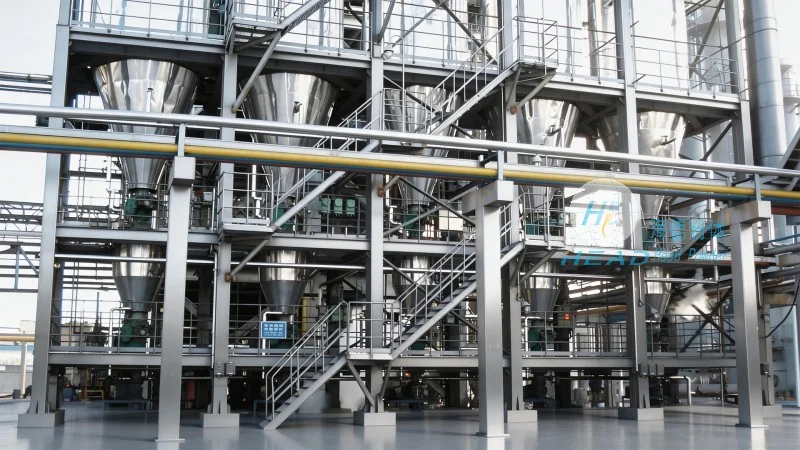
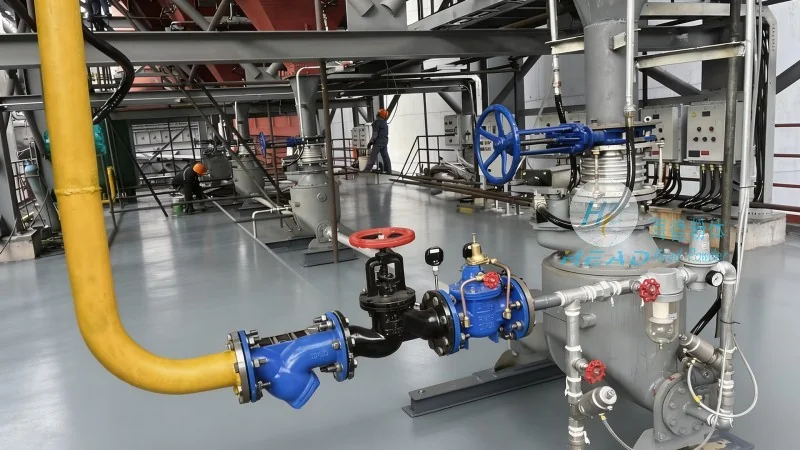
Classification of Aluminum Turnings Pneumatic Conveying Systems
Aluminum turnings pneumatic conveying systems can be broadly classified based on the pressure and flow characteristics of the conveying medium. The primary categories include positive pressure systems, negative pressure (vacuum) systems, and mixed pressure systems. Positive pressure systems use compressed air to push material through the pipeline, making them suitable for long-distance and high-volume transport. Negative pressure systems, on the other hand, use vacuum to draw material into the system, which is ideal for applications requiring dust control and low noise levels. Mixed pressure systems combine elements of both, offering flexibility in handling varying material loads and distances. Each classification has distinct advantages and is selected based on the specific requirements of the aluminum turnings handling process.
Key Components of Aluminum Turnings Pneumatic Conveying Systems
The effectiveness of an aluminum turnings pneumatic conveying system depends on the integration of several critical components. The main elements include the material feed system, the conveying pipeline, the air supply or vacuum generation unit, and the material discharge equipment. The material feed system, often a hopper or rotary valve, ensures a consistent and controlled flow of aluminum turnings into the system, preventing blockages and maintaining system efficiency. The conveying pipeline, typically made of corrosion-resistant materials such as stainless steel or plastic, is designed to withstand the abrasive nature of aluminum turnings and the pressure or vacuum conditions. The air supply unit, which may include a compressor or vacuum pump, provides the necessary pressure or vacuum to move the material through the pipeline. Finally, the material discharge equipment, such as a rotary valve or a collection bin, safely releases the aluminum turnings at the destination point, completing the conveying process.
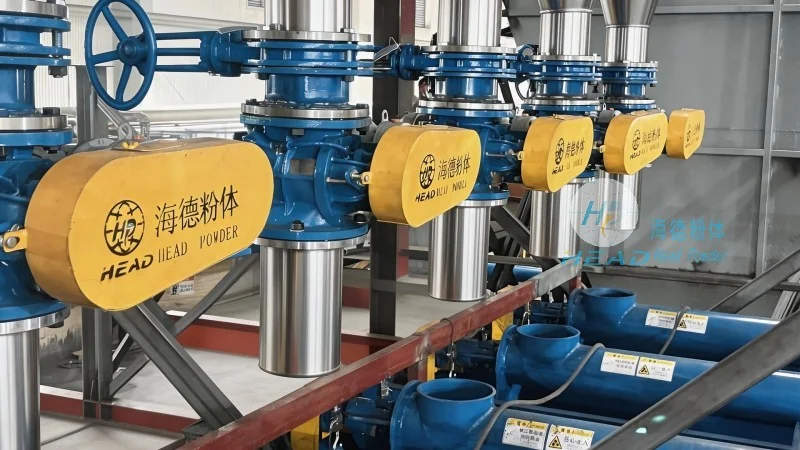
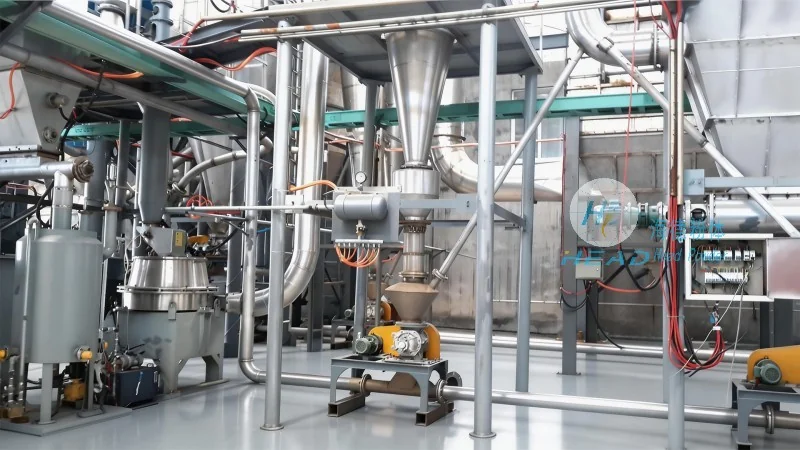
Material Feed System for Aluminum Turnings
The material feed system is a crucial component in aluminum turnings pneumatic conveying systems, as it directly impacts the system's performance and reliability. For aluminum turnings, which can be irregularly shaped and have varying particle sizes, a hopper with a sloped bottom and a rotary valve is commonly used. The hopper design ensures that the material flows smoothly into the rotary valve, which acts as a controlled gate to regulate the feed rate. This setup minimizes the risk of material bridging or clogging, which are common issues in handling abrasive materials like aluminum turnings. Additionally, the feed system may include a pre-screening or magnetic separation unit to remove foreign objects or metal contaminants, ensuring the purity of the conveyed material. The selection of the feed system depends on the specific characteristics of the aluminum turnings, such as particle size distribution and moisture content, to maintain optimal system performance.




