When it comes to efficiently transporting feed in agricultural and animal husbandry operations, selecting the right handling method is crucial for optimizing workflow, reducing labor costs, and ensuring the quality of the feed is maintained. Various methods are employed across the industry, each with its own set of advantages and applications. Understanding these options helps in making informed decisions tailored to specific operational needs.
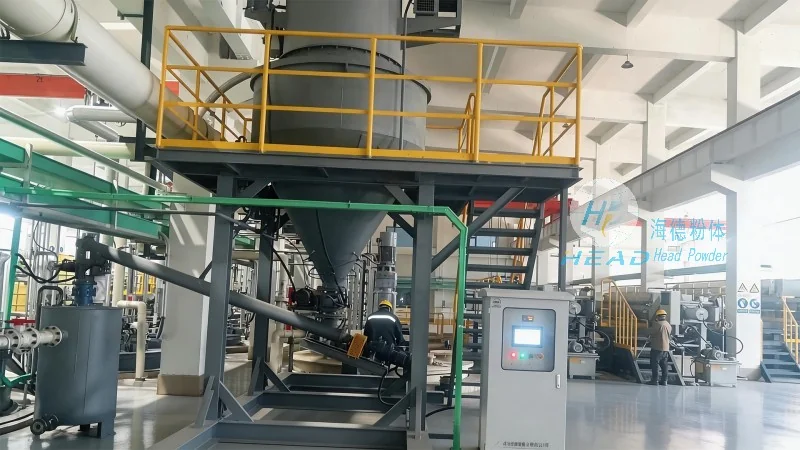
Pneumatic Feed Conveying: A Detailed Overview
Pneumatic feed conveying, also known as air-based or air-assisted transport, is a widely adopted method for moving bulk feed materials. This technology utilizes a combination of air flow and mechanical components to transport feed from one location to another without the need for mechanical contact with the material. The system typically consists of a feed hopper, a conveyor pipe, a blower or fan to generate air pressure, and a discharge point. As feed is introduced into the hopper, it is drawn into the conveyor pipe by the moving air, allowing for continuous and efficient transport over considerable distances.
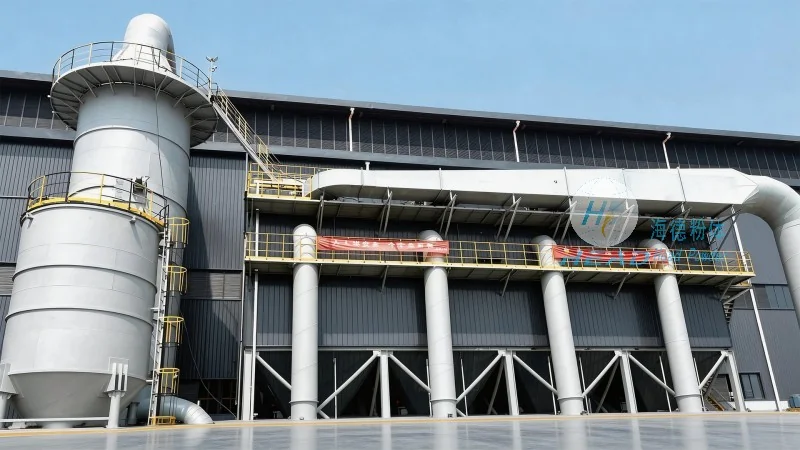
Key Advantages of Pneumatic Feed Conveying
One of the primary benefits of pneumatic feed conveying is its ability to handle a wide range of feed types, from fine powders to larger granules, with minimal degradation. The enclosed system also helps in maintaining hygiene and preventing contamination, which is critical in feed production. Additionally, this method offers significant energy efficiency compared to traditional mechanical conveyors, as the air flow can be adjusted to match the feed load, reducing power consumption. The flexibility of the system allows for easy integration into existing feed processing lines, enabling seamless expansion or modification of operations.
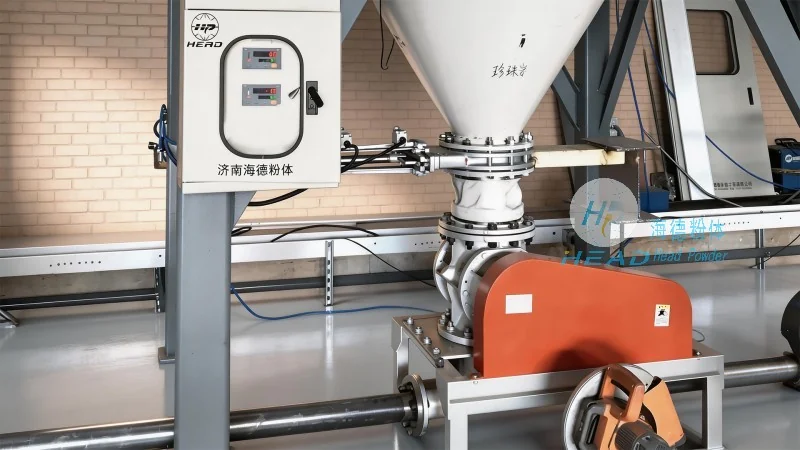
How Pneumatic Conveying Systems Work
The operation of a pneumatic feed conveying system involves several key steps. First, the feed material is fed into the hopper at a controlled rate. The blower then generates a high-pressure air stream that pulls the feed particles into the conveyor pipe. As the air and feed move through the pipe, the feed is carried to the discharge point, where the air is separated from the material and either recirculated or vented. The design of the system, including the size of the pipe, the speed of the air, and the angle of the conveyor, is critical in ensuring efficient transport without causing excessive wear or degradation of the feed.
Applications in Feed Handling
Pneumatic feed conveying is commonly used in various stages of feed processing, including raw material handling, mixing, and distribution to storage silos or feeding stations. In feed mills, for example, it can be used to transport raw ingredients from storage bins to mixing equipment, ensuring a consistent feed flow. In livestock operations, the system can efficiently deliver feed to multiple feeding points, such as in poultry houses or dairy barns, where precise and timely delivery is essential for animal health and productivity.
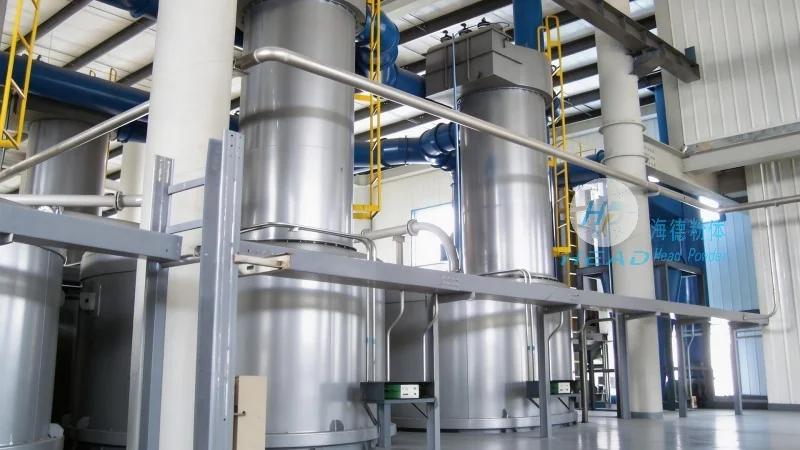
Choosing the Right Feed Handling System
When selecting a feed handling system, several factors need to be considered, including the type and quantity of feed, the distance to be transported, and the available space. Pneumatic feed conveying is particularly suitable for applications requiring high capacity, long-distance transport, or where mechanical contact with the feed is undesirable. However, the initial investment and energy costs should be evaluated against the long-term benefits, such as reduced labor and improved feed quality. Consulting with experts from companies like Shandong HeadPowder Engineering Co., Ltd. can provide valuable insights into the most appropriate system for specific operational requirements.




