Shandong HeadPowder Engineering Co., Ltd., commonly known as headpowder, specializes in the design, manufacturing, and implementation of advanced powder conveying systems tailored for industrial applications. With a focus on precision and efficiency, the company provides solutions for handling adipic acid and other fine powders, ensuring reliable material transport in various production environments. Based in Shandong, China, headpowder leverages years of experience in powder technology to deliver robust and customized conveying solutions that meet the specific needs of clients in the chemical and pharmaceutical sectors.
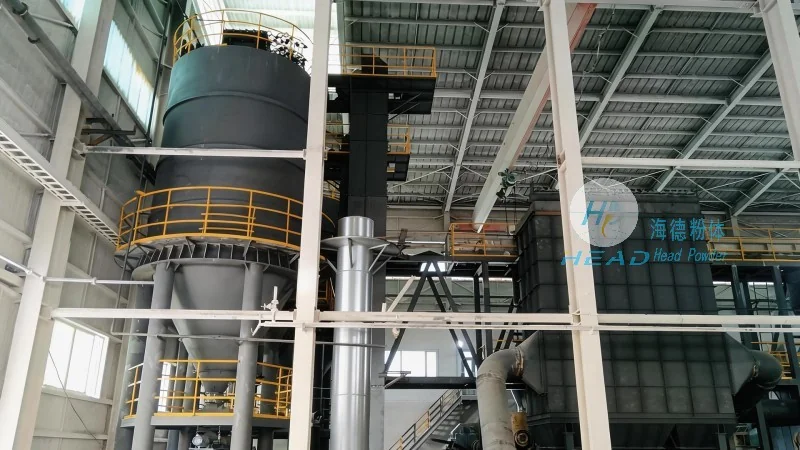
Key Features of Adipic Acid Powder Conveying Systems
Adipic acid, a critical raw material in the production of nylon and other polymers, requires specialized handling due to its fine particle size and potential for static charge accumulation. The conveying systems developed by headpowder are engineered to address these challenges, featuring components such as high-efficiency blowers, flexible hoses, and anti-static measures. These systems are designed to maintain the integrity of the powder, minimize dust generation, and ensure safe and efficient transport from storage to processing units. The equipment is constructed from corrosion-resistant materials, suitable for the acidic properties of adipic acid, and equipped with monitoring systems to track flow rates and detect any anomalies in the conveying process.
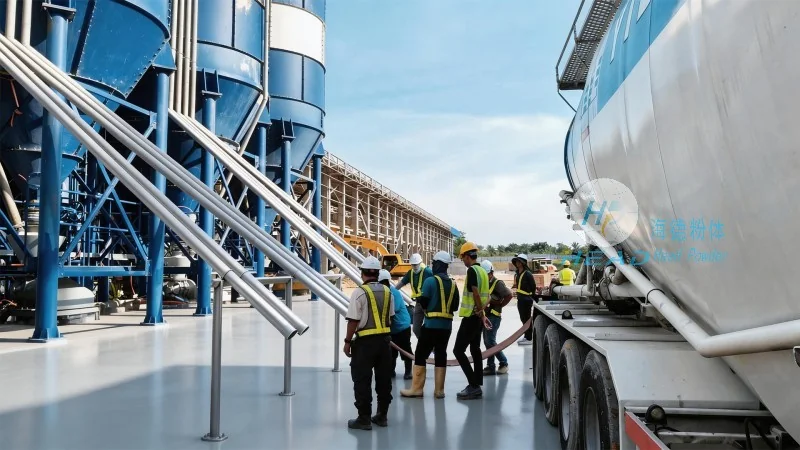
Operation Process of Adipic Acid Powder Conveying
The operation of adipic acid powder conveying systems typically involves several key steps. First, the powder is stored in a hopper or silo, where it is fed into the conveying line via a rotary valve or feeder. The system then uses a positive displacement blower or a centrifugal fan to create the necessary airflow, which propels the powder through the pipeline. The conveying line may include bends, elbows, and straight sections, all designed to minimize pressure loss and maintain consistent flow. At the destination, the powder is discharged into a receiver or processing vessel, where it is collected for further use. The entire process is controlled by a programmable logic controller (PLC), which monitors parameters like pressure, flow rate, and temperature to ensure optimal performance. Regular maintenance, including cleaning of filters and checking for wear on components, is essential to maintain the efficiency and longevity of the system.
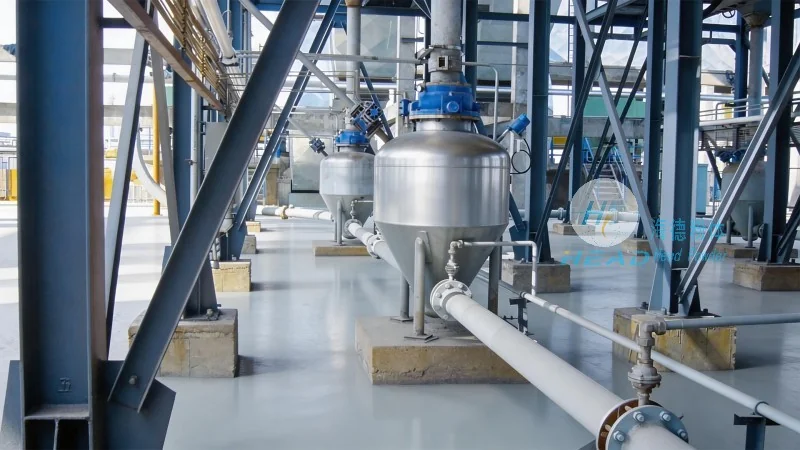
Working Principle of Adipic Acid Powder Conveying Systems
The working principle of adipic acid powder conveying systems is based on the fundamental concept of pneumatic conveying, where compressed air or gas is used to transport solid particles. In the case of headpowder's systems, a positive pressure system is commonly employed, where the air is introduced at the inlet of the conveying line, creating a pressure differential that moves the powder forward. The velocity of the air is critical; it must be sufficient to overcome the gravitational and frictional forces acting on the powder particles while preventing excessive velocity that could cause particle degradation or system wear. The system's design includes features such as pulse-jet cleaning of the pipeline to prevent clogging, and the use of flexible hoses to accommodate movement and reduce stress on the components. The control system ensures that the air pressure and flow rate are adjusted dynamically based on the amount of powder being conveyed, maintaining a stable and efficient operation.
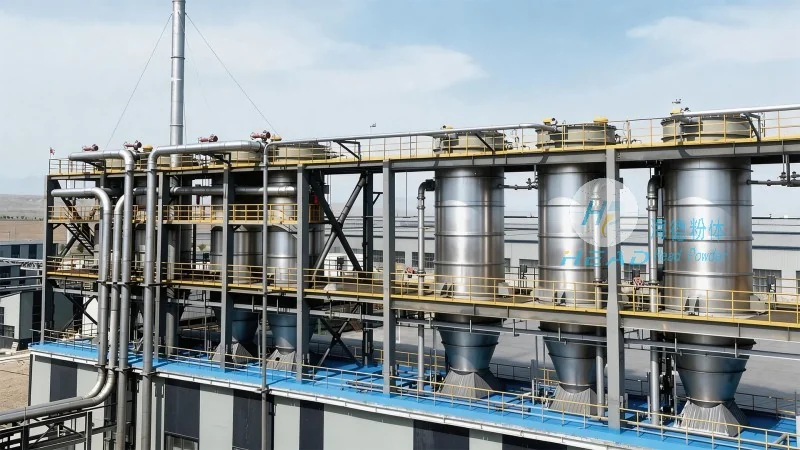
Benefits and Applications of Adipic Acid Powder Conveying Solutions
The adipic acid powder conveying systems offered by headpowder provide numerous benefits to industrial operations. By automating the material handling process, the systems reduce labor costs and improve safety by minimizing manual handling of fine powders. The efficient design reduces energy consumption compared to traditional methods, such as bucket elevators or belt conveyors. Additionally, the systems help maintain product quality by preventing contamination and degradation during transport. These solutions are widely used in the chemical industry for the production of adipic acid-based products, as well as in the pharmaceutical sector for handling related powders. The systems are scalable, allowing for customization to accommodate varying production volumes and plant layouts, making them suitable for both small-scale and large-scale operations.




