Wheat bran, a byproduct of the milling process, is commonly used in animal feed, biofuel production, and other industrial applications. Efficient and reliable conveying of wheat bran is crucial for optimizing production lines and maintaining operational efficiency. This article explores common wheat bran conveying methods, with a focus on the advantages and applications of pneumatic conveying systems.
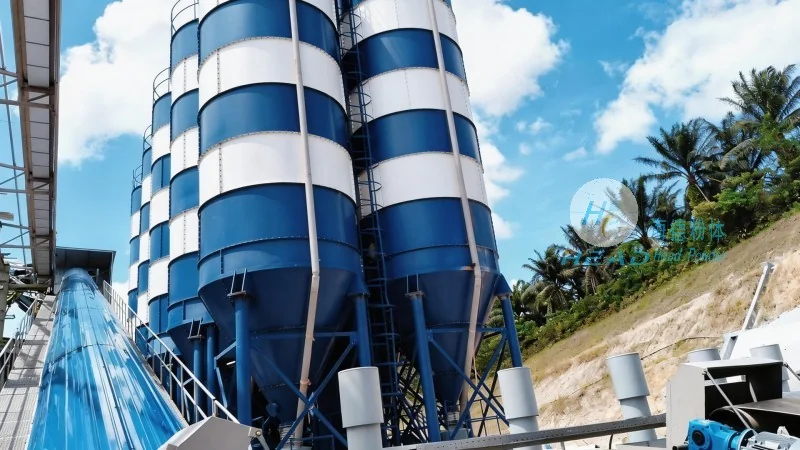
Introduction to Wheat Bran Pneumatic Conveying
Pneumatic conveying, also known as air conveying, is a method of transporting bulk materials like wheat bran using a flow of pressurized or vacuum air. This technology offers several benefits over traditional mechanical conveying systems, including reduced equipment wear, lower maintenance costs, and the ability to handle materials in a dust-free environment. The process typically involves a hopper, a conveyor line, and a receiver, with air moving the bran through the system.
Key Components of a Wheat Bran Pneumatic Conveying System
The effectiveness of a wheat bran pneumatic conveying system depends on several key components. The hopper, where the bran is stored, is designed to feed the material into the conveyor line. The conveyor line itself can be either positive pressure or negative pressure, each with its own advantages. Positive pressure systems use compressed air to push the bran forward, while negative pressure systems use vacuum to pull the material. The receiver, where the bran is deposited, is typically equipped with a filter to prevent dust from escaping. Additionally, the system may include a rotary valve or a star valve to control the flow of bran from the hopper to the conveyor line.
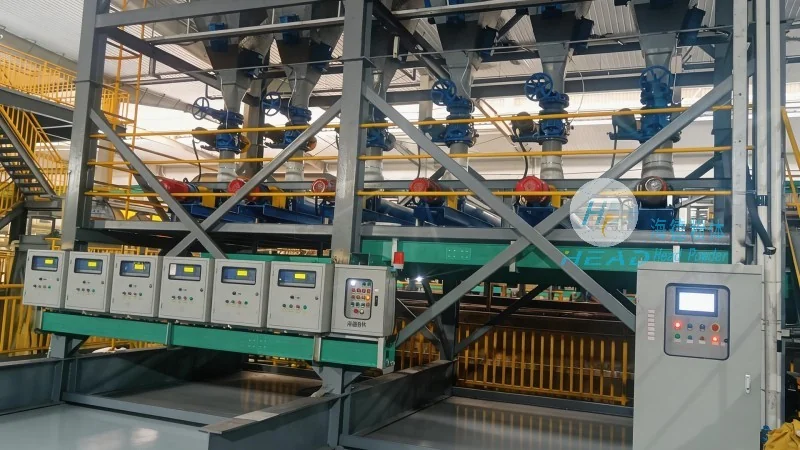
Advantages of Wheat Bran Pneumatic Conveying
Compared to mechanical conveying methods such as screw conveyors or belt conveyors, pneumatic conveying offers several advantages. First, it reduces the risk of contamination and cross-contamination, which is critical for food and animal feed applications. Second, it minimizes product degradation, as the bran is not subjected to friction or impact during transport. Third, it allows for longer transport distances without significant loss of material. Fourth, the system can be easily integrated with other equipment, such as mixers or dryers, to form a complete production line. Finally, pneumatic conveying systems are generally more energy-efficient than mechanical systems, as they use less power to move the same amount of material.
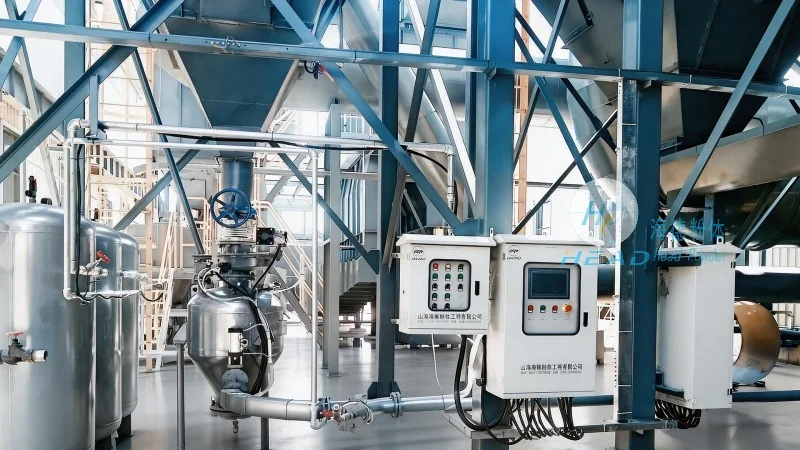
Applications of Wheat Bran Pneumatic Conveying
Wheat bran pneumatic conveying systems are widely used in various industries. In the animal feed industry, these systems are used to transport bran from storage silos to feed mills, ensuring a consistent supply of raw material. In the biofuel industry, pneumatic conveying is used to transport bran to bioreactors for processing into ethanol or other biofuels. Additionally, in the food processing industry, pneumatic conveying is used to transport bran to production lines for use in baked goods or other food products. The versatility of pneumatic conveying systems makes them suitable for a wide range of applications, from small-scale operations to large industrial facilities.
Conclusion
Wheat bran pneumatic conveying is a highly effective method for transporting bulk materials. By understanding the key components and advantages of this technology, businesses can optimize their production lines and improve operational efficiency. As a leading provider of engineering solutions, Shandong HeadPowder Engineering Co., Ltd. specializes in designing and manufacturing custom pneumatic conveying systems tailored to the specific needs of each client. With years of experience in the industry, HeadPowder offers reliable and efficient solutions for wheat bran and other bulk material conveying.




