The negative pressure dilute phase powder conveying system represents a sophisticated approach to bulk material handling, particularly for powders and granular substances. This technology is engineered to transport materials efficiently while maintaining a controlled environment, minimizing dust dispersion and ensuring operational safety. The system is integral to industries such as chemical processing, food production, pharmaceutical manufacturing, and mining, where the seamless transfer of bulk powders is critical for production continuity and product quality. By leveraging a negative pressure mechanism, the system creates an air flow that draws material from the source to the destination, making it an ideal solution for applications requiring long-distance or complex routing of powder streams.
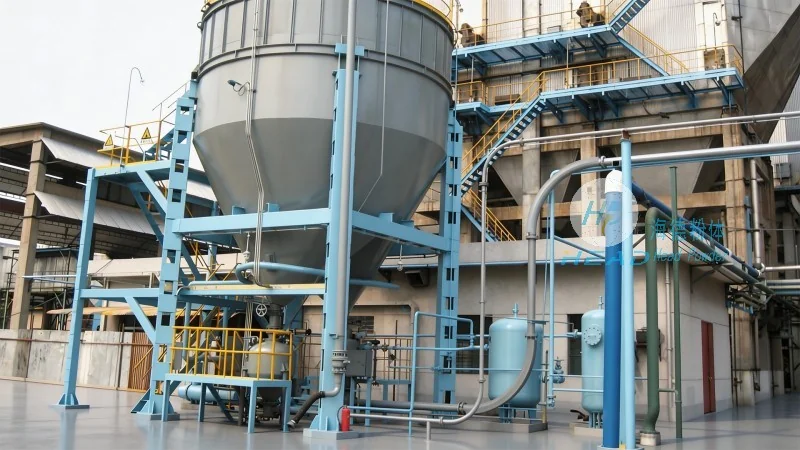
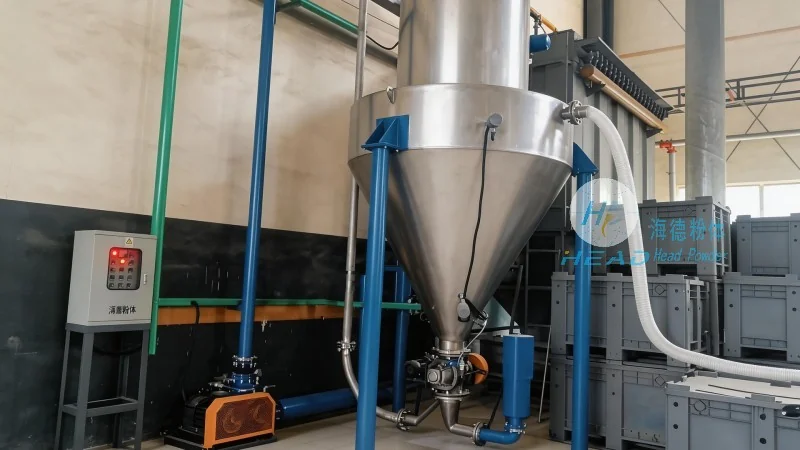
Key Components and Their Functions in the System
The effective operation of a negative pressure dilute phase powder conveying system relies on a carefully integrated set of components, each with a specific role in the overall process. The primary components include the material hopper, which serves as the storage and feeding unit for the powder; the conveying pipeline, which forms the path for the material and air mixture; the air compressor or blower, responsible for generating the negative pressure and driving the air flow; the dust filter or air cleaning system, which removes particulate matter from the exhaust air; and the control panel, which monitors and regulates system parameters such as pressure, flow rate, and material level. Each component is designed to work in harmony, ensuring consistent performance and reliability throughout the conveying process.
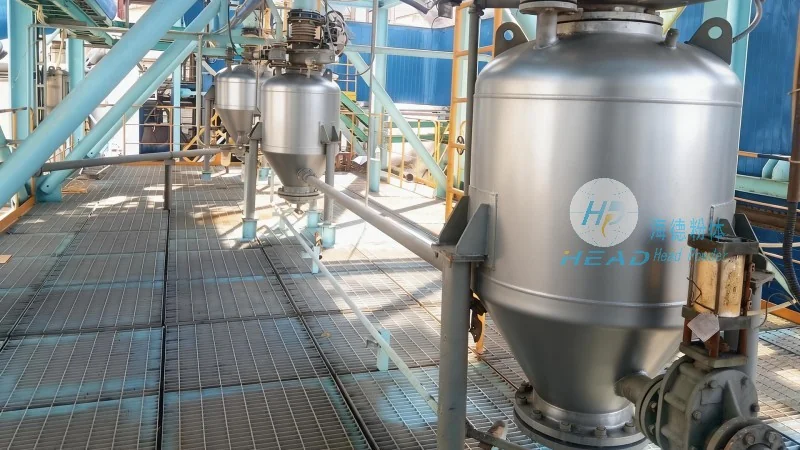
Step-by-Step Operation Process
The operation of the negative pressure dilute phase powder conveying system follows a systematic sequence that ensures smooth and continuous material transfer. Initially, the powder is loaded into the hopper from the source, such as a silo or storage bin. The air compressor then activates, creating a negative pressure within the pipeline. This pressure differential draws the powder particles into the air stream, forming a dilute mixture of material and air. The mixture travels through the pipeline to the receiving end, where it is directed into a dust separator or cyclone. In this separator, the powder is separated from the air, with the powder being discharged to the destination point and the air being filtered and recirculated back to the system. This cycle repeats continuously, maintaining a steady flow of material from the source to the destination. The system's control panel continuously monitors key parameters, allowing for real-time adjustments to optimize performance and prevent operational issues.
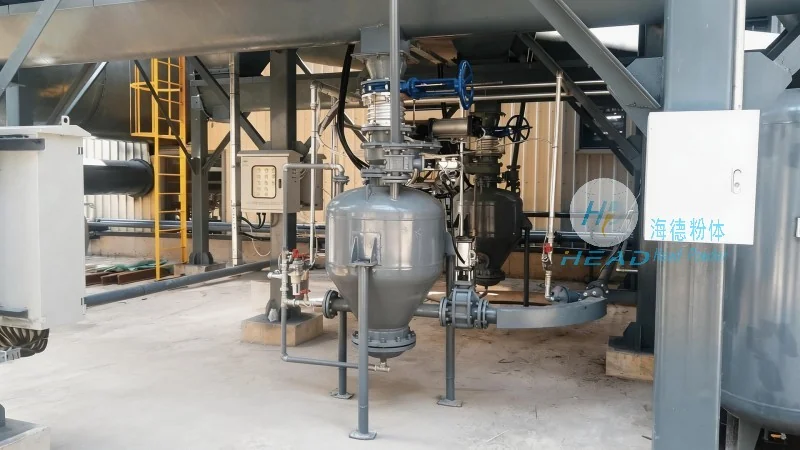
Working Principle Explained
The fundamental working principle of the negative pressure dilute phase powder conveying system is centered on the creation and maintenance of a pressure differential. By maintaining a lower pressure inside the conveying pipeline compared to the ambient environment, the system induces a suction effect that draws the powder particles into the air flow. The air compressor or blower provides the necessary air volume and pressure to generate this negative pressure, ensuring that the material is effectively transported. The air flow, which is typically at a velocity sufficient to suspend the powder particles, carries them through the pipeline. The negative pressure environment not only facilitates the transportation but also helps in containing dust, reducing the risk of airborne contamination and improving workplace safety. The dust filter at the end of the system plays a crucial role in cleaning the exhaust air, removing any residual particulate matter before it is recirculated, thereby minimizing environmental impact and ensuring compliance with air quality regulations.




