Warehouse vacuum conveying systems are advanced industrial solutions designed to efficiently transport bulk materials, powders, and granules within storage facilities. These systems are engineered to enhance operational efficiency, reduce labor costs, and ensure consistent material handling processes. The technology behind these systems combines vacuum physics with mechanical components to create a reliable and versatile material transport solution.
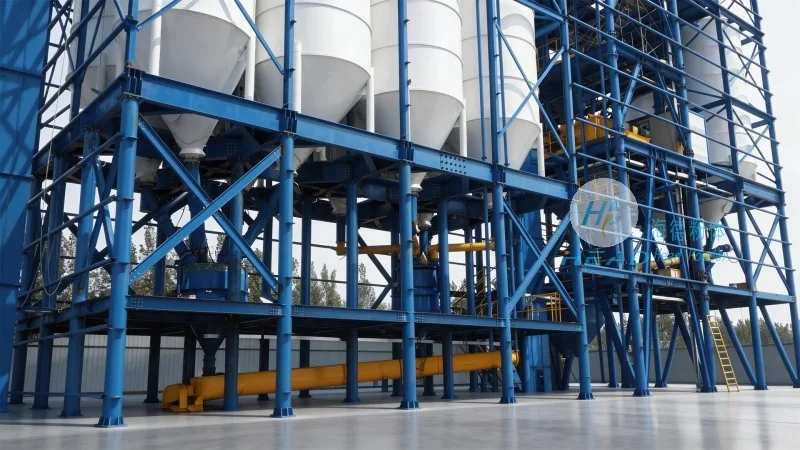
Company Overview: Shandong HeadPowder Engineering Co., Ltd.
HeadPowder, a leading manufacturer in the material handling industry, specializes in the design, development, and implementation of high-quality vacuum conveying systems. With a strong focus on innovation and customer satisfaction, the company has established itself as a trusted partner for businesses seeking efficient and reliable material transport solutions. HeadPowder's headquarters are located in Shandong, China, where the company leverages local expertise and advanced manufacturing capabilities to deliver top-tier products to global markets.
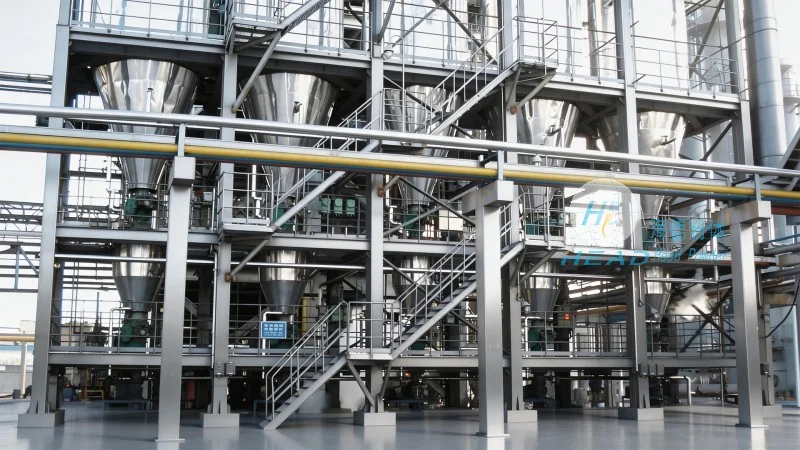
The Working Principle of Vacuum Conveying Systems
At the core of warehouse vacuum conveying systems is the principle of creating a pressure differential between the material source and the receiving container. The system operates by drawing air and material particles from the source through a vacuum pump, which generates a negative pressure in the conveying line. As the vacuum is applied, material particles are entrained in the airflow and transported through the pipeline to the destination. The process involves several key components, including a vacuum pump, material feed hopper, conveying line, and receiving container, all working in tandem to ensure smooth and continuous material flow.
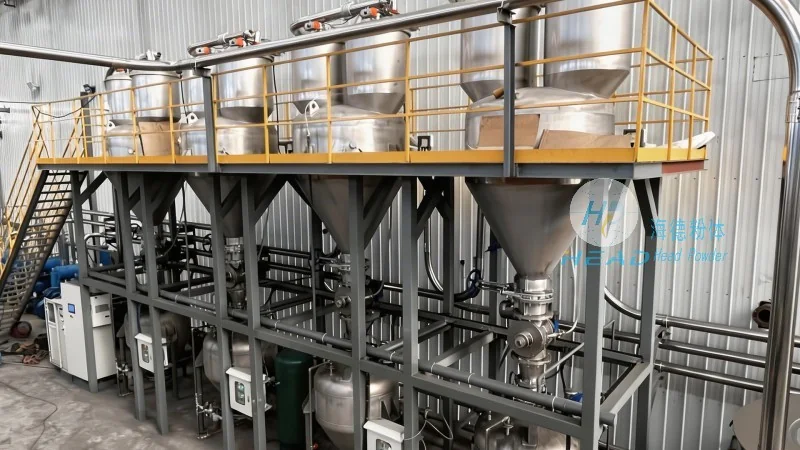
Step-by-Step Operation Process
The operation of a warehouse vacuum conveying system typically follows a structured sequence to ensure optimal performance. The process begins with the preparation of the material to be conveyed, where the material is loaded into the feed hopper. The vacuum pump is then activated, creating a vacuum in the system. As the vacuum is established, material particles are drawn from the hopper and into the conveying line. The material travels through the pipeline, which may include bends, filters, and other components to ensure clean and efficient transport. Upon reaching the receiving container, the material is deposited, and the vacuum is maintained until the desired quantity is transferred. The system then returns to a standby mode, ready for the next cycle.
Key Components and Their Functions
Several critical components contribute to the effective operation of warehouse vacuum conveying systems. The vacuum pump is the primary driver, responsible for generating the necessary suction force. The material feed hopper ensures a consistent supply of material, preventing blockages and maintaining flow rates. The conveying line, often made of stainless steel or other durable materials, provides a smooth path for material transport while minimizing friction and material degradation. Filters are integrated into the system to remove dust and debris, ensuring the purity of the conveyed material. Additionally, control systems and sensors monitor the operation, providing real-time feedback and enabling automatic adjustments to maintain optimal performance.
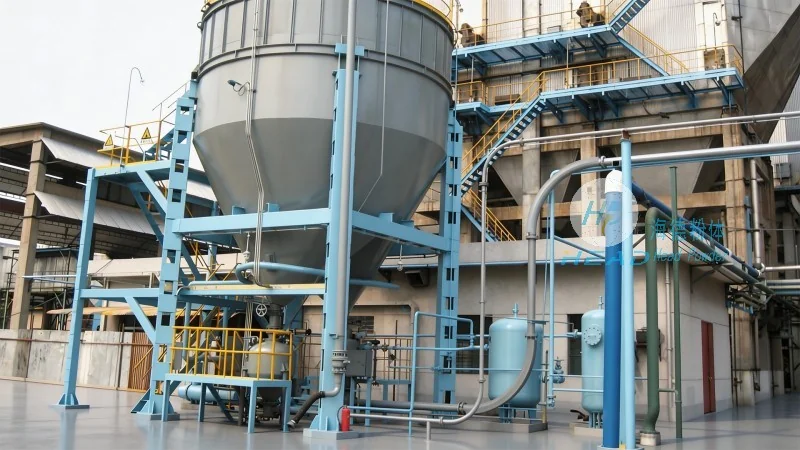
Benefits and Applications in Warehouse Management
Warehouse vacuum conveying systems offer numerous advantages for modern logistics and material handling operations. These systems enhance productivity by automating material transport, reducing the need for manual handling and associated labor costs. The technology also improves material quality by minimizing contamination and degradation during transport. Furthermore, the systems are highly flexible, capable of handling a wide range of materials, including powders, granules, and small particles. In warehouse environments, these systems are commonly used for transporting raw materials to production lines, moving finished products to storage areas, and managing inventory levels. The efficiency and reliability of vacuum conveying systems make them an essential component of modern warehouse management strategies.




