When it comes to the efficient and reliable transportation of fine powders, pneumatic conveying systems have emerged as a cornerstone technology in various industrial sectors. These systems utilize air or other gases to move particulate materials through a pipeline network, offering advantages such as reduced equipment wear, improved safety, and the ability to handle materials that are difficult to transport via traditional methods. In this article, we will explore the fundamental concepts of fine powder pneumatic conveying and delve into the core design principles that govern these systems.
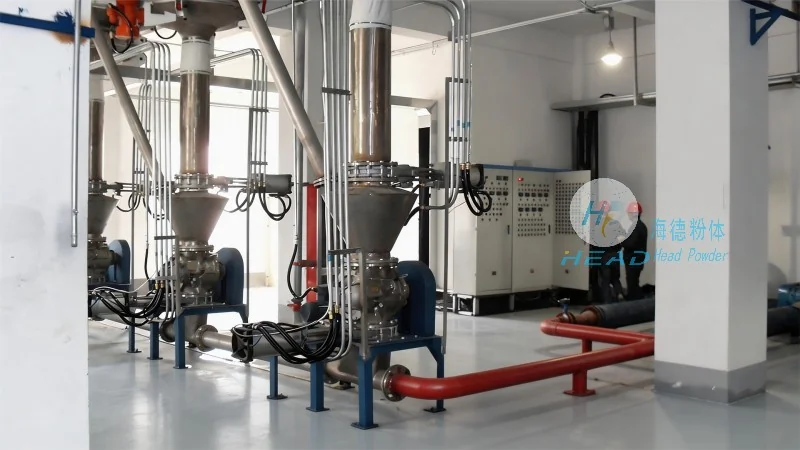
Understanding Fine Powder Pneumatic Conveying
Fine powder pneumatic conveying refers to the process of transporting fine particulate materials, typically with particle sizes ranging from a few microns to a few hundred microns, using a pressurized or vacuum-driven air stream. Unlike bulk materials that can be handled by gravity or mechanical means, fine powders often present unique challenges due to their high surface area, tendency to agglomerate, and susceptibility to dust generation. Pneumatic conveying addresses these challenges by creating a fluidized or suspended state of the powder particles within the conveying air, allowing them to be transported through pipelines with minimal loss and degradation.
Key Design Principles for Fine Powder Pneumatic Conveying Systems
The successful design of a fine powder pneumatic conveying system relies on several critical principles that ensure optimal performance, efficiency, and material integrity. These principles are tailored to the specific characteristics of the powder being conveyed, including particle size distribution, moisture content, and flow properties. The primary design considerations include:
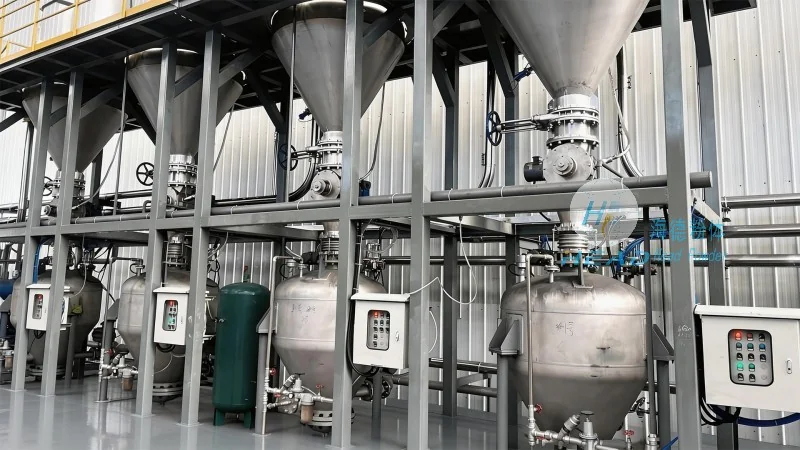
1. Air Velocity and Pressure
One of the most fundamental design principles is the control of air velocity and pressure within the conveying system. The air velocity must be sufficient to suspend the powder particles and overcome the gravitational forces acting on them. Typically, air velocities range from 20 to 40 meters per second for fine powders, depending on the particle size and density. The pressure level, whether positive (pressure) or negative (vacuum), determines the system's capacity and the distance over which the material can be conveyed. Positive pressure systems are commonly used for long-distance or high-capacity applications, while vacuum systems are suitable for short-distance or where the material needs to be collected from a source.
2. Particle Size and Flowability
The size and flowability of the fine powder are critical factors in system design. Coarser particles require higher air velocities to remain suspended, while finer particles may need lower velocities to avoid excessive pressure drop and energy consumption. The flowability of the powder, often measured by its angle of repose or bulk density, influences the design of the feeding mechanisms and the overall system layout. Properly designed feeders, such as rotary valves or screw feeders, are essential to maintain a consistent flow rate and prevent blockages or surges that could disrupt the conveying process.
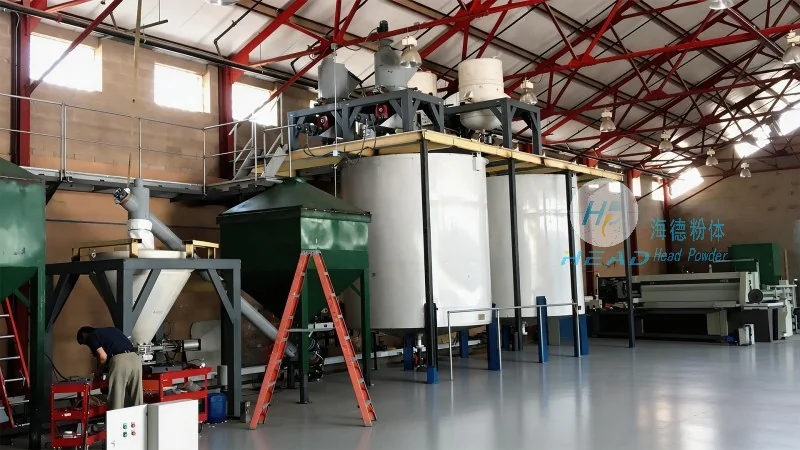
3. System Layout and Pipeline Design
The layout of the pneumatic conveying system, including the arrangement of pipelines, bends, and fittings, plays a crucial role in maintaining the integrity of the conveyed material. Sharp bends and sudden changes in direction can cause particle separation, agglomeration, or abrasion, leading to system inefficiencies or equipment damage. Therefore, the design incorporates smooth transitions and appropriate bend radii to minimize these issues. The pipeline material is also selected based on the chemical compatibility with the powder and the need for low friction to reduce pressure drop. Common materials include stainless steel, carbon steel, and plastic, depending on the application requirements.
4. Filtration and Dust Control
Due to the fine nature of the powder, effective filtration and dust control are essential to prevent environmental contamination and maintain system performance. The system typically includes a filter unit at the end of the conveying line to capture any escaped particles. The filter type, such as bag filters or cartridge filters, is chosen based on the particle size and the required filtration efficiency. Regular maintenance of the filter is necessary to ensure consistent performance and prevent pressure buildup that could affect the conveying capacity.
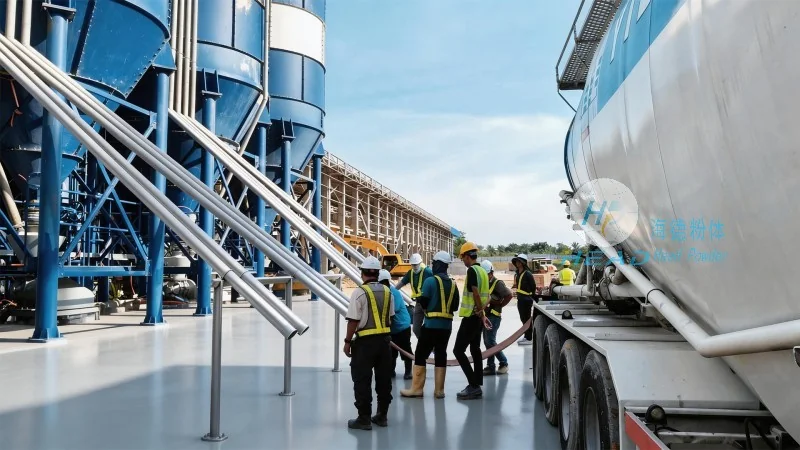
5. Energy Efficiency and System Integration
Designing an energy-efficient system is a key consideration for modern pneumatic conveying applications. This involves optimizing the air velocity to the minimum required for reliable conveying, selecting appropriate pump or fan sizes, and minimizing pressure losses in the pipeline. Additionally, the integration of the conveying system with other process equipment, such as storage silos or processing units, is crucial for seamless operation. The use of automated controls and monitoring systems helps in maintaining optimal conditions and detecting any deviations that could impact the system's performance.
Company Information: Shandong HeadPowder Engineering Co., Ltd.
HeadPowder, a leading provider of pneumatic conveying solutions, specializes in designing and manufacturing systems tailored to the unique needs of fine powder handling. With a strong commitment to innovation and quality, the company has established itself as a trusted partner in various industries, including pharmaceuticals, food processing, and chemical manufacturing. HeadPowder's expertise lies in understanding the complexities of fine powder behavior and translating that knowledge into robust, efficient conveying systems. The company's headquarters is located in Shandong, China, where it leverages advanced technology and engineering capabilities to deliver solutions that meet the highest standards of performance and reliability.




