Small bag feed material pneumatic conveying is a specialized method used in industrial processes to transport bulk materials from one location to another using air or gas as the conveying medium. This technology is particularly relevant for handling materials that are typically packaged in small bags, such as powders, granules, or other fine particulate substances. The system, designed and manufactured by Shandong HeadPowder Engineering Co., Ltd. (headpowder), ensures efficient and controlled transfer without the need for mechanical components like belts or buckets.
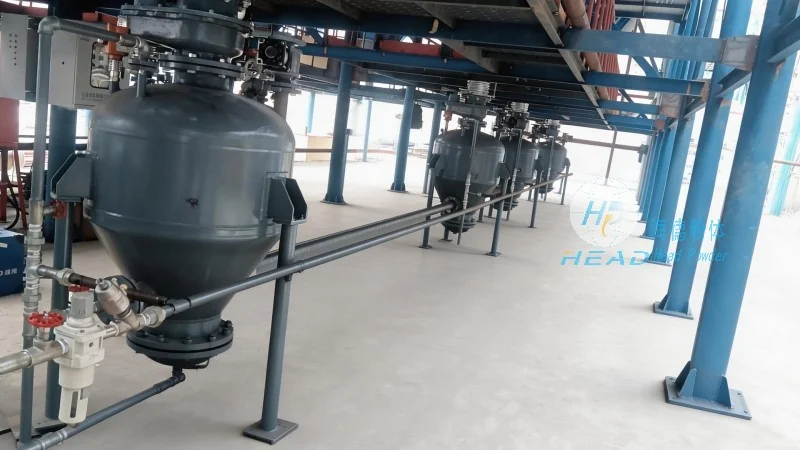
Understanding the Core Concept of Small Bag Feed Material Pneumatic Conveying
At its essence, small bag feed material pneumatic conveying systems are designed to automate the handling of bulk materials from their original packaging (small bags) into a processing or storage system. The system typically includes a hopper or feeder that opens the bags, discharges the material into a conveying line, and then transports it to the destination. This approach eliminates the need for manual unloading and reduces the risk of material contamination or loss, which is crucial for industries where product purity and consistency are paramount.
Key Design Principles Behind Small Bag Feed Material Pneumatic Conveying
The design of small bag feed material pneumatic conveying systems is governed by several critical principles that ensure optimal performance and efficiency. First, the system must be capable of handling the specific characteristics of the material being conveyed—such as particle size, density, and moisture content—to prevent blockages or degradation. Second, the air velocity and pressure within the conveying line must be carefully controlled to maintain a stable flow and prevent material degradation or dust generation. Third, the system must incorporate appropriate filtration and cleaning mechanisms to maintain air quality and prevent material buildup in the system. Additionally, the design must consider the overall system layout, including the number of conveying lines, the distance to be covered, and the required throughput, to ensure that the system meets the operational demands of the application.
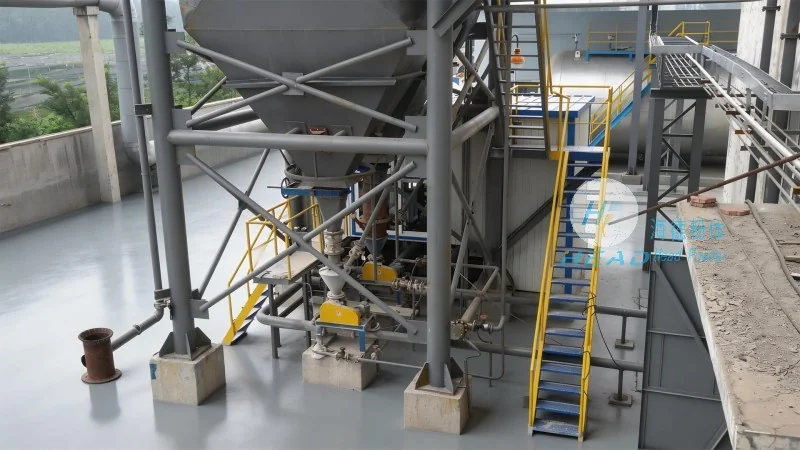
Components and Functionality of Small Bag Feed Material Pneumatic Conveying Systems
Small bag feed material pneumatic conveying systems consist of several key components that work in tandem to achieve efficient material transfer. The primary components include a bag opening and feeding mechanism, a hopper or feeder to collect the material, a conveying line (often made of metal or flexible tubing), a blower or vacuum pump to create the pressure differential, and a receiver or storage tank at the destination. The bag opening mechanism may use mechanical or pneumatic tools to cut or tear the bag open, while the feeder ensures a consistent flow of material into the conveying line. The blower or pump provides the necessary air movement, and the receiver collects the material for further processing or storage. Each component must be designed to handle the specific material properties and operational requirements to ensure reliable performance.
Applications and Industries Benefiting from Small Bag Feed Material Pneumatic Conveying
Small bag feed material pneumatic conveying is widely used across various industries where bulk material handling is essential. These include the chemical industry for transporting powders and granules, the food and beverage industry for handling ingredients like flour, sugar, or spices, the pharmaceutical industry for processing raw materials and finished products, and the agricultural industry for moving fertilizers or seeds. The technology is particularly advantageous in applications where material purity, hygiene, and minimal contamination are critical, as the enclosed system prevents exposure to external elements and reduces the risk of cross-contamination. Additionally, the system can handle a wide range of material types, from fine powders to coarse granules, making it versatile for different industrial needs.
Advantages of Implementing Small Bag Feed Material Pneumatic Conveying Systems
Adopting small bag feed material pneumatic conveying systems offers several significant advantages over traditional mechanical conveying methods. First, the enclosed system reduces dust generation and improves workplace safety by minimizing exposure to airborne particles. This is particularly important in industries where dust is a health hazard or can cause equipment damage. Second, the system eliminates the need for manual handling, reducing labor costs and the risk of workplace injuries associated with lifting and moving heavy bags. Third, the automated process ensures consistent material flow and reduces the risk of human error, leading to improved product quality and process reliability. Fourth, the system can handle a wide range of material types and sizes, making it adaptable to different production requirements. Finally, the enclosed design helps maintain material integrity and prevents contamination, which is crucial for industries where product purity is a key differentiator.
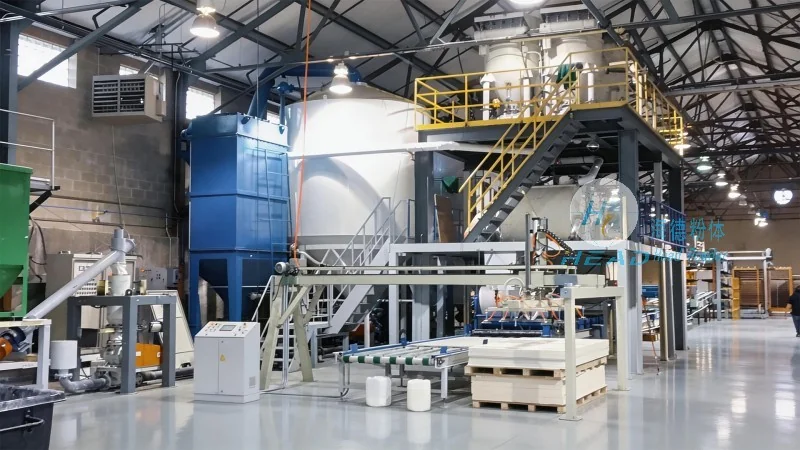
Considerations for Designing and Implementing Small Bag Feed Material Pneumatic Conveying Systems
When designing and implementing small bag feed material pneumatic conveying systems, several factors must be considered to ensure optimal performance and longevity. First, the material properties of the bulk material being conveyed must be thoroughly evaluated to determine the appropriate conveying method (e.g., pressure or vacuum system) and system components. For example, materials with high moisture content or sticky properties may require additional drying or conditioning steps to prevent blockages. Second, the system layout and distance to be covered must be carefully planned to ensure that the air velocity and pressure are sufficient to maintain a stable flow without causing excessive energy consumption. Third, the system must be equipped with appropriate filtration and cleaning mechanisms to maintain air quality and prevent material buildup in the conveying line. Fourth, the system should include safety features such as pressure relief valves and emergency shut-off mechanisms to prevent accidents or equipment damage. Finally, regular maintenance and inspection of the system are essential to ensure that it operates efficiently and reliably over time.
Conclusion: The Role of Small Bag Feed Material Pneumatic Conveying in Modern Industrial Processes
Small bag feed material pneumatic conveying is a critical technology in modern industrial processes, providing an efficient and reliable method for handling bulk materials from small bags. By understanding the design principles and components of these systems, industries can optimize their material handling operations, improve product quality, and enhance workplace safety. As the demand for efficient and automated material handling solutions continues to grow, small bag feed material pneumatic conveying systems will remain a vital component of industrial operations, particularly in industries where material purity and consistency are essential. The technology's ability to handle a wide range of materials and its enclosed design make it a preferred choice for many applications, contributing to the overall productivity and competitiveness of modern manufacturing and processing industries.




