For industrial applications that require precise material handling and weighing, fully automatic weighing material pneumatic conveying systems offer an efficient solution. These systems integrate advanced technology to ensure accurate measurement and reliable transport of bulk materials. In this article, we will explore the fundamental concepts behind these systems and delve into their design principles, highlighting how they enhance operational efficiency and accuracy in material processing.
Understanding the Core Function of Fully Automatic Weighing Material Pneumatic Conveying
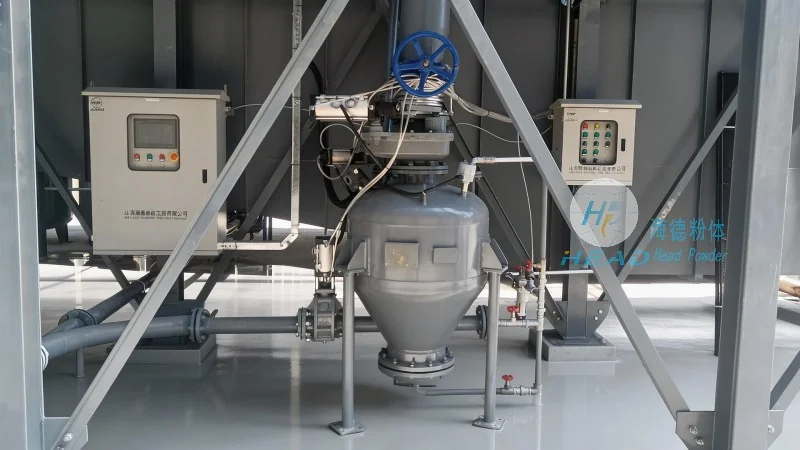
The primary objective of fully automatic weighing material pneumatic conveying is to transport bulk materials from one location to another while simultaneously measuring their weight. This integration of conveying and weighing capabilities eliminates the need for separate equipment, streamlining the material handling process. The system typically consists of a hopper, a pneumatic conveying line, and a weighing scale, all interconnected to operate in a synchronized manner. As materials are fed into the hopper, they are conveyed through the pneumatic line under controlled air pressure, and the weight is continuously monitored and recorded. This approach ensures that the material flow is accurately tracked, enabling real-time data for process optimization and quality control.
Key Design Principles of Fully Automatic Weighing Material Pneumatic Conveying Systems
The design of these systems is based on several critical principles to ensure optimal performance and reliability. First, the system must maintain consistent air pressure and flow rates to achieve uniform material transport. This is achieved through the use of high-quality air compressors and pressure regulators that provide stable airflow. Second, the weighing mechanism must be accurate and responsive, capable of measuring small changes in weight as materials move through the system. Modern systems often employ load cells and digital scales that offer high precision and minimal hysteresis, ensuring that weight data is reliable. Third, the control system plays a vital role in coordinating the operation of the conveying and weighing functions. Advanced control algorithms and programmable logic controllers (PLCs) are used to manage the flow of materials, adjust air pressure, and record weight data automatically. This automation reduces the need for manual intervention, minimizing human error and enhancing operational consistency.
Components and Their Roles in the System
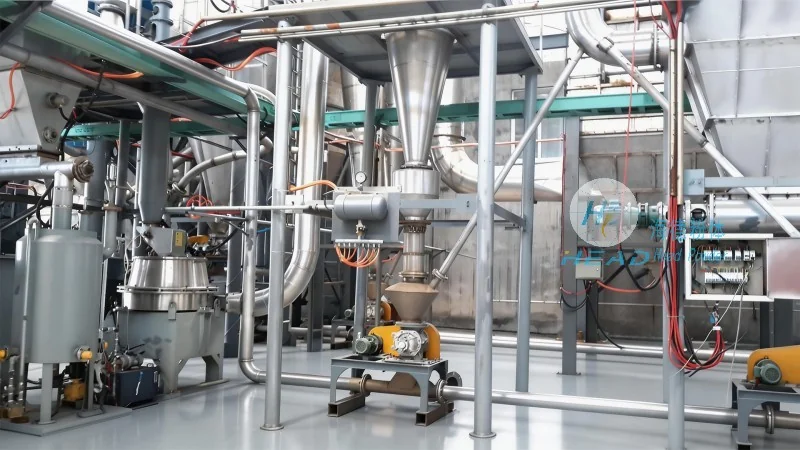
Several key components work together to make the fully automatic weighing material pneumatic conveying system function effectively. The hopper serves as the storage and feeding unit, where bulk materials are loaded and then discharged into the conveying line. The hopper design is crucial for preventing material bridging and ensuring a smooth flow. The pneumatic conveying line, typically made of stainless steel or other corrosion-resistant materials, transports the materials using compressed air. The line includes components such as elbows, tees, and filters to direct the airflow and prevent material buildup. The weighing scale, often integrated into the hopper or the receiving end of the line, measures the weight of the material as it passes through. This scale is connected to the control system, which processes the weight data and adjusts the conveying parameters accordingly. Additionally, the control panel provides operators with real-time information about the system's status, including weight readings, air pressure, and material flow rates. This allows for immediate troubleshooting and adjustments if any issues arise.
Benefits of Implementing Fully Automatic Weighing Material Pneumatic Conveying
Adopting a fully automatic weighing material pneumatic conveying system offers numerous advantages for industrial operations. One of the most significant benefits is improved accuracy in material measurement. By integrating weighing directly into the conveying process, the system reduces errors associated with manual weighing or separate weighing equipment. This leads to better inventory management and reduced waste. Another key benefit is enhanced operational efficiency. The automation of the process minimizes downtime and labor costs, as the system can operate continuously without constant human supervision. Additionally, the system's ability to handle various types of bulk materials, including powders and granules, makes it versatile for different industries such as pharmaceuticals, food processing, and chemical manufacturing. The consistent and reliable performance of these systems also contributes to improved product quality and customer satisfaction. Furthermore, the integration of advanced control systems allows for easy integration with other production processes, enabling seamless data exchange and process optimization.
Application Examples and Industry Use Cases
Fully automatic weighing material pneumatic conveying systems are widely used across various industries due to their adaptability and efficiency. In the pharmaceutical industry, these systems are essential for handling active pharmaceutical ingredients (APIs) and other sensitive materials, ensuring precise dosing and quality control. The ability to weigh materials in real-time helps maintain compliance with regulatory standards. In the food processing industry, the systems are used for conveying ingredients such as flour, sugar, and spices, while maintaining hygiene and accuracy. The food-grade materials and components used in these systems ensure that they meet strict sanitary requirements. In the chemical industry, the systems handle a variety of chemicals, from powders to granules, with the ability to adjust for different material properties and flow characteristics. The robust design of the systems allows them to withstand harsh chemical environments, ensuring long-term reliability. Additionally, in the cement and construction industries, these systems are used for transporting raw materials such as limestone and clay, contributing to the efficiency of large-scale production processes.
Maintenance and Operational Considerations
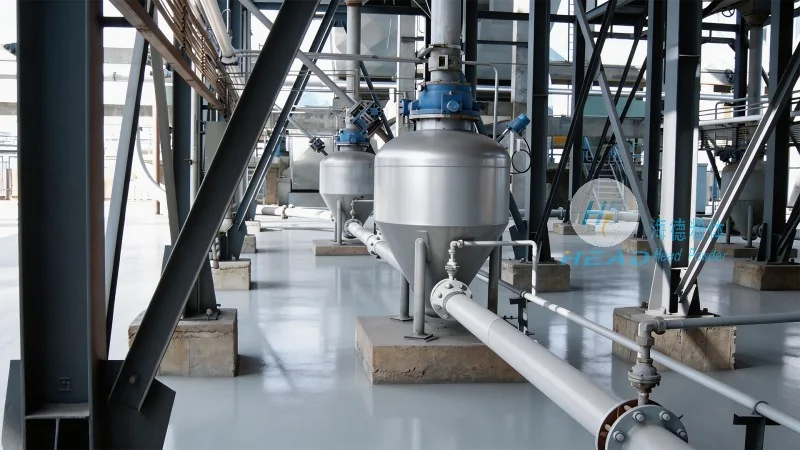
To ensure the long-term performance and reliability of fully automatic weighing material pneumatic conveying systems, proper maintenance and operational considerations are essential. Regular maintenance includes checking and replacing air filters to prevent dust buildup, inspecting the pneumatic line for leaks or blockages, and calibrating the weighing scale to maintain accuracy. The control system should be monitored regularly to ensure that all components are functioning correctly and that the software is up to date. Operators should be trained on the proper use and maintenance of the system to prevent damage and ensure optimal performance. Additionally, it is important to consider the environmental factors that may affect the system's operation, such as temperature and humidity, as these can impact the performance of the air compressor and the weighing mechanism. By following a regular maintenance schedule and adhering to operational guidelines, the system can operate efficiently for many years, providing consistent and reliable performance.
Conclusion: The Future of Material Handling with Fully Automatic Weighing Pneumatic Conveying
Fully automatic weighing material pneumatic conveying systems represent a significant advancement in industrial material handling technology. By combining precise weighing with efficient pneumatic transport, these systems offer a solution that enhances accuracy, efficiency, and reliability in material processing. As industries continue to demand higher standards of quality and productivity, the adoption of such systems will likely increase. The integration of advanced control systems and materials science will further improve the performance and versatility of these systems, making them essential for modern industrial operations. For companies looking to optimize their material handling processes, investing in a fully automatic weighing material pneumatic conveying system from a reputable manufacturer like Shandong HeadPowder Engineering Co., Ltd. can provide long-term benefits and competitive advantages. With its expertise in engineering and manufacturing, Shandong HeadPowder offers high-quality systems that meet the specific needs of various industries, ensuring that clients receive reliable and efficient solutions for their material handling challenges.




