When it comes to the efficient and reliable transportation of glass fiber materials, selecting the right conveying method is crucial for maintaining product quality and operational efficiency. Glass fiber, widely used in various industries such as construction, automotive, and aerospace, requires specialized handling due to its lightweight, high-strength properties and potential for dust generation. Among the available options, pneumatic conveying stands out as a preferred solution for many applications. This article explores the different types of glass fiber conveying methods and highlights the key advantages and characteristics of pneumatic conveying, with a focus on the expertise of Shandong HeadPowder Engineering Co., Ltd., a leading provider in the field.
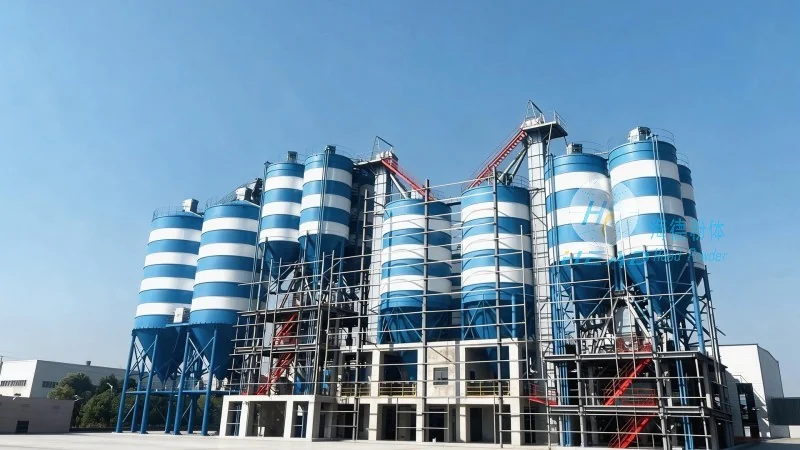
Understanding Glass Fiber Conveying Methods
Glass fiber can be conveyed using several methods, each with its own set of applications and limitations. The primary categories include mechanical conveying, pneumatic conveying, and hybrid systems. Mechanical conveying methods, such as belt conveyors and screw conveyors, are commonly used for bulk materials but may not be suitable for glass fiber due to the risk of abrasion and material degradation. In contrast, pneumatic conveying utilizes air pressure to move materials through a pipeline, offering a more gentle and controlled transport process. Hybrid systems combine mechanical and pneumatic components to optimize performance based on specific operational needs.
Pneumatic Conveying: The Preferred Solution for Glass Fiber
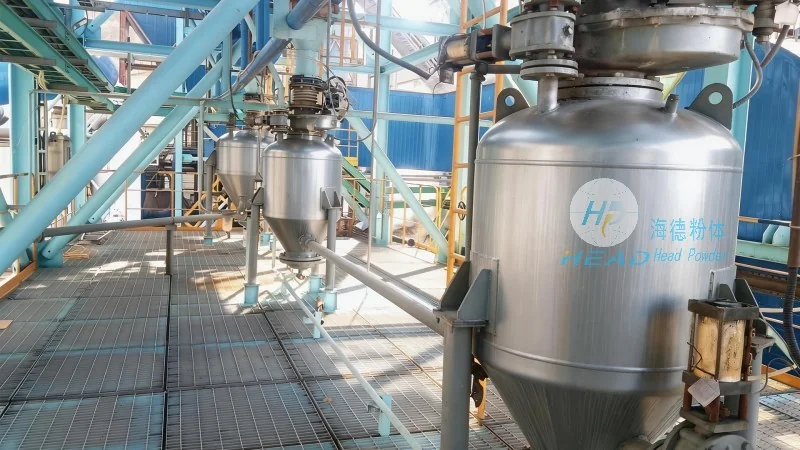
Pneumatic conveying is particularly well-suited for glass fiber due to its ability to handle fine powders and fibers without causing damage or contamination. This method involves transporting the material in a sealed pipeline using compressed air or vacuum, ensuring a clean and dust-free operation. The key advantages of pneumatic conveying for glass fiber include its ability to maintain product integrity, reduce material loss, and minimize the risk of dust exposure for operators. Additionally, pneumatic systems can be designed for both dilute and dense phase conveying, allowing for flexibility in handling different material types and flow rates.
Advantages of Pneumatic Conveying for Glass Fiber
One of the most significant benefits of pneumatic conveying is its gentle handling of glass fiber, which helps preserve the material's quality and reduce the risk of breakage or agglomeration. Unlike mechanical systems that may cause friction and abrasion, pneumatic transport minimizes these issues, ensuring that the fiber maintains its desired properties for end-use applications. Another advantage is the ability to achieve high conveying velocities, which can increase throughput and reduce system size. This efficiency is particularly valuable in industrial settings where space and productivity are critical factors.
Key Features of Pneumatic Conveying Systems
Modern pneumatic conveying systems for glass fiber often incorporate advanced features to enhance performance and reliability. These may include variable speed drives, which allow for precise control of air flow and material velocity, and automatic cleaning mechanisms to prevent clogging and maintain system efficiency. Additionally, many systems are equipped with dust collection and filtration components to ensure compliance with environmental regulations and maintain a safe working environment. The use of high-quality materials, such as stainless steel or corrosion-resistant alloys, further extends the lifespan of the equipment and ensures durability in demanding applications.
Applications of Pneumatic Conveying in Glass Fiber Handling
Pneumatic conveying is widely used in various stages of glass fiber processing, from raw material handling to finished product packaging. In the manufacturing of fiberglass products, such as insulation materials or reinforcement fibers, pneumatic systems are used to transport raw glass fibers from storage silos to processing lines. This ensures a continuous and efficient supply of material, reducing downtime and improving overall production throughput. Similarly, in the automotive and aerospace industries, where glass fiber is used to reinforce composites, pneumatic conveying is employed to transport preforms and finished parts between different production stages, ensuring smooth workflow and consistent quality.
Case Study: Shandong HeadPowder Engineering Co., Ltd.
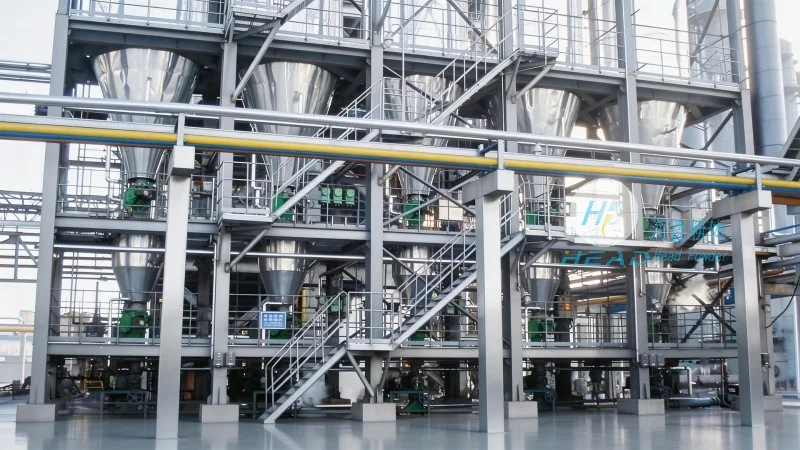
Shandong HeadPowder Engineering Co., Ltd., a leading manufacturer of conveying systems, has extensive experience in designing and implementing pneumatic solutions for glass fiber applications. The company specializes in customizing systems to meet the specific needs of clients, whether it's for high-volume production lines or small-scale processing facilities. By leveraging advanced engineering and material science, HeadPowder has developed systems that offer superior performance, reliability, and cost-effectiveness. For example, one of their recent projects involved the installation of a pneumatic conveying system for a glass fiber insulation manufacturer, which resulted in a 30% increase in production efficiency and a significant reduction in material handling costs. This success demonstrates the effectiveness of their expertise in optimizing glass fiber transport processes.
Conclusion
In conclusion, pneumatic conveying represents a highly effective method for the transportation of glass fiber, offering numerous advantages over traditional mechanical systems. Its ability to maintain product quality, reduce operational risks, and enhance efficiency makes it a preferred choice for many industries. With the expertise of companies like Shandong HeadPowder Engineering Co., Ltd., businesses can benefit from tailored pneumatic conveying solutions that address their specific requirements. As the demand for glass fiber continues to grow, the importance of efficient and reliable conveying methods will only increase, making pneumatic systems a critical component of modern manufacturing processes.




