Fluorspar powder, a critical industrial mineral, is widely used in various sectors including metallurgy, glass manufacturing, and chemical production. The efficient and reliable transportation of fluorspar powder from one processing stage to another is essential for maintaining production efficiency and product quality. Among the various conveying methods available, pneumatic conveying stands out as a preferred choice for granular fluorspar powder due to its unique advantages and operational characteristics. This article provides an overview of the different granular fluorspar powder conveying methods and focuses on the key advantages and features of pneumatic conveying systems, with insights from Shandong HeadPowder Engineering Co., Ltd., a leading provider of specialized conveying solutions.
Introduction to Fluorspar Powder Granular Conveying
Granular fluorspar powder, characterized by its fine particle size and abrasive nature, requires specialized conveying solutions to ensure minimal material loss, prevent equipment wear, and maintain consistent flow rates. Traditional conveying methods such as belt conveyors and screw conveyors may struggle with the handling of fine powders, often leading to issues like caking, blockages, and increased maintenance costs. In contrast, pneumatic conveying offers a more flexible and efficient approach to transporting fluorspar powder over short to medium distances, making it suitable for various industrial applications.
Types of Granular Fluorspar Powder Conveying Methods
Several conveying methods are commonly employed for fluorspar powder, each with its own set of advantages and limitations. The primary methods include:
Belt Conveyors
Belt conveyors are widely used in bulk material handling for their ability to transport large quantities of granular materials over long distances. However, when it comes to fine fluorspar powder, belt conveyors may face challenges such as material buildup on the belt surface, which can lead to uneven flow and increased friction. Additionally, the abrasive nature of fluorspar powder can cause premature wear on the conveyor belt and idlers, necessitating frequent maintenance and replacement.
Screw Conveyors
Screw conveyors, also known as auger conveyors, use a rotating screw to move materials along a trough. While effective for handling bulk materials, screw conveyors are less suitable for fine powders like fluorspar due to the risk of clogging and material degradation. The high shear forces within the screw can cause particle breakage, affecting the quality of the final product. Moreover, screw conveyors require regular cleaning to prevent material accumulation and may not be efficient for long-distance transport.
Pneumatic Conveying Systems
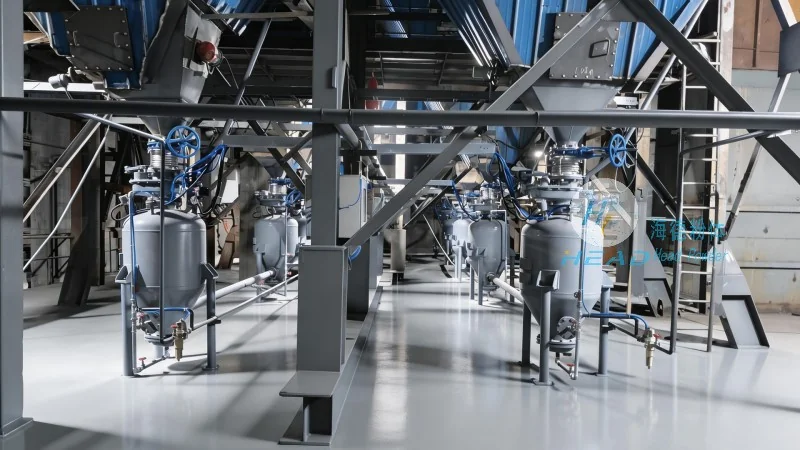
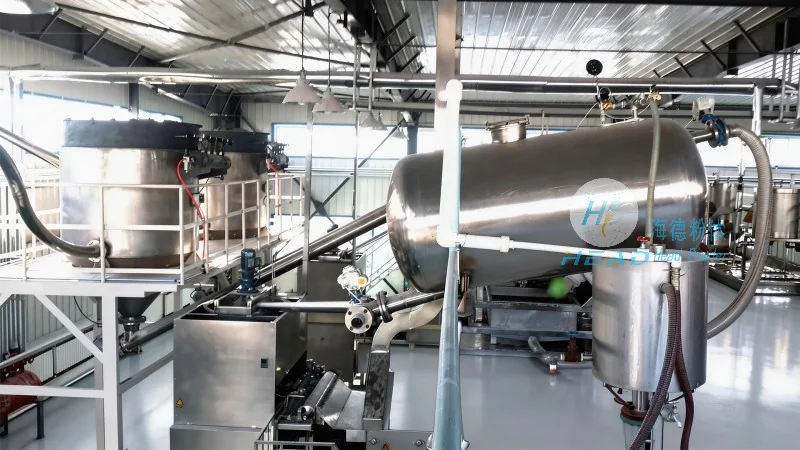
Pneumatic conveying systems utilize air or other gases to transport materials through a pipeline. This method is particularly effective for granular fluorspar powder as it minimizes direct contact between the material and equipment, reducing wear and tear. Pneumatic conveying can be categorized into two main types: pressure and vacuum systems. Pressure systems use compressed air to push the material through the pipeline, while vacuum systems use suction to draw the material into the line.
Advantages of Pneumatic Conveying for Fluorspar Powder
Pneumatic conveying offers several distinct advantages over traditional methods, making it the preferred choice for many industries dealing with fluorspar powder. The key benefits include:
Reduced Material Loss and Contamination
Unlike belt or screw conveyors, pneumatic systems operate in a closed pipeline, preventing material loss and contamination from external sources. This is crucial for maintaining the purity of fluorspar powder, which is often used in high-purity applications such as glass manufacturing and metallurgical processes. The enclosed system also minimizes exposure to dust, reducing the risk of occupational health hazards and environmental pollution.
Efficient Handling of Fine Particles
Granular fluorspar powder often consists of fine particles that are prone to clogging and blockages in traditional conveyors. Pneumatic conveying systems are designed to handle fine powders effectively, with the air flow ensuring consistent particle movement and preventing clogging. The system's ability to maintain a uniform flow rate helps in achieving stable production processes and reducing downtime due to material blockages.
Lower Maintenance Costs
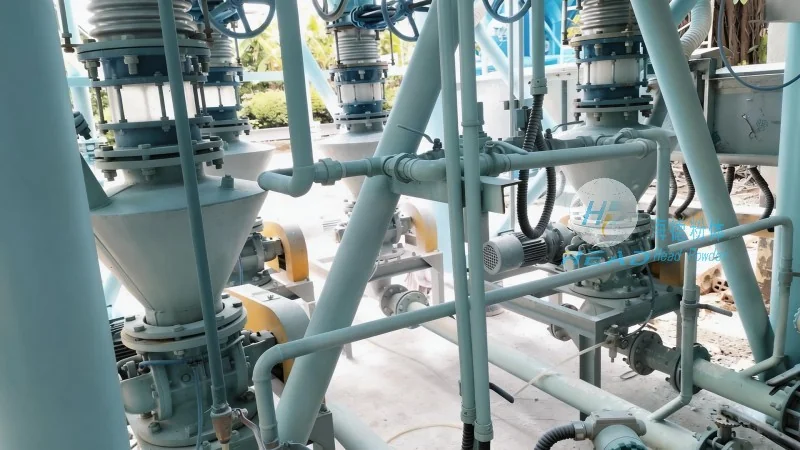
The abrasive nature of fluorspar powder can lead to significant wear on conveyor components in traditional systems. Pneumatic conveying systems, however, minimize direct contact between the material and equipment, reducing the frequency of maintenance and replacement of parts. The closed pipeline design also reduces the need for regular cleaning and maintenance, leading to lower operational costs over the long term.
Flexibility and Scalability
Pneumatic conveying systems are highly flexible and can be easily adapted to different production requirements. They can transport fluorspar powder over varying distances, from short in-plant transfers to long-distance transport between facilities. The system can also be integrated with other processing equipment, allowing for seamless material flow and increased operational efficiency. Additionally, pneumatic systems can be scaled up or down to accommodate changes in production volume, making them suitable for both small-scale and large-scale operations.
Key Features of Pneumatic Conveying Systems for Fluorspar Powder
Beyond the advantages mentioned above, pneumatic conveying systems for fluorspar powder come with several key features that enhance their performance and reliability. These features include:
High-Pressure Compressors
Pressure pneumatic conveying systems utilize high-pressure compressors to generate the necessary air pressure for material transport. These compressors are designed to handle the abrasive nature of fluorspar powder, ensuring consistent performance and longevity. The high-pressure air flow provides sufficient force to move the material through the pipeline, even over long distances, without causing excessive wear on the system components.
Vacuum Pumps and Suction Systems
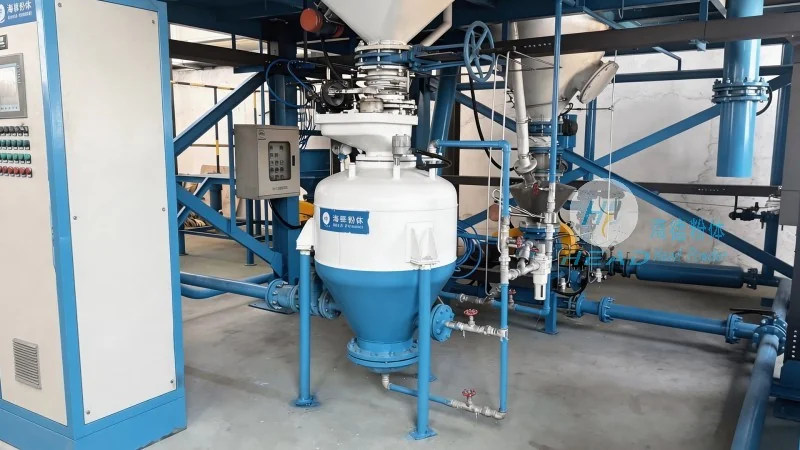
Vacuum pneumatic conveying systems use vacuum pumps to create a negative pressure environment, drawing fluorspar powder into the pipeline. This method is particularly useful for transferring materials from multiple sources or for handling materials that are difficult to push through the pipeline. The suction system allows for gentle material handling, reducing the risk of particle breakage and maintaining the integrity of the powder.
Specialized Pipeline Materials
Due to the abrasive nature of fluorspar powder, pneumatic conveying systems use specialized pipeline materials such as stainless steel or high-grade plastic to minimize wear and corrosion. These materials are resistant to the chemical and physical properties of fluorspar, ensuring the longevity of the system and reducing maintenance requirements. The use of smooth, non-stick surfaces in the pipeline also helps in preventing material buildup and clogging.
Control Systems and Monitoring
Modern pneumatic conveying systems are equipped with advanced control systems and monitoring devices that allow for real-time tracking of material flow, pressure, and temperature. These systems help in optimizing the conveying process, detecting potential issues early, and ensuring consistent performance. The control systems can be integrated with other production equipment, enabling automated material handling and reducing the need for manual intervention.
Conclusion
Granular fluorspar powder conveying is a critical aspect of industrial operations, and the choice of conveying method significantly impacts production efficiency and product quality. While traditional methods like belt and screw conveyors have their applications, pneumatic conveying systems offer superior performance and reliability for handling fine and abrasive materials like fluorspar powder. The advantages of reduced material loss, efficient handling of fine particles, lower maintenance costs, and flexibility make pneumatic conveying the preferred choice for many industries. With advancements in technology, modern pneumatic conveying systems are designed to meet the specific needs of fluorspar powder handling, ensuring optimal performance and long-term operational efficiency.




