When it comes to managing river sand in industrial applications, selecting the appropriate pneumatic conveying system is crucial for ensuring efficiency, reliability, and cost-effectiveness. River sand, with its unique characteristics such as particle size, moisture content, and abrasive properties, requires specialized equipment to handle safely and effectively. This guide will walk you through the key considerations and factors to evaluate when choosing a pneumatic conveying system tailored to your river sand handling needs.
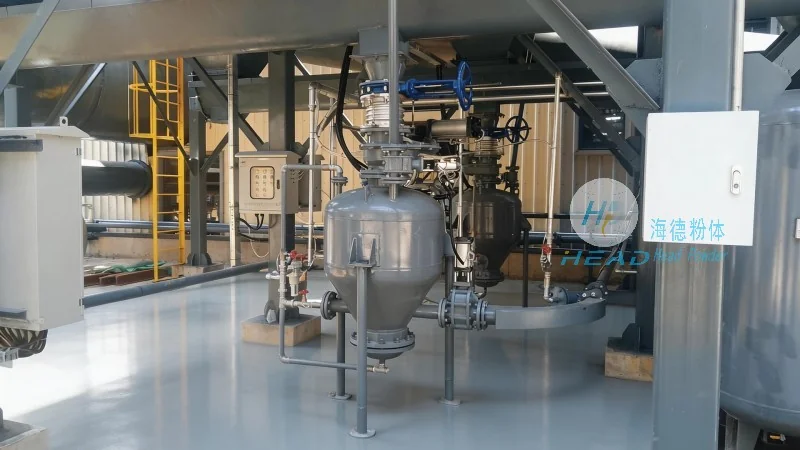
Understanding the Core Requirements of River Sand Handling
Before diving into system selection, it's essential to understand the specific demands of your river sand processing operation. Factors like the volume of sand to be transported, the distance between the source and destination, and the desired throughput rate will heavily influence your choice. For instance, if you need to move large quantities of sand over long distances, a high-capacity system with robust components may be necessary. Conversely, shorter distances or lower volumes might allow for more compact and cost-effective solutions. Additionally, the physical properties of the sand, including particle size distribution, moisture level, and abrasiveness, play a critical role in determining the type of conveying technology that will perform best. Abrasive materials like river sand can quickly wear down standard equipment, so selecting systems with wear-resistant materials or specialized components is vital to extend service life and reduce maintenance costs.
Evaluating Pneumatic Conveying System Types for River Sand
There are primarily two types of pneumatic conveying systems: positive pressure and negative pressure. Each has distinct advantages and is better suited for different scenarios. Positive pressure systems, which blow air into the system to move material, are often preferred for handling abrasive materials like river sand because they can maintain consistent air pressure and prevent material buildup in the pipeline. These systems typically use high-pressure blowers and are suitable for long-distance or high-volume applications. On the other hand, negative pressure systems, which draw material into the system using a vacuum, are more common for shorter distances or when the material is less abrasive. They are generally more energy-efficient for shorter runs but may require more maintenance due to the higher air velocity and potential for dust accumulation.
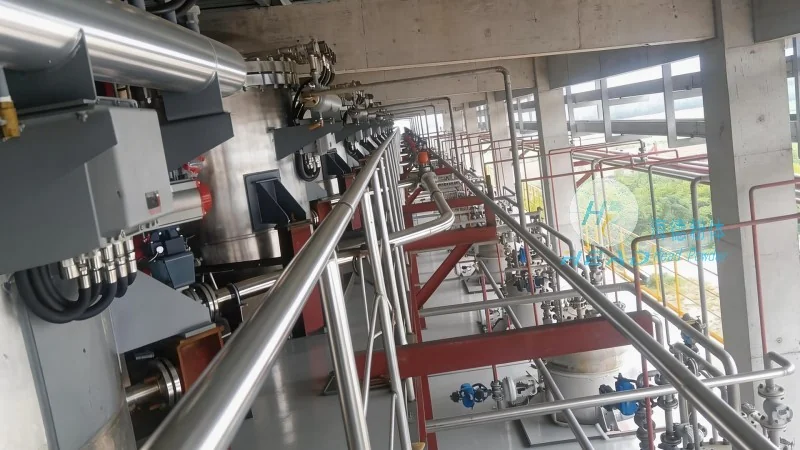
Key Technical Specifications to Consider
When evaluating pneumatic conveying systems for river sand, several technical specifications should be carefully reviewed. The system's capacity, measured in cubic meters per hour or tons per hour, must align with your production requirements. The pressure rating of the system, whether positive or negative, is another critical factor. For abrasive materials, higher pressure systems may be necessary to maintain flow and prevent blockages. The pipeline design, including the diameter and material of the pipes, also impacts performance. Larger diameter pipes reduce friction losses and are better for high-volume transport, while smaller diameters are more suitable for shorter distances or lower volumes. Additionally, the type of air separation and material discharge equipment is important. Proper separation of air and sand ensures efficient material handling and prevents contamination or loss of product. Systems with efficient cyclones or filters can effectively separate the material from the air stream, improving overall system performance.
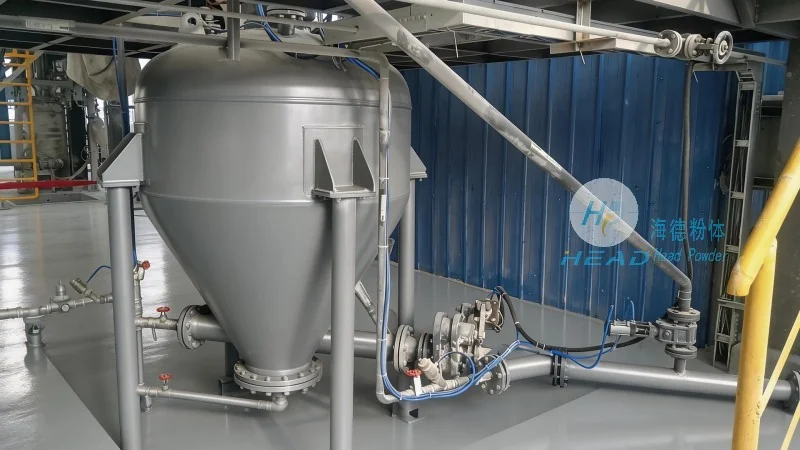
Material Handling and Wear Resistance Considerations
River sand is known for its abrasive nature, which can cause significant wear on conveying components. Therefore, selecting systems with wear-resistant materials is essential for long-term reliability. Components such as pipelines, elbows, and check valves should be made from materials like stainless steel, hardened steel, or specialized alloys that can withstand the abrasive action of the sand. Some systems may also incorporate replaceable wear parts, allowing for easy maintenance and reduced downtime. The design of the system, including the angle of the pipeline and the use of smooth surfaces, can also minimize wear and improve flow. For example, using straight pipelines with minimal bends can reduce friction and prevent material buildup, which can lead to wear and blockages. Additionally, the choice of air filtration and dust collection systems is important to protect equipment and maintain a clean working environment. Proper filtration can prevent abrasive particles from damaging the blower and other components, extending their service life.
System Integration and Maintenance Requirements
Integrating a pneumatic conveying system into your existing river sand handling process requires careful planning to ensure smooth operation and minimal disruption. The system should be designed to work in harmony with other equipment, such as crushers, screens, or storage silos, to create an efficient material flow. Proper alignment and coordination of the system with upstream and downstream processes are crucial for optimal performance. Maintenance requirements are another important consideration. Pneumatic conveying systems, especially those handling abrasive materials, require regular maintenance to prevent breakdowns and ensure consistent performance. This includes checking for wear on components, cleaning filters, and inspecting for leaks or blockages. Regular maintenance schedules and access to spare parts are essential for minimizing downtime and maximizing system uptime. Additionally, the system's ease of maintenance should be considered. Systems with accessible components and clear maintenance procedures are more user-friendly and can reduce the time and cost associated with upkeep.




