HeadPowder, a leading provider in the field of material handling technology, specializes in the development and implementation of advanced airborne conveying systems for textile fibers. With a strong presence in Shandong, China, the company has established itself as a trusted partner for industries seeking reliable and sustainable solutions for transporting fine materials. This article explores the benefits, applications, and technical aspects of textile fiber air conveying, highlighting how such systems enhance operational efficiency while minimizing environmental impact.
Understanding Airborne Conveying for Textile Fibers
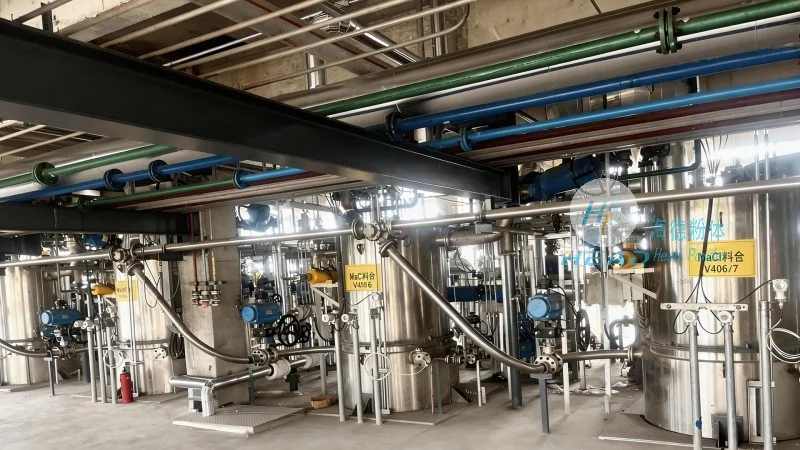
Textile fiber airborne conveying, also known as pneumatic conveying, is a method of transporting bulk materials, including various types of fibers like cotton, polyester, and synthetic fibers, using air as the primary medium. Unlike traditional mechanical systems, which often involve complex machinery and high maintenance costs, air conveying offers a streamlined approach to material movement. The process typically involves a series of components, including a hopper for material storage, a conveyor line with appropriate ductwork, and a receiver for the delivered material. By utilizing compressed air to move fibers through the system, this technology eliminates the need for moving parts that come into direct contact with the material, reducing wear and tear and extending the lifespan of the equipment.
The Advantages of Air Conveying Systems
For textile processing industries, the adoption of air conveying systems brings numerous advantages that directly impact operational performance and sustainability. One of the most significant benefits is the enhanced efficiency in material handling. Air conveying allows for continuous, high-volume transport of fibers, enabling manufacturers to maintain consistent production rates without interruptions. This is particularly crucial in textile mills where timely delivery of raw materials to processing units is essential for meeting production schedules. Additionally, the system's ability to handle fine and delicate fibers without causing damage or degradation is a key advantage. Unlike mechanical conveyors that may crush or break fibers, air conveying uses gentle air currents to move materials, preserving the quality and integrity of the fibers throughout the process.
Environmental Benefits and Sustainability
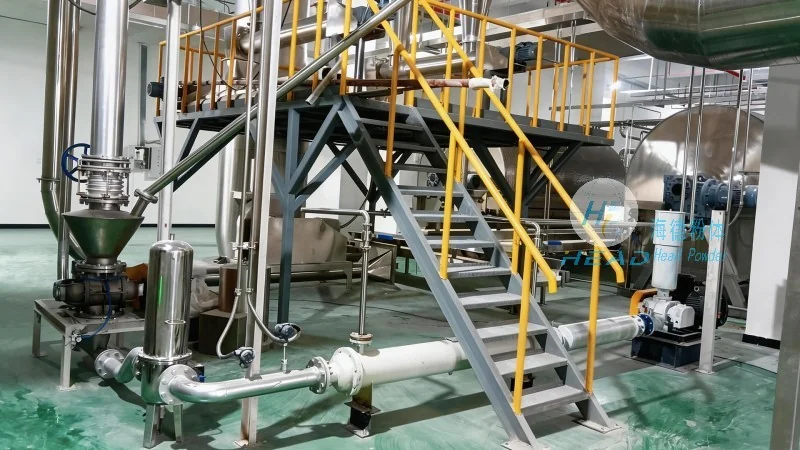
In today's industrial landscape, environmental considerations are paramount, and textile fiber air conveying systems offer substantial environmental benefits. Traditional material handling methods, such as belt conveyors or bucket elevators, often generate dust and require frequent cleaning, leading to increased operational costs and potential health hazards for workers. Air conveying, on the other hand, minimizes dust generation by enclosing the material transport process within a sealed system. This not only reduces the risk of respiratory issues among employees but also lowers the need for extensive cleaning and maintenance, contributing to a cleaner and safer workplace. Furthermore, the energy efficiency of air conveying systems is another environmental advantage. By optimizing air flow and pressure, these systems consume less energy compared to traditional mechanical systems, resulting in lower operational costs and reduced carbon emissions. This makes air conveying an environmentally friendly choice for industries committed to sustainable practices.
Technical Considerations and System Design
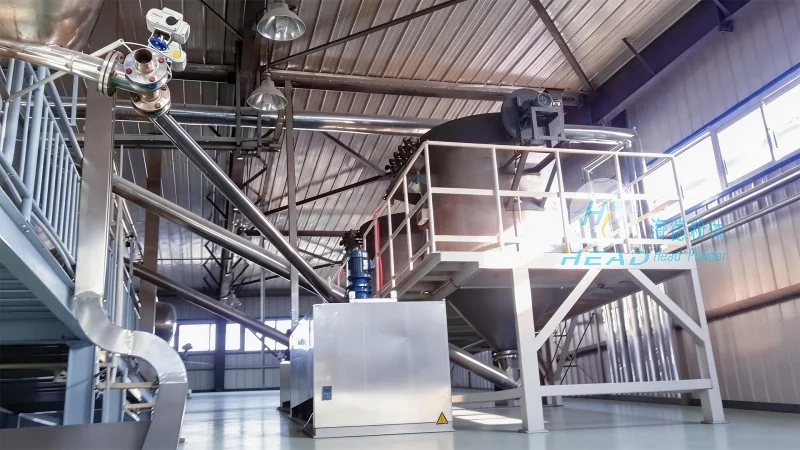
The successful implementation of textile fiber air conveying systems requires careful consideration of several technical factors. The design of the system must take into account the characteristics of the specific fibers being transported, such as their size, density, and moisture content. For example, fine fibers like cotton may require a different air velocity and duct design compared to coarse synthetic fibers. The choice of materials for the ductwork and components is also critical, as they must withstand the abrasive nature of textile fibers and resist corrosion from moisture or chemicals. HeadPowder, with its expertise in engineering, provides customized solutions tailored to the unique needs of each client. The company's engineers work closely with clients to assess their material handling requirements, select the appropriate conveying method, and design a system that maximizes efficiency and minimizes downtime. This includes selecting the right type of air compressor, determining the optimal air pressure and flow rates, and ensuring the system's components are compatible with the specific fibers being processed.
Applications in Textile Manufacturing
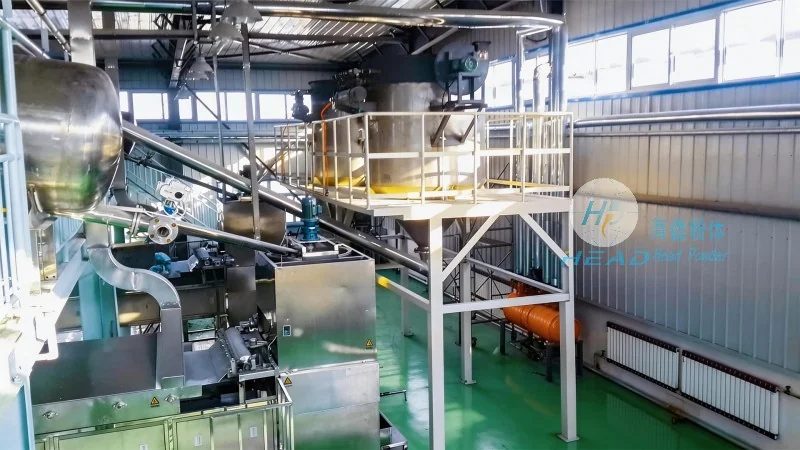
Textile fiber air conveying systems find wide applications across various stages of textile manufacturing. In raw material handling, these systems are used to transport fibers from storage silos or bags to the processing units, ensuring a continuous supply of raw materials. During the manufacturing process, air conveying can be employed to move fibers between different processing stages, such as from carding to spinning or from spinning to weaving. In finishing operations, air conveying systems are utilized to transport finished fabrics or yarns, facilitating the movement of products from the production line to storage or packaging areas. The versatility of air conveying makes it suitable for both large-scale industrial operations and smaller textile mills, providing a flexible solution that can adapt to changing production needs.
Conclusion
HeadPowder Engineering Co., Ltd., based in Shandong, China, offers advanced textile fiber air conveying solutions that combine efficiency, reliability, and environmental sustainability. By leveraging pneumatic conveying technology, the company helps textile manufacturers streamline their material handling processes, reduce operational costs, and enhance product quality. The benefits of air conveying, including reduced dust, lower energy consumption, and minimal material damage, make it an ideal choice for industries committed to modern, sustainable production practices. As the demand for efficient and eco-friendly material handling solutions continues to grow, HeadPowder remains at the forefront of innovation, providing tailored systems that meet the evolving needs of the textile industry.




