When it comes to managing rice husk handling in industrial processes, selecting the appropriate pneumatic conveying system is crucial for efficiency, cost-effectiveness, and operational reliability. Rice husk, a byproduct of rice milling, is often used as a fuel source or in the production of biochar and other value-added products. However, its light weight, high dust content, and tendency to create static electricity can pose challenges when transporting it over long distances or through complex layouts. A well-designed pneumatic conveying system not only addresses these challenges but also enhances overall process flow and reduces maintenance costs.
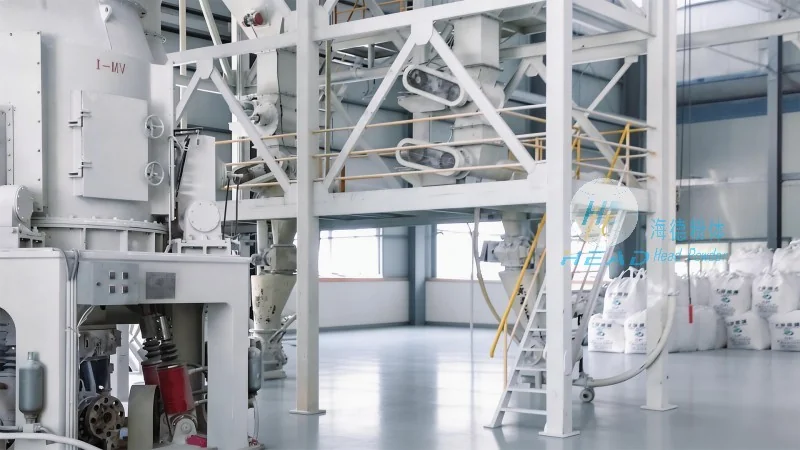
Key Factors to Consider When Selecting a Pneumatic Conveying System for Rice Husk
Choosing the right pneumatic conveying system for rice husk handling requires a thorough evaluation of several key factors. The first consideration is the specific characteristics of the rice husk itself. Rice husk is typically lightweight, with a high bulk density and a tendency to generate static electricity. These properties affect the choice of system type, as certain designs are better suited to handle fine, dusty materials. For example, systems that use positive pressure or a combination of positive and negative pressure can effectively manage the dust and static issues associated with rice husk.
Another critical factor is the distance and layout of the conveying route. Whether the rice husk needs to be transported over short distances within a mill or over long distances to a storage facility or processing plant, the system must be capable of maintaining sufficient pressure and flow to ensure consistent material transfer. The complexity of the conveying path, including vertical lifts, horizontal runs, and changes in direction, also influences the system design. Systems with adjustable speed controls and variable pressure capabilities are often preferred for handling varying loads and distances.
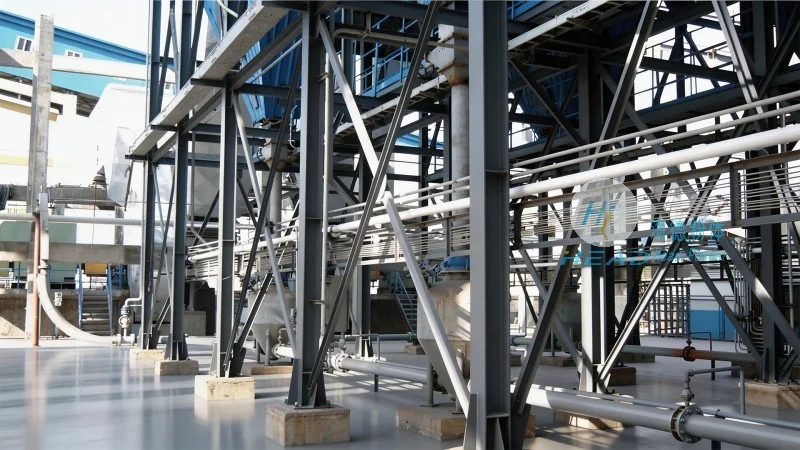
Types of Pneumatic Conveying Systems for Rice Husk
There are several types of pneumatic conveying systems available, each with its own advantages and applications. The most common types for rice husk handling include positive pressure systems, negative pressure (or vacuum) systems, and hybrid systems that combine both approaches. Positive pressure systems use a blower or compressor to push air and material through the pipeline, making them suitable for long-distance, high-volume conveying. They are generally more effective at handling fine, dusty materials and can maintain consistent flow rates over extended distances.
Negative pressure systems, on the other hand, use a vacuum to draw material into the system from the source. These systems are often used for shorter distances or when the material needs to be collected from multiple points. They are less likely to generate dust and are better suited for handling materials that are prone to creating static electricity. Hybrid systems, which use both positive and negative pressure, offer flexibility in handling different conveying scenarios, such as moving material from a central source to multiple destinations or combining material from different sources.
Design Considerations for Efficient Rice Husk Conveying
Regardless of the system type chosen, several design considerations are essential for efficient rice husk conveying. First, the material handling capacity of the system must match the production rate of the rice husk. Overloading the system can lead to reduced efficiency, increased wear and tear on components, and potential blockages. Proper sizing of the pipeline diameter, air velocity, and blower or vacuum pump capacity is critical to ensure smooth material flow.
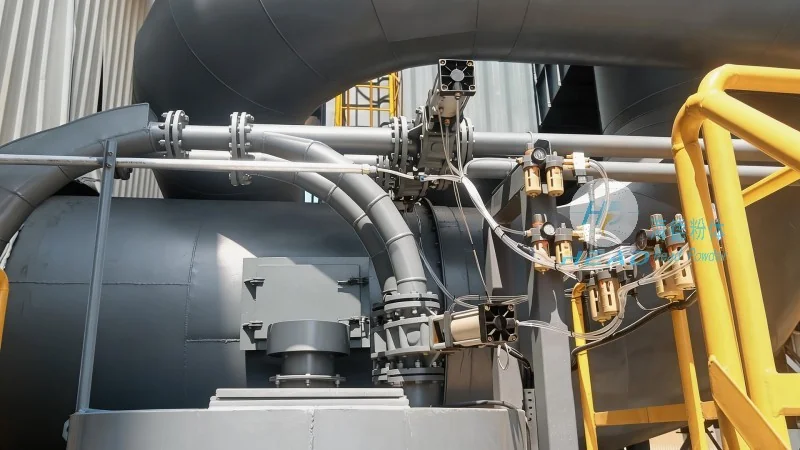
Second, the system must be equipped with appropriate filtration and dust control measures. Rice husk is a fine, dusty material that can easily become airborne during conveying. Installing high-efficiency particulate air (HEPA) filters or cyclone separators in the system can help capture dust and prevent it from escaping into the environment or contaminating other parts of the process. This not only improves air quality but also reduces the risk of fire or explosion, as rice husk is a combustible material.
Third, the system should include features to manage static electricity. Rice husk is prone to generating static charges, which can lead to material buildup on pipes and equipment, causing blockages or even electrical hazards. Installing grounding electrodes or using anti-static additives in the conveying system can help dissipate static charges and prevent these issues.
HeadPowder: Your Partner in Rice Husk Pneumatic Conveying Solutions
For businesses seeking reliable and efficient pneumatic conveying systems for rice husk handling, Shandong HeadPowder Engineering Co., Ltd. offers comprehensive solutions tailored to specific operational needs. With years of experience in the engineering and manufacturing of material handling systems, HeadPowder understands the unique challenges of rice husk processing and provides customized designs that optimize performance and minimize downtime.
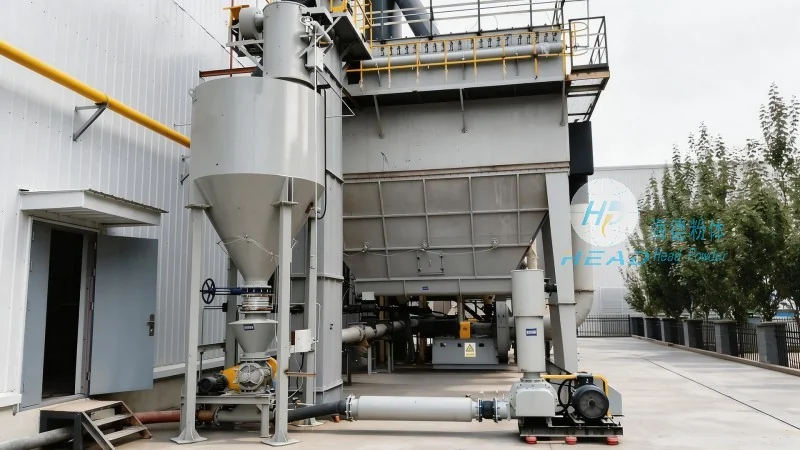
HeadPowder’s team of experts works closely with clients to assess their specific requirements, including the volume of rice husk to be conveyed, the distance and layout of the conveying route, and any environmental or safety regulations that must be adhered to. Based on this assessment, they design and install systems that incorporate the latest technology and best practices in pneumatic conveying. Their systems are built with high-quality components, ensuring durability and long-term reliability, and are backed by comprehensive maintenance and support services.
HeadPowder’s commitment to quality and customer satisfaction is reflected in their products and services. By choosing HeadPowder as a partner, rice husk processing facilities can enhance their operational efficiency, reduce costs, and ensure compliance with environmental and safety standards. The company’s focus on innovation and customer-centric solutions makes it an ideal choice for businesses looking to improve their rice husk handling processes.




